Best Selling Products
Upgrade genuine Capture One account
120 USD

Freepik Premium Account
59 USD
Copyright Adobe Lightroom Account
59 USD

ChatGPT Plus Account (GPT-4)
16 USD
MidJourney Account
29 USD
Adobe Premiere Pro Account
99 USD
Upgrade Genuine Office 365
49 USD
Adobe Photoshop Copyright - Full App
120 USD
Upgrade Duolingo Super
29 USD
Windows 10 & 11 Pro Key
36 USD
Capcut Pro 1 Year
39 USD
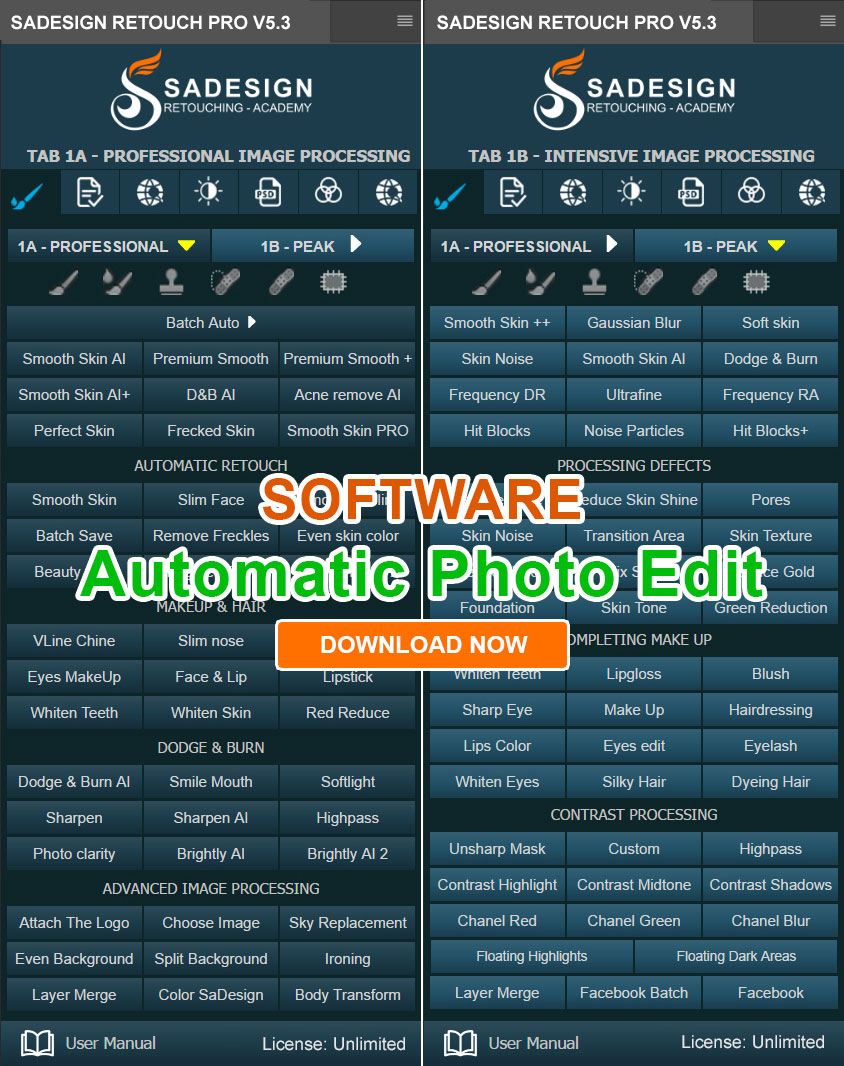
Plugin Retouch4me
69 USD
Autodesk All App Account Copyright
120 USD
Genuine Cheap Canva Pro
39 USD
Genuine Adobe Illustrator account
99 USD
Gemini 3 Pro and Nano Banana Pro tighten access for free users.
Nội dung
Google limits the number of command submissions and image creations on the Gemini 3 Pro and Nano Banana Pro, forcing free users to think carefully before each action and encouraging them to upgrade to a paid plan.
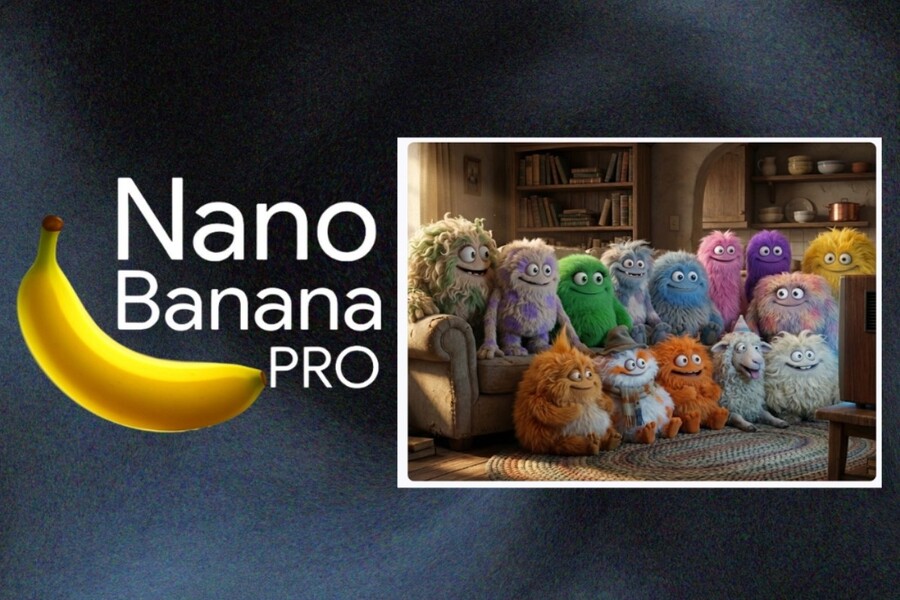
The arrival of Gemini 3 Pro has caused a stir among the tech community and AI enthusiasts. Contrary to initial expectations of experiencing a new AI model with superior creative capabilities, Google has limited the number of commands that free users can submit per day. Initially, this limit was set at 5 commands/day, but the latest announcement on the support page emphasizes that free users only have basic access. This information has left many feeling disappointed, as it means that the practical experience will be significantly limited, especially during peak hours.
The "basic" access level that Google refers to is actually a flexible limiting mechanism, dependent on server load. In other words, the number of commands a free user can submit per day will fluctuate according to traffic, rather than being fixed at a single number. This makes using Gemini 3 Pro more inconvenient, especially for those who want to continuously leverage its creative capabilities or process data.
1. Google tightens restrictions on free Gemini 3 Pro users with strict limits.
According to the latest announcement, basic access means that during peak hours, users can only submit a mere 3 text commands before being restricted. The image creation feature of the Nano Banana Pro model is similarly affected, reduced from 3 images/day to just 2 images/day. This is clearly a move to regulate server load, but it is also a way for Google to encourage users to switch to paid plans.
The question is, what happens when the user runs out of these 3 interactions? In reality, the user won't be completely blocked, but the system will automatically switch to using an older model, specifically Gemini 2.5 Flash. This is an older AI model that can handle common text tasks well, but in terms of creativity, detail capabilities, and image creation efficiency, it cannot compare to Gemini 3 Pro.
The Flash version still allows users to complete basic tasks such as writing emails, summarizing content, or processing simple data. However, advanced features in NotebookLLM, such as creating infographics, preparing presentation slides, or other advanced creative tasks, have been removed from free accounts due to overwhelming traffic. This leaves many free users feeling limited and forcing them to consider upgrading if they want to fully utilize the capabilities of next-generation AI.
Analysts believe this move is an attempt to encourage users to subscribe to expensive paid plans.
It's easy to see that these limitations are a strategic move by Google to encourage users to subscribe to paid plans. Currently, Google offers two main upgrade packages. The Gemini AI Pro package costs 489,000 VND/month, allowing users to send 100 commands and create 100 images per day. This is a reasonable price for small businesses or individuals who frequently use AI in their creative work.
However, the Gemini AI Ultra package costs up to 6 million VND/month, allowing users to send 500 commands and generate up to 1,000 images per day. This price is a significant barrier for the average user. Looking at these figures, it's easy to see that Google is targeting businesses or individuals with advanced AI needs, while free users or individual users will need to be more flexible in how they utilize Gemini 3 Pro.
Faced with Google's tightening regulations, the advice for users is to adopt a staggered usage approach.
In the context of increasingly stringent access restrictions, upgrading to paid plans isn't the only option. Users can still get the most out of AI technology by alternating between models and tools. For example, for tasks that don't require large-scale image creation or complex data processing, free users can leverage Gemini 2.5 Flash for summarizing, writing basic emails, or handling routine data.
In addition, ChatGPT remains an effective alternative. Once the 3 queries on Gemini 3 Pro are used up, users can switch to ChatGPT with the GPT-40 model. Although free, ChatGPT provides approximately 15 responses per day with comparable, or even slightly better, quality in some tasks compared to the basic version of Gemini 3 Pro. Alternating between these tools is a smart way to enjoy modern AI technology without monthly fees.
2. Detailed analysis of the impact of 'throttling' features.
Google's action of limiting access has several notable impacts. First, for individual users, restricting the number of commands and images they can send will disrupt the AI experience, especially when continuous creative tasks are required. Users will have to carefully select the most important commands to send, leading to reduced work efficiency and a limited creative experience.
For small businesses or startups, this presents a cost dilemma. Some organizations will have to weigh the trade-off between subscribing to a paid plan to ensure workflow continuity and leveraging free tools with limitations. In a fiercely competitive environment, effective AI utilization can create a competitive advantage, making strategic tooling a crucial factor.
Furthermore, this move also impacts how Google positions its brand. The simultaneous feature limitations on the Gemini 3 Pro and Nano Banana Pro demonstrate that Google is prioritizing paying users while encouraging upgrades to unlock the full potential of AI. This is a common strategy in the tech industry, but it also creates a clear stratification of user experience between free and paid users.

3. Optimal strategy for free users
To overcome these limitations, users can adopt a strategy of alternating use and making the most of the remaining features. First, Gemini 2.5 Flash can still meet basic needs such as summarizing text, replying to emails, and simple data analysis. This is an effective choice for everyday tasks that don't require a high level of creativity.
Secondly, combining ChatGPT expands the number of free commands users can send per day. ChatGPT, with its GPT-40 model, provides a powerful AI experience and is a reliable alternative when Gemini 3 Pro reaches its access limit. By combining these two tools, users can still harness the potential of AI without monthly fees.
Third, take advantage of data storage and backup features. When sending commands or creating images, users should save the results to avoid having to resubmit them multiple times, thus saving daily access attempts. Additionally, storage helps users build a personal data library for future tasks.
Finally, plan your AI usage during off-peak hours. Because flexible access limits depend on server load, sending commands during off-peak hours will help free users take full advantage of traffic without interruption.

The move to limit features on the Gemini 3 Pro and Nano Banana Pro also reflects Google's long-term business strategy in the AI field. While competitors like OpenAI, Anthropic, and Microsoft are constantly upgrading their AI models and expanding free access, tightening basic access while encouraging users to upgrade to paid plans is Google's way of optimizing revenue from high-end AI products.
On the other hand, this strategy also creates a clear distinction between individual users and businesses. Individual users can still experience AI technology but with certain limitations, while businesses willing to pay will enjoy the full creative capabilities and powerful processing performance of Gemini 3 Pro and Nano Banana Pro. This is a common business model in the technology industry, aiming to balance a free experience with maximizing revenue from premium services.
The simultaneous feature throttling on the Gemini 3 Pro and Nano Banana Pro is a strategic move by Google to balance system load and encourage users to upgrade to paid plans. Although the limitations on access and image creation restrict the free experience, users can still effectively utilize AI technology through a strategy of alternating between models and tools.










VIP Products
Best Selling Products
Upgrade genuine Capture One account
120 USD
Freepik Premium Account
59 USD
Copyright Adobe Lightroom Account
59 USD
ChatGPT Plus Account (GPT-4)
16 USD
MidJourney Account
29 USD
Adobe Premiere Pro Account
99 USD
Upgrade Genuine Office 365
49 USD
Adobe Photoshop Copyright - Full App
120 USD
Upgrade Duolingo Super
29 USD
Windows 10 & 11 Pro Key
36 USD
Capcut Pro 1 Year
39 USD
Plugin Retouch4me
69 USD
Autodesk All App Account Copyright
120 USD
Genuine Cheap Canva Pro
39 USD
Genuine Adobe Illustrator account
99 USD