
Best Selling Products

Windows 10 & 11 Pro Key
36 USD

Copyright Adobe Lightroom Account
59 USD
Adobe Photoshop Copyright - Full App
120 USD

Autodesk All App Account Copyright
120 USD

Freepik Premium Account
59 USD

Upgrade Genuine Office 365
49 USD

ChatGPT Plus Account (GPT-4)
16 USD
Genuine Cheap Canva Pro
39 USD

MidJourney Account
29 USD

Plugin Retouch4me
69 USD

Upgrade genuine Capture One account
120 USD
Upgrade Duolingo Super
29 USD

Adobe Premiere Pro Account
99 USD

Capcut Pro 1 Year
39 USD

Genuine Adobe Illustrator account
99 USD
Gen Z is "abandoning" Google: What''''s going on?
Nội dung
- 1. Gen Z is changing the way they search for information.
- 2. Searching is no longer just about reading information.
- 3. Short videos are suitable for people's habits of consuming new content.
- 4. Gen Z trusts real-life experiences more than advertisements.
- 5. The power of community is surpassing search algorithms.
- 6. Personalization makes social media more appealing.
- 7. Search today is closely linked to entertainment.
For many years, Google was considered the indispensable search engine on the internet. However, Gen Z is gradually changing its habits, prioritizing TikTok, Instagram, and Reddit for discovering places to eat, travel, shop, and find information.

1. Gen Z is changing the way they search for information.
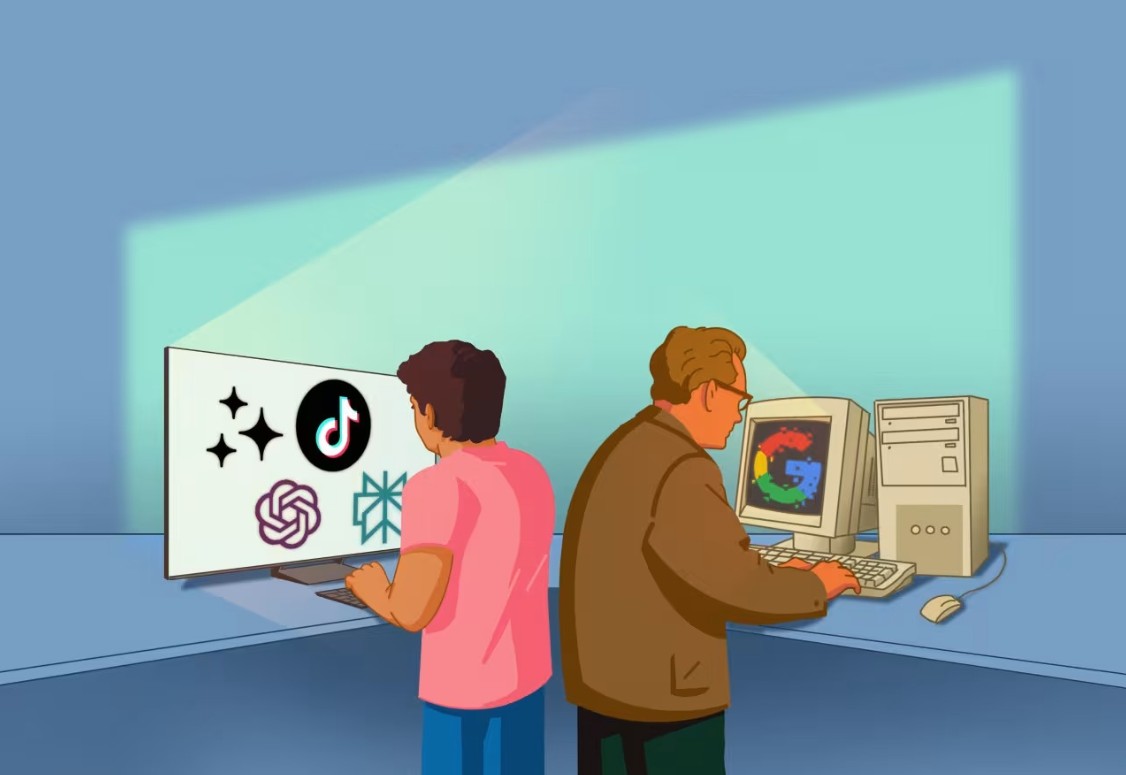
Each generation has a different approach to technology. While Millennials grew up with the development of traditional search engines, Gen Z matured in the era of the social media boom.
For Gen Z, the internet is not just a place to find information, but also an environment for interaction, experiences, and connection with the community. This has led to a change in how they consume content. Instead of reading long articles or search engine optimized websites, they often prefer watching videos, viewing images, or content shared directly from other users.
A study by Adobe Express found that approximately 49% of survey participants use TikTok as a search tool. Even more notably, 25% of Gen Z consider TikTok one of their most effective search options. Additionally, 38% of this generation regularly use Reddit to search for information and seek opinions from the community.
These figures show that Gen Z no longer views Google as their only option when they need answers to questions. They are expanding their search to platforms that offer more interactive and immersive experiences.
2. Searching is no longer just about reading information.
For many years, Google's operating model was based on providing a list of links related to keywords entered by users. Users would then click on different websites to find the answer.
This model remains highly effective for many types of queries, such as specialized knowledge, academic research, or technical information. However, as the demand for searches related to real-world experiences increases, younger users are looking for more than just a list of links.
For example, when searching for a beautiful cafe to take photos at, Gen Z doesn't just want to know the address or opening hours. They want to see the actual space, the layout, the number of customers, the drinks served, and the experiences of people who have been there before.
A 30-second video on TikTok can sometimes provide more useful information than dozens of traditional search results. By simply watching the video, users can get a sense of the entire experience instead of having to read numerous different reviews.
Therefore, the concept of "searching" is expanding for Gen Z. They are not only looking for answers but also for experiences, emotions, and perspectives from real people.
3. Short videos are suitable for people's habits of consuming new content.
One of the key reasons TikTok has become a popular search engine is the rapid growth of the short video format.
Gen Z grew up with smartphones and social media. They tend to consume information quickly, visually, and through multimedia. In this environment, video becomes a far more effective form of content delivery than text.
According to research, 26% of users are attracted to TikTok because of its short video format. This is perfectly understandable, as videos help convey a large amount of information in a short time, while stimulating both visual and auditory senses.
When searching for travel destinations, users can see the actual scenery. When searching for food, they can observe the preparation process and the finished product. When searching for technology products, they can watch real-life experience videos instead of reading lengthy reviews.
4. Gen Z trusts real-life experiences more than advertisements.
For many years, Google search results have been increasingly influenced by advertising, SEO-optimized content, and digital marketing strategies. This sometimes makes it difficult for users to distinguish between objective reviews and promotional content.
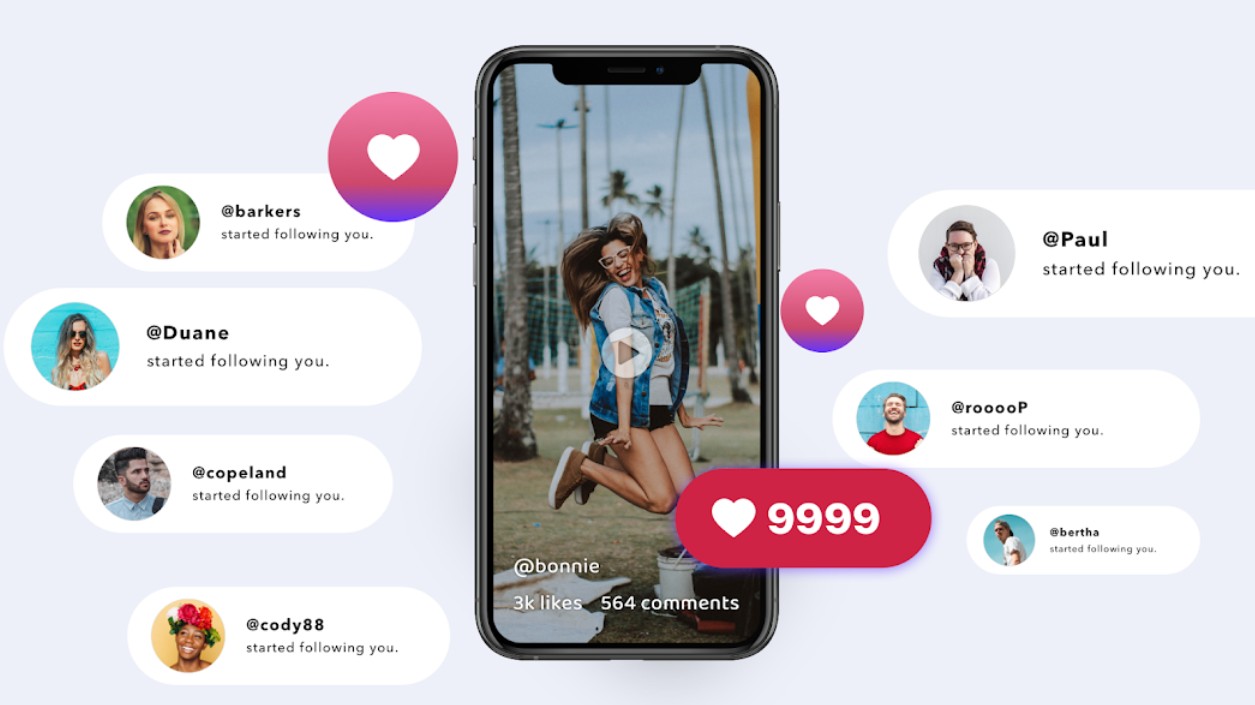
Conversely, social media allows users to access experiences shared directly from individuals. A person can post videos about their trip, meal, or recently purchased product without needing to be an expert or a business owner.
For Gen Z, these shared experiences feel more authentic. They trust people who are like themselves more than content curated by brands or commercial websites.
Of course, information on social media isn't always accurate. However, the human element and sense of closeness make Gen Z feel that such content is more trustworthy in many cases.
5. The power of community is surpassing search algorithms.
Google is built on algorithms that analyze data and rank results. Platforms like Reddit, on the other hand, thrive on the power of community.
When faced with a specific question, Gen Z often wants to know what other people's experiences were like, rather than just reading general information. This is why Reddit has become such an important source of information.
On Reddit, users can find thousands of discussions on the same topic. They can read opposing viewpoints, ask direct questions, and receive responses from people with firsthand experience.
For example, when wanting to buy a new laptop, instead of reading product descriptions, many young people will search discussion threads on Reddit to see reviews from people who have used the device for a long time.
The community element helps to make information more diverse and reduces the feeling of being swayed by advertising.
6. Personalization makes social media more appealing.
TikTok and Instagram's algorithms are designed to understand users' personal preferences.
After a period of use, the platform will record the content that users frequently watch, interact with, or share. From there, the system continuously suggests videos and posts that match their interests.
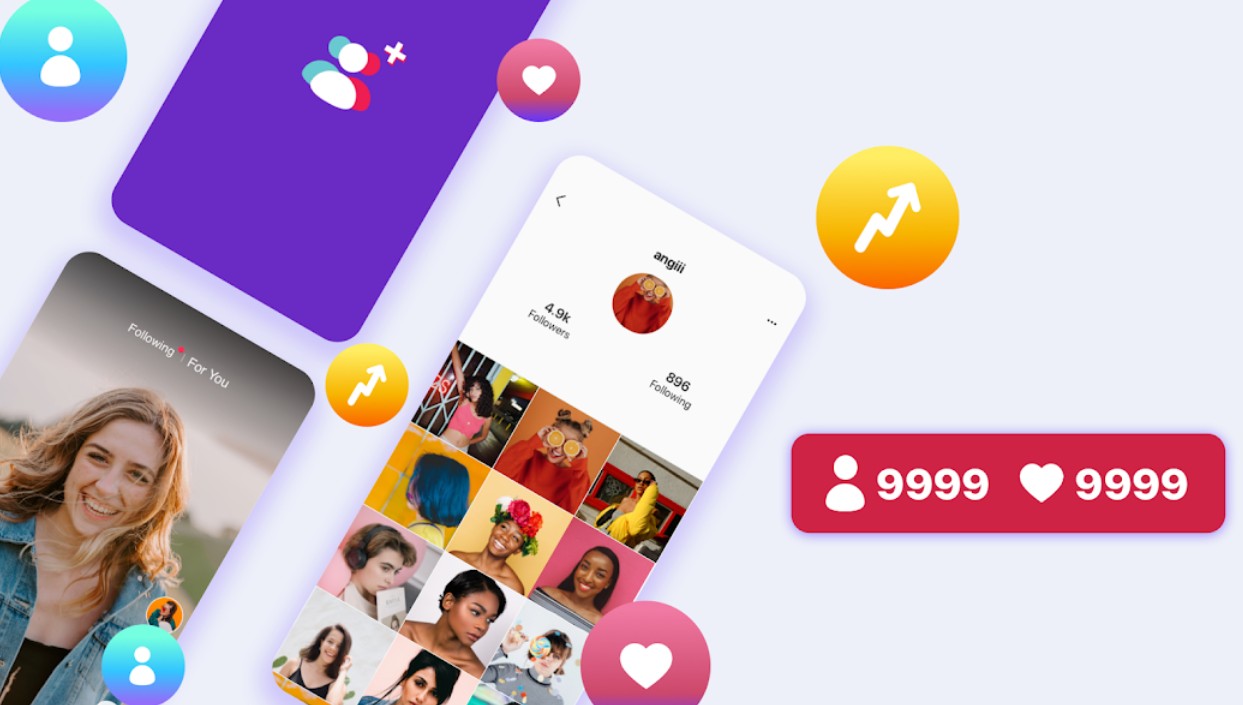
When combined with search functionality, this experience becomes incredibly effective. Users not only receive answers to their entered keywords but also discover a wealth of related content.
This creates a more seamless and natural search experience compared to having to visit multiple different websites.
For Gen Z, a personalized experience is one of the key factors in their platform choice.
7. Search today is closely linked to entertainment.
One major difference between Google and other social media platforms lies in the entertainment element.
Google was built with the goal of helping users find information quickly and accurately. Meanwhile, TikTok and Instagram serve as both search engines and entertainment platforms.
Users can start by searching for a place to eat but then continue to browse a range of content related to travel, fashion, or lifestyle.
8. Google's Adaptation Efforts
Google is not staying out of this change.
In recent years, the company has implemented numerous improvements aimed at attracting younger users. One notable change is the increased visibility of video content in search results.
Google also integrates many videos from TikTok, YouTube Shorts, and other platforms to provide a more intuitive experience. In addition, the company continuously develops image search, voice search, and artificial intelligence applications.
Google's goal is to transform the traditional search engine into a multimedia platform capable of meeting the evolving needs of users.
However, the biggest challenge lies not in technology, but in changing the perceptions and habits of the younger generation.
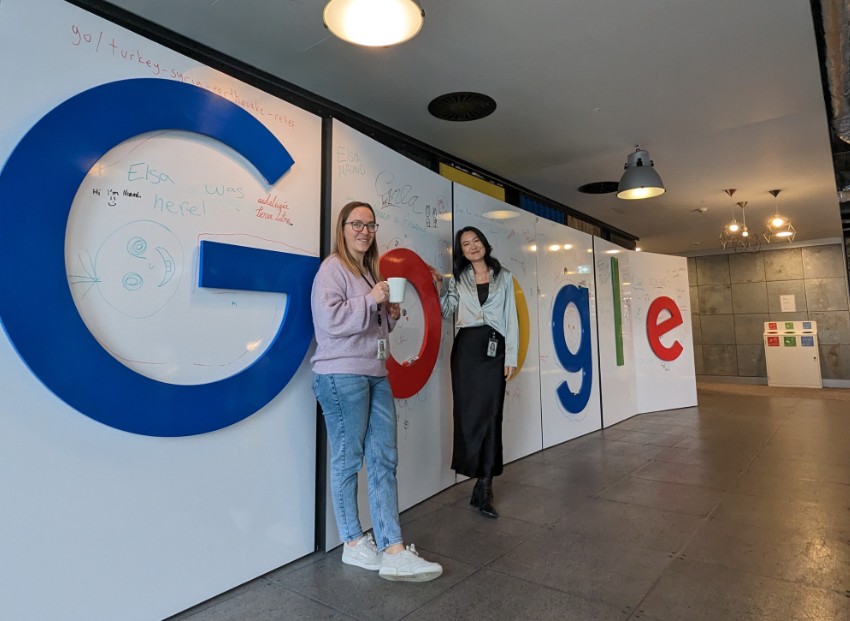
The decline in Gen Z's reliance on Google reflects a major shift in how people access information online. Younger generations are not only seeking answers but also experiences, emotions, authenticity, and community connections.
TikTok, Instagram, and Reddit are doing a great job of meeting those needs through visual content, high interactivity, and information from real users. Therefore, these social media platforms are gradually becoming the new "search tools" in the digital lives of Gen Z.
While Google remains a crucial player in the internet ecosystem, the era where every search journey begins with Google is likely changing. The future of search will no longer revolve solely around algorithms or artificial intelligence, but will be closely tied to human elements, communities, and real-world experiences. And Gen Z is leading the way in shaping that trend.



















VIP Products





Best Selling Products
Windows 10 & 11 Pro Key
36 USD
Copyright Adobe Lightroom Account
59 USD
Adobe Photoshop Copyright - Full App
120 USD
Autodesk All App Account Copyright
120 USD
Freepik Premium Account
59 USD
Upgrade Genuine Office 365
49 USD
ChatGPT Plus Account (GPT-4)
16 USD
Genuine Cheap Canva Pro
39 USD
MidJourney Account
29 USD
Plugin Retouch4me
69 USD
Upgrade genuine Capture One account
120 USD
Upgrade Duolingo Super
29 USD
Adobe Premiere Pro Account
99 USD
Capcut Pro 1 Year
39 USD
Genuine Adobe Illustrator account
99 USD