Best Selling Products

Windows 10 & 11 Pro Key
36 USD
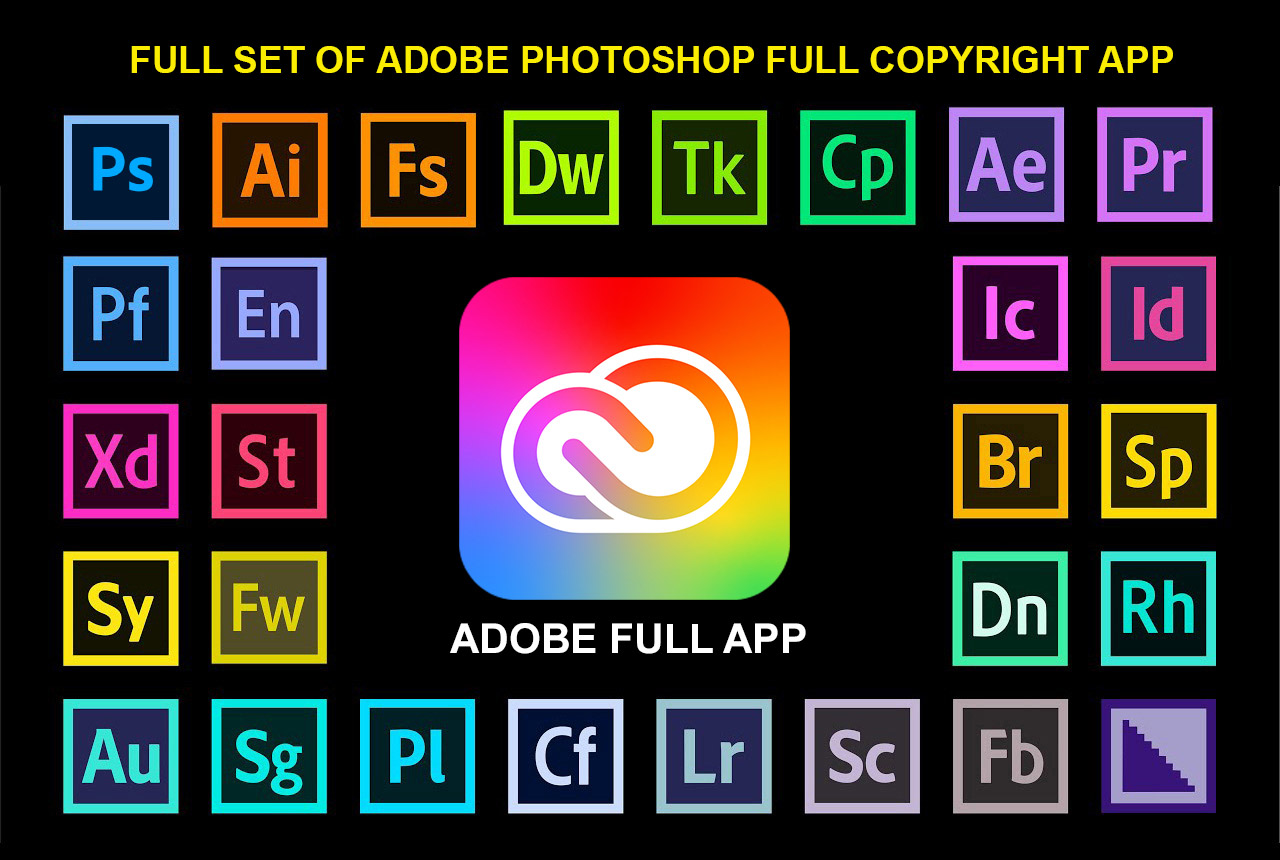
Adobe Photoshop Copyright - Full App
120 USD
Upgrade genuine Capture One account
120 USD

Freepik Premium Account
59 USD

ChatGPT Plus Account (GPT-4)
16 USD

Adobe Premiere Pro Account
99 USD

Upgrade Genuine Office 365
49 USD

Upgrade Duolingo Super
29 USD

Capcut Pro 1 Year
39 USD
Copyright Adobe Lightroom Account
59 USD
Plugin Retouch4me
69 USD

Autodesk All App Account Copyright
120 USD
Genuine Adobe Illustrator account
99 USD

Genuine Cheap Canva Pro
39 USD

MidJourney Account
29 USD
What should you pay attention to when buying a camera? 12 important technical specifications you can''t ignore.
Nội dung
Choosing a camera isn''t just about brand or price; it also depends on many important technical specifications such as video resolution, frame rate, sensor, image stabilization, and battery life.

1. Camera video resolution
Video resolution is one of the most important parameters when choosing a camera, especially given the increasing demand for video recording. Resolution indicates the number of pixels in the frame, thus determining the sharpness and detail of the video. Currently, the two most common resolution standards are HD 720p and Full HD 1080p. For users with small computer monitors or TVs under 32 inches, HD 720p can still adequately meet normal viewing needs. However, when displayed on larger screens, especially HD TVs 52 inches and larger, Full HD 1080p resolution will provide significantly clearer, more detailed, and more vibrant images. In addition, the market now offers many camera models that support 4K video recording with superior image quality, suitable for professional content creators or those who need to preserve high-quality images for extended periods. Choosing the right resolution not only optimizes the viewing experience but also affects storage space and post-production editing capabilities.
2. Camera scanning feature
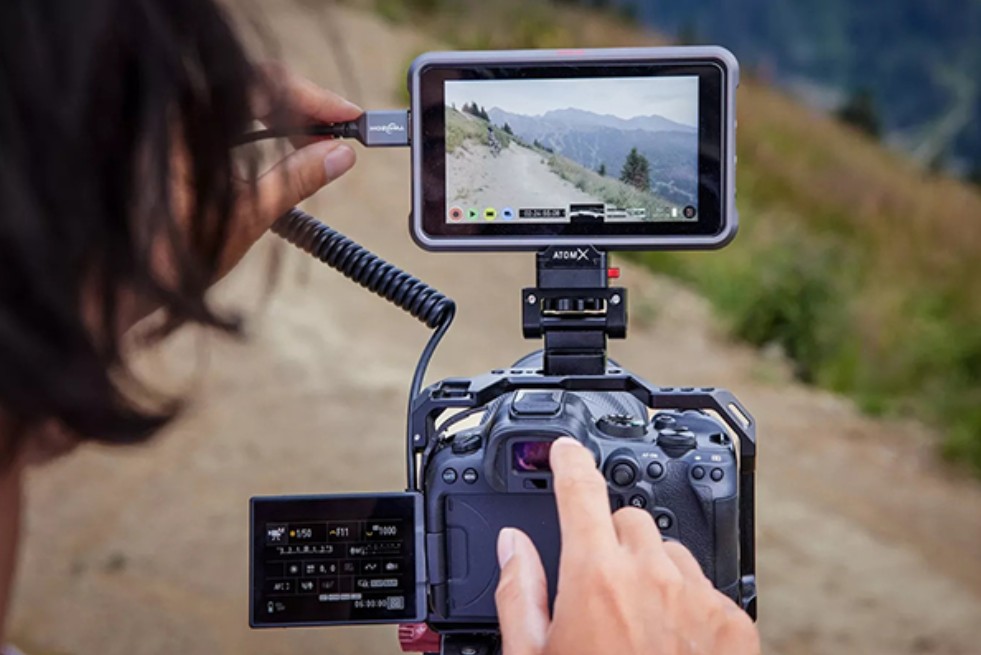
Another technical specification often overlooked when buying a camera is the image scanning feature. This directly affects the smoothness and sharpness of the video. Currently, most camera models are equipped with this feature as a basic standard. There are two common scanning methods: interlaced scanning and continuous scanning. With interlaced scanning technology, images are recorded in parts of the frame, so in some cases, fast movement may result in blurring or loss of detail. Conversely, continuous scanning technology records the entire frame at once, thus providing a clearer image even when the subject or person filming is moving. For those who frequently shoot vlogs, travel, sports, or content with a lot of movement, cameras using continuous scanning technology will be a more suitable choice as it helps ensure stable image quality in all shooting conditions.
3. Frame rate
Frame rate, also known as frame rate, is the number of frames a camera can record in one second. This is a crucial factor in determining the smoothness of video playback. Generally, most mainstream cameras support around 30 frames per second, sufficient for creating natural and stable video footage. However, with more modern cameras, frame rates can reach 60fps, 120fps, or even higher. The benefit of a high frame rate is the ability to create professional slow-motion effects while maintaining image sharpness and detail. This is a highly sought-after feature in content creation, travel video, sports, or product advertising. When choosing a camera, users should consider their actual needs to select the appropriate frame rate rather than focusing solely on resolution.
4. Camera size and weight
While not a direct determinant of image quality, the size and weight of a camera significantly impact the user experience. A camera that is too large or too heavy can be inconvenient to carry on long trips or during continuous shooting. Conversely, a camera that is too small and light may lack essential features or be less durable. Therefore, users should choose a product with a size and weight that suits their personal needs. For frequent travelers, compact mirrorless cameras are a worthwhile option. Professionals, however, may prefer larger models for greater ease of use and higher performance.
5. Included accessories
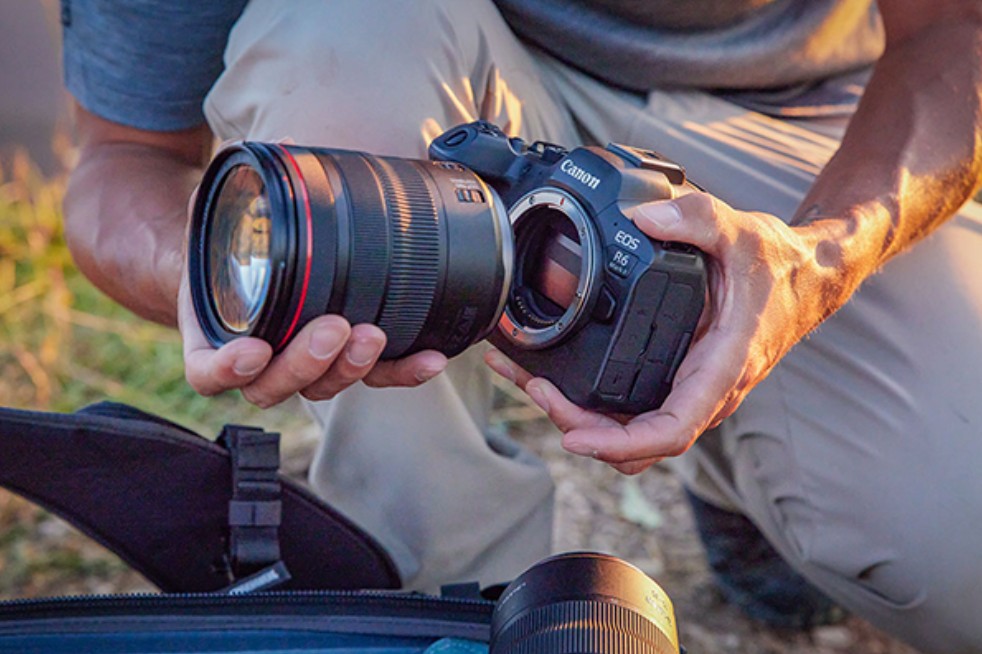
When buying a camera, many people focus only on the camera body and forget the role of accompanying accessories. In fact, accessories contribute to expanding the device's usability and improving its performance. Even the best quality camera cannot reach its full potential without essential accessories such as suitable lenses, spare batteries, high-speed memory cards, tripods, microphones, or lighting. Furthermore, choosing a brand with a rich accessory ecosystem makes it easier for users to upgrade their equipment in the future without having to replace the entire system.
6. Battery life
Battery life is especially important for those who frequently take photos or videos outdoors. A camera with a low battery will interrupt work and significantly affect the user experience. Manufacturers typically state the number of photos that can be taken on a single full charge. The higher this number, the better the camera's continuous operation capability. For content creators or professional photographers, choosing a camera with a long battery life reduces the need to carry multiple spare batteries. Additionally, cameras that support USB-C charging are becoming increasingly popular due to their convenience and the ability to charge via a power bank when needed.
7. Memory cards and storage capacity
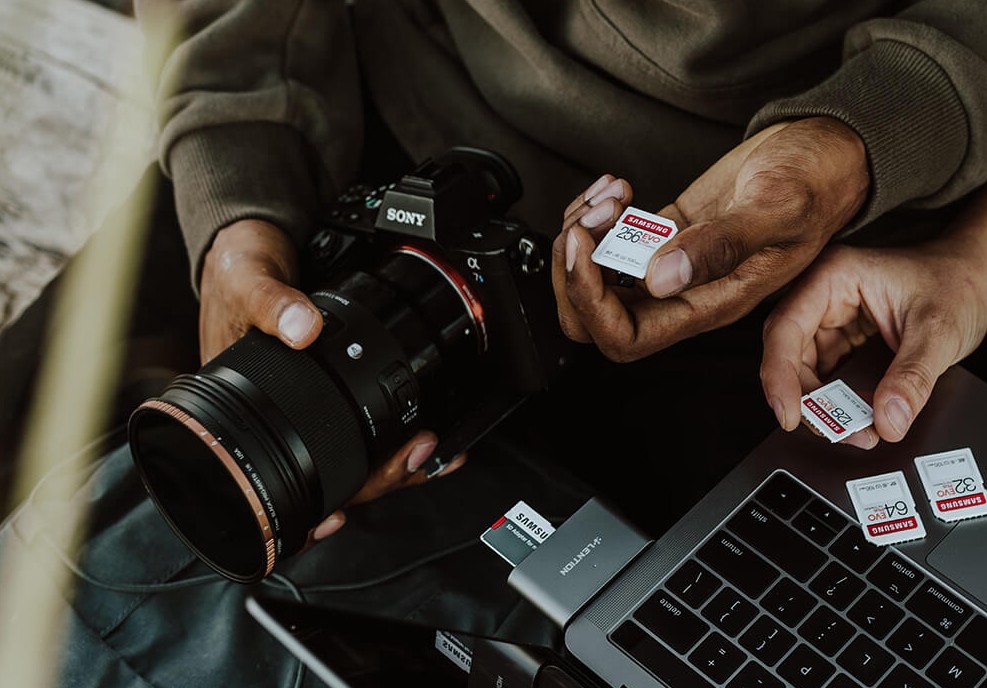
Memory cards are where all the images and videos recorded by the camera are stored. This directly affects the device's lifespan and performance. Currently, common capacities include 32GB, 64GB, 128GB, 256GB, and 512GB. For most users who only take photos, a 64GB memory card is sufficient. However, for those who frequently shoot Full HD or 4K video, a memory card of 128GB or more is recommended to ensure uninterrupted recording. Besides capacity, the read and write speed of the memory card is also crucial. A high-speed memory card will help the camera process data faster, especially when shooting continuously or recording high-quality video.
8. Image sensor
If you had to choose the most important part of a camera, it would definitely be the image sensor. The sensor's job is to capture light and convert it into image data. Sensor quality directly affects sharpness, detail, color reproduction, and low-light performance. Common sensor types include Full Frame, APS-C, and Micro Four Thirds. Of these, Full Frame sensors are considered the best due to their superior light-gathering capabilities, high image quality, and natural bokeh effect. However, Full Frame cameras are usually quite expensive. For casual and semi-professional users, APS-C sensors offer a balance between performance and cost.
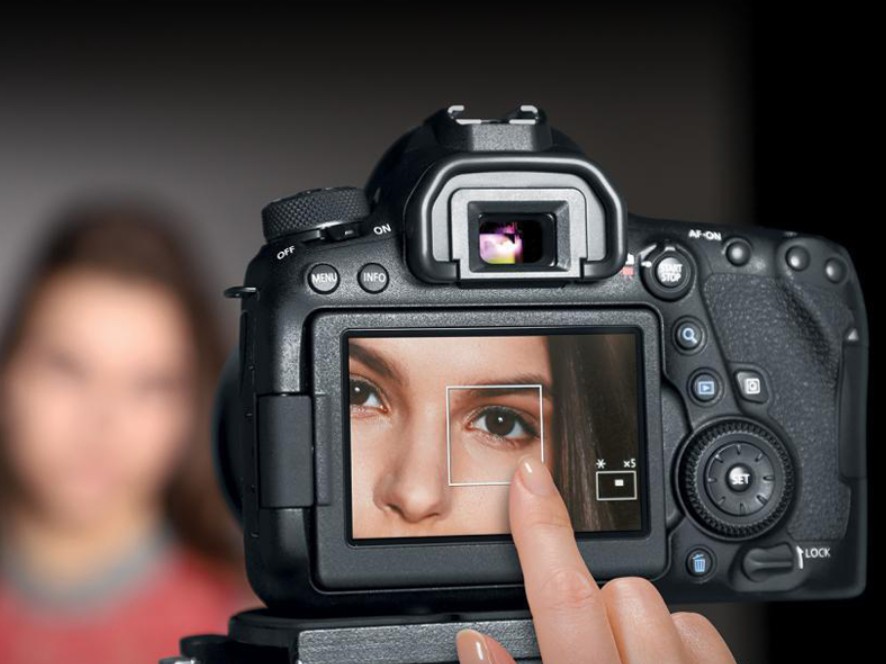
9. Focusing System
A modern camera cannot function without a fast and accurate autofocus system. This is a crucial factor in capturing moments and minimizing blurry or out-of-focus images. Many cameras now feature AI-powered autofocus technology capable of recognizing faces, human eyes, animals, and fast-moving subjects. For vloggers, livestreamers, or those who shoot personal videos, continuous autofocus is a huge advantage as it ensures consistently sharp images without manual adjustments.
10. Anti-vibration capability
Image stabilization is a particularly important feature for those who frequently shoot videos or take handheld photos. Without stabilization, images and videos are easily shaken, reducing the quality of the final product. Currently, there are two common image stabilization technologies: optical image stabilization in the lens and sensor-based image stabilization in the camera body. Cameras equipped with 5-axis image stabilization are usually very effective, resulting in smoother videos even when the user is constantly moving. This is a feature to prioritize if you need to shoot vlogs, travel videos, or create content for social media.
11. Connectivity
In the digital age, connectivity is an increasingly important factor for users. A modern camera should be equipped with connectivity standards such as Wi-Fi, Bluetooth, USB-C, and HDMI. These technologies make transferring data from the camera to a phone or computer faster and more convenient. At the same time, wireless connectivity also supports remote control, sharing content on social media, and caters to the growing popularity of livestreaming.
12. Cost and usage requirements
No matter how many attractive specifications a camera may have, the best choice is still the one that meets your specific needs. Beginners don't necessarily need to invest in high-end models right away, as many features may not be fully utilized. Conversely, professionals need to carefully consider their options to choose equipment with performance commensurate with their work requirements. Clearly defining your purpose from the outset will save you money and avoid wasting resources on unnecessary features.

12. Conclusion
Buying a camera is an investment that requires careful consideration. Besides brand and price, users need to pay attention to many important technical specifications such as video resolution, scanning capabilities, frame rate, size, weight, accessories, battery life, memory card capacity, sensor, focusing system, image stabilization, and connectivity. Understanding the meaning of each specification will help you choose the camera that best suits your needs, ensuring long-term effectiveness and optimizing your investment.

















VIP Products





Best Selling Products
Windows 10 & 11 Pro Key
36 USD
Adobe Photoshop Copyright - Full App
120 USD
Upgrade genuine Capture One account
120 USD
Freepik Premium Account
59 USD
ChatGPT Plus Account (GPT-4)
16 USD
Adobe Premiere Pro Account
99 USD
Upgrade Genuine Office 365
49 USD
Upgrade Duolingo Super
29 USD
Capcut Pro 1 Year
39 USD
Copyright Adobe Lightroom Account
59 USD
Plugin Retouch4me
69 USD
Autodesk All App Account Copyright
120 USD
Genuine Adobe Illustrator account
99 USD
Genuine Cheap Canva Pro
39 USD
MidJourney Account
29 USD