Best Selling Products
Adobe Premiere Pro Account
99 USD
Plugin Retouch4me
69 USD
Upgrade Genuine Office 365
49 USD

MidJourney Account
29 USD
Genuine Cheap Canva Pro
39 USD
Upgrade Duolingo Super
29 USD
Freepik Premium Account
59 USD
Adobe Photoshop Copyright - Full App
120 USD
Copyright Adobe Lightroom Account
59 USD
Autodesk All App Account Copyright
120 USD
Genuine Adobe Illustrator account
99 USD
Windows 10 & 11 Pro Key
36 USD

ChatGPT Plus Account (GPT-4)
16 USD
Upgrade genuine Capture One account
120 USD
Capcut Pro 1 Year
39 USD
How Can You Make Your Portfolio Stand Out Among Thousands of Designers?
Nội dung
- 1. Learn about Portfolio
- 2. 6 tips for designing an outstanding portfolio
- 2.1. Select works that are most relevant to your work.
- 2.2. Don't overlook the emotional element in your portfolio.
- 2.3. Regularly update your portfolio.
- 2.4. High-quality images are a requirement.
- 2.5. Choosing the right font for your overall portfolio
- 2.6. Clearly state your personal orientation and viewpoints.
In a competitive creative market, an impressive portfolio is a powerful tool for attracting job opportunities.
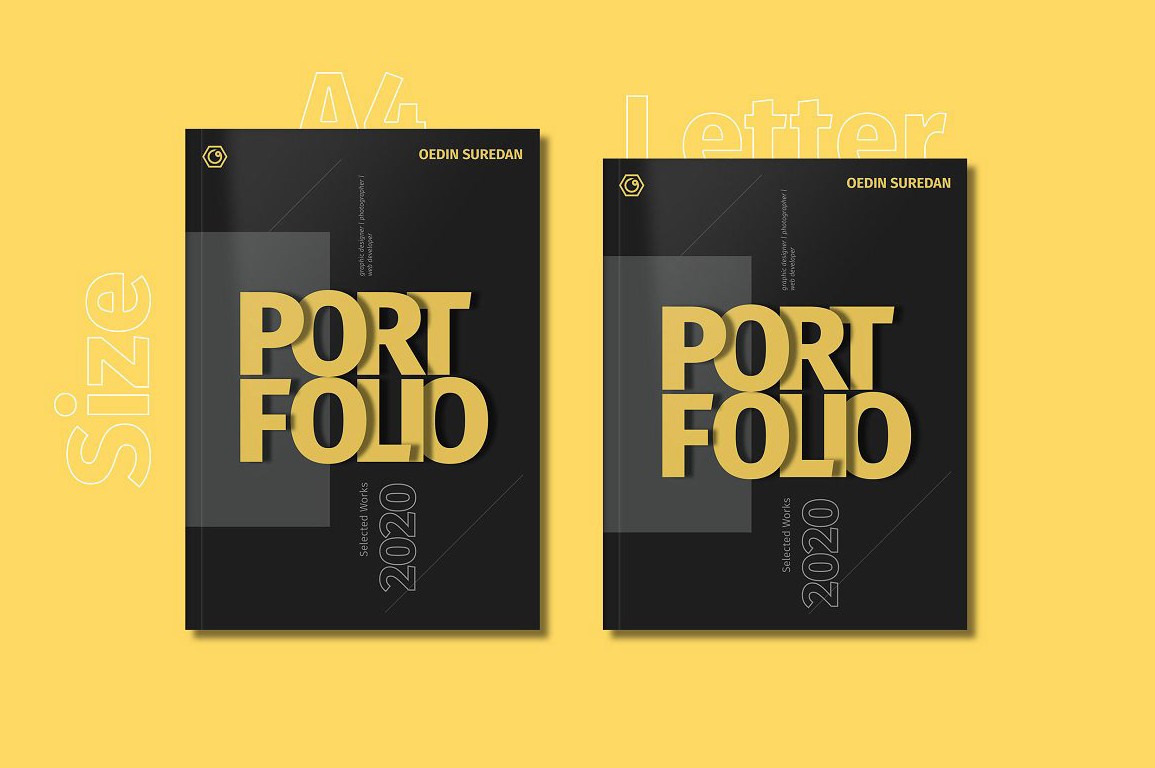
An impressive portfolio is not simply a collection of completed projects, but also a way to tell the story of your abilities, style, and design philosophy. Today's employers are not only looking for skilled individuals, but also interested in how you communicate ideas, your perspective, and your ability to express your personal identity. Therefore, a good portfolio must fully showcase these elements, from layout and presentation to personal brand story and image quality. Many young designers believe that simply gathering a lot of beautiful work is enough, but in reality, a portfolio needs more than that. It must have highlights, be selective, emotional, logical, and have a clear direction. This article will help you understand the nature of a portfolio and share six important tips for building a truly outstanding creative portfolio.
1. Learn about Portfolio
A portfolio, derived from French, is a collection of representative products or projects you have completed. Through this portfolio, employers can assess your abilities, aesthetic sense, professional skills, and personal style. A portfolio acts as a "map" showcasing your creative journey, what you have done, learned, and achievements that demonstrate your practical capabilities. For businesses, a portfolio is a useful tool to verify information in your CV and assess your suitability for the position they are seeking. This is why a good portfolio is sometimes more valuable than a lengthy CV.
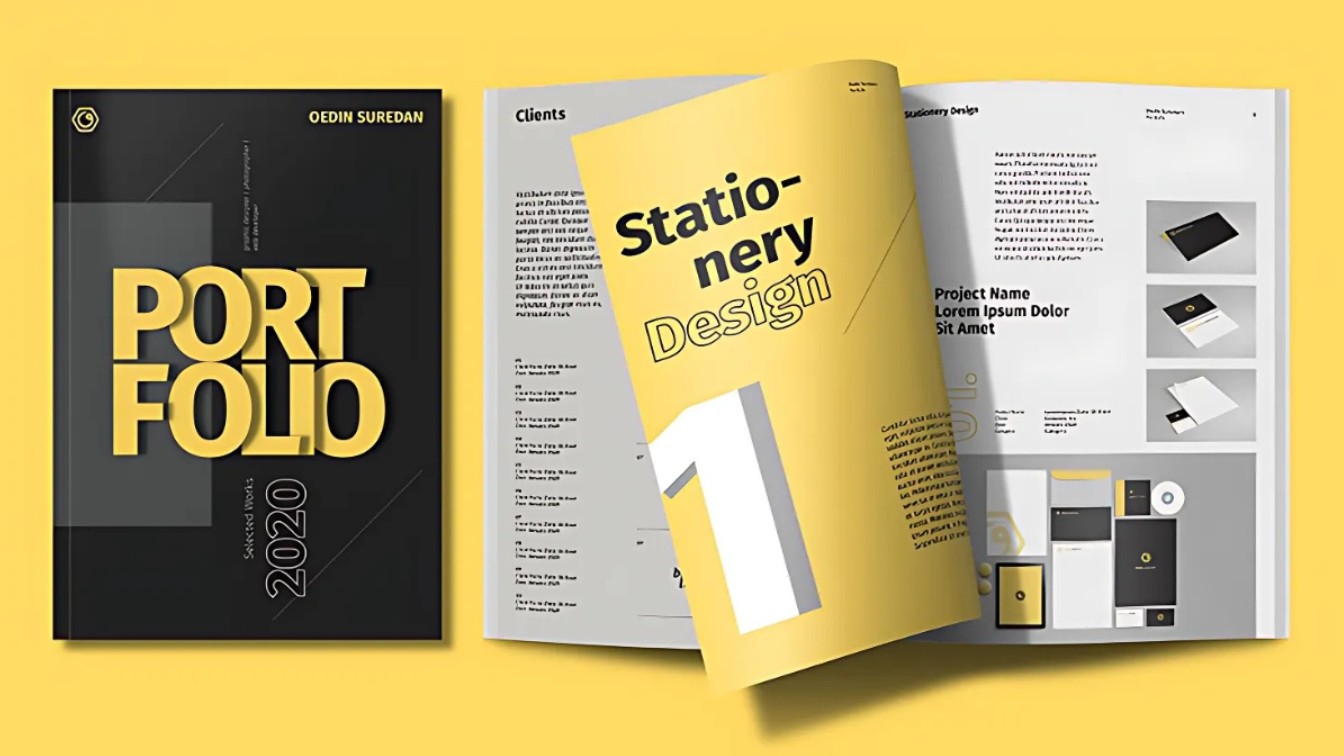
A portfolio can be presented in two forms: a traditional A4 printout or a digital version such as a website, video, slideshow, or online photo gallery. For designers, the online version is often more popular because it is flexible, easy to update, and can meet a variety of situations. In the arts, a portfolio has become a mandatory standard, especially in fields such as web design, graphic design, architecture, fashion, advertising, or creative marketing. It helps employers get a more visual and realistic view of your abilities, rather than relying solely on the description in your CV.
2. 6 tips for designing an outstanding portfolio
After understanding the nature of a portfolio, here are six key tips to help you create a comprehensive portfolio that showcases your creative personality and conveys true value to potential employers or clients.
2.1. Select works that are most relevant to your work.
One common mistake young designers make is trying to include as many projects as possible in their portfolio, hoping to prove their versatility. However, cramming too many projects is ineffective and can even be counterproductive, making the portfolio cluttered, unfocused, and failing to showcase your true strengths. Recruiters have very little time to review every page, so they only pay attention to the most outstanding work.
The best approach is to be selective. Take the time to review all your past projects, consider which ones are most valuable, accurately reflect the skills you want to showcase, and are relevant to the job or position you're applying for. If your portfolio is presented on a website, space limitations remain a consideration. Viewers won't have the patience to scroll through hundreds of images. Instead, choose the designs you're most confident in, that tell a clear story, deliver the best results, or are relevant to the industry you want to develop in.
By carefully selecting suitable portfolios, you can guide recruiters to understand your style correctly. A well-chosen portfolio will clearly demonstrate your professional skills, design thinking, and problem-solving abilities in each project. The important thing isn't the quantity of work, but their quality and value to your career goals.

2.2. Don't overlook the emotional element in your portfolio.
A perfect portfolio is not only visually appealing but also needs to convey emotion. Recruiters review dozens of applications every day; if your portfolio lacks emotional connection, they'll easily forget you after just a few minutes.
You can incorporate emotion in many different ways. A short sharing about yourself, your design style, or what motivates you to pursue your artistic path can create a sense of familiarity. You can also tell the story behind each project: the reasons for undertaking it, the initial goals, the challenges encountered, the creative solutions, and the actual results. These stories help recruiters get a feel for you as a person, rather than just seeing the product in a dry, impersonal way.
If your personality is humorous, playful, or insightful, subtly showcase it in your portfolio. A short story told in a natural writing style can leave a lasting impression than a profile filled only with images and statistics. When your portfolio is emotionally engaging, it becomes the first connection between you and the recruiter before the interview.
2.3. Regularly update your portfolio.
A portfolio isn't a one-time, disposable document. It's a living record, constantly evolving as you progress and develop your style. Many students or aspiring designers make the mistake of sending the same portfolio to every company without adjusting or updating it. This gives the impression that you haven't seriously prepared for the position and haven't taken the time to understand the company.
Think of your portfolio as a personal marketing strategy. You need to know who you're talking to, what they need, and what value your work brings to their needs. From there, you can narrow down the projects to the most suitable ones. "Customer-specific fine-tuning" doesn't mean completely rebuilding your portfolio; it simply means replacing a few products, updating with new projects, or removing outdated designs that are no longer relevant.
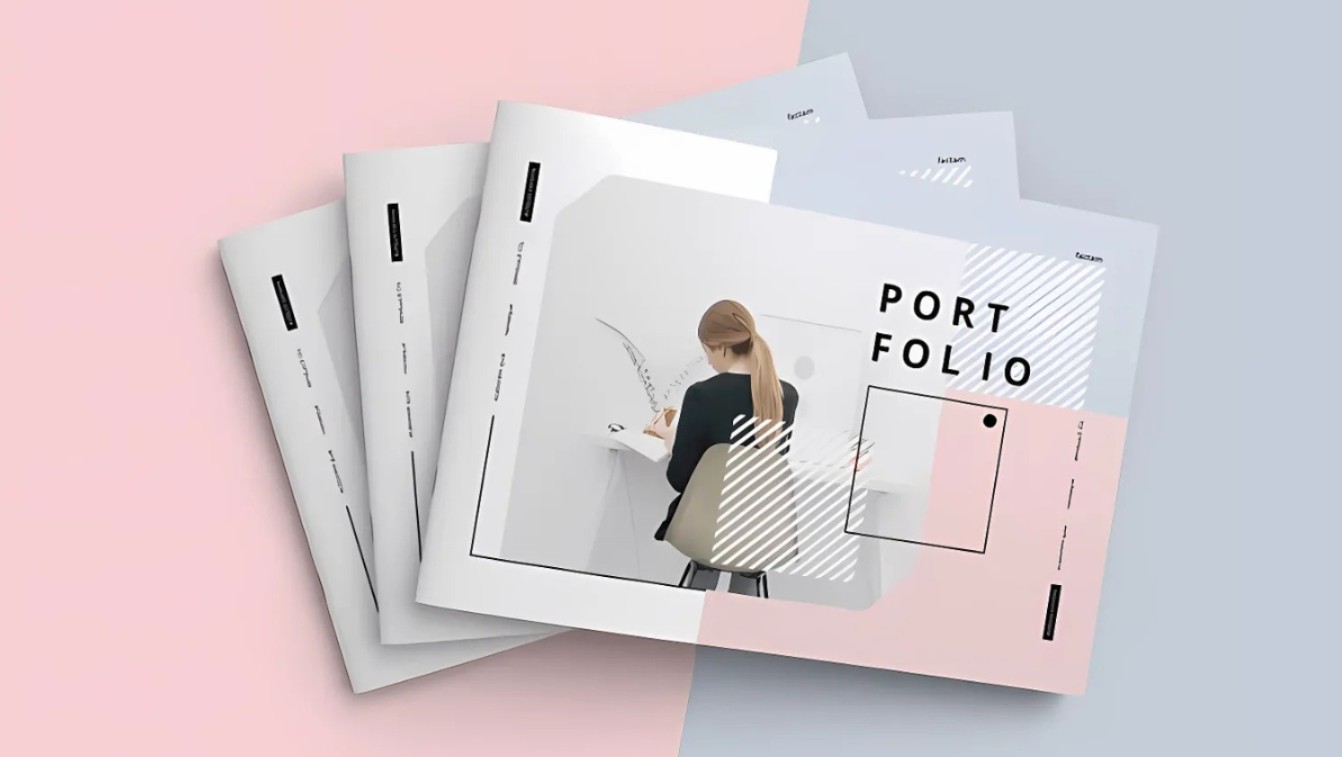
Furthermore, a designer's style is constantly changing, so a portfolio needs to be updated periodically. With each new project and experience, you will develop your skills and mindset. Continuously updating your portfolio helps it accurately reflect your current capabilities, rather than an outdated version of yourself.
2.4. High-quality images are a requirement.
For a portfolio, images are the central language. No matter how well you write the descriptions, poor-quality images will seriously detract from your profile. This is especially true for online portfolios, where recruiters view your work on computer or phone screens, making image sharpness more crucial than ever.
You need to ensure all images you include are high-resolution, sharp, and properly aligned. Avoid inserting images that are too small, cropped incorrectly, or taken with a poorly lit phone camera. If you have to photograph handcrafted products, prepare good lighting and perform careful post-processing to preserve the full value of the design.
Paying attention to image quality not only demonstrates respect for the viewer but also reflects your professionalism and aesthetic sense. A designer cannot convince a recruiter if their own portfolio has blurry images, a messy composition, or distorted colors.
2.5. Choosing the right font for your overall portfolio
Typography is a crucial element in any design project, and this is also true for portfolios. Fonts are not just decorative; they reflect your style. If your portfolio uses fonts that are haphazard, visually cluttered, or inappropriate for your field, viewers will perceive your professionalism as lacking.
Clearly define the style you want to achieve: modern, minimalist, playful, creative, or formal. If you're applying to an entertainment company or creative agency, you might choose unconventional, youthful fonts. But if you're aiming for a serious corporate environment, prioritize minimalist, elegant, and stable fonts.
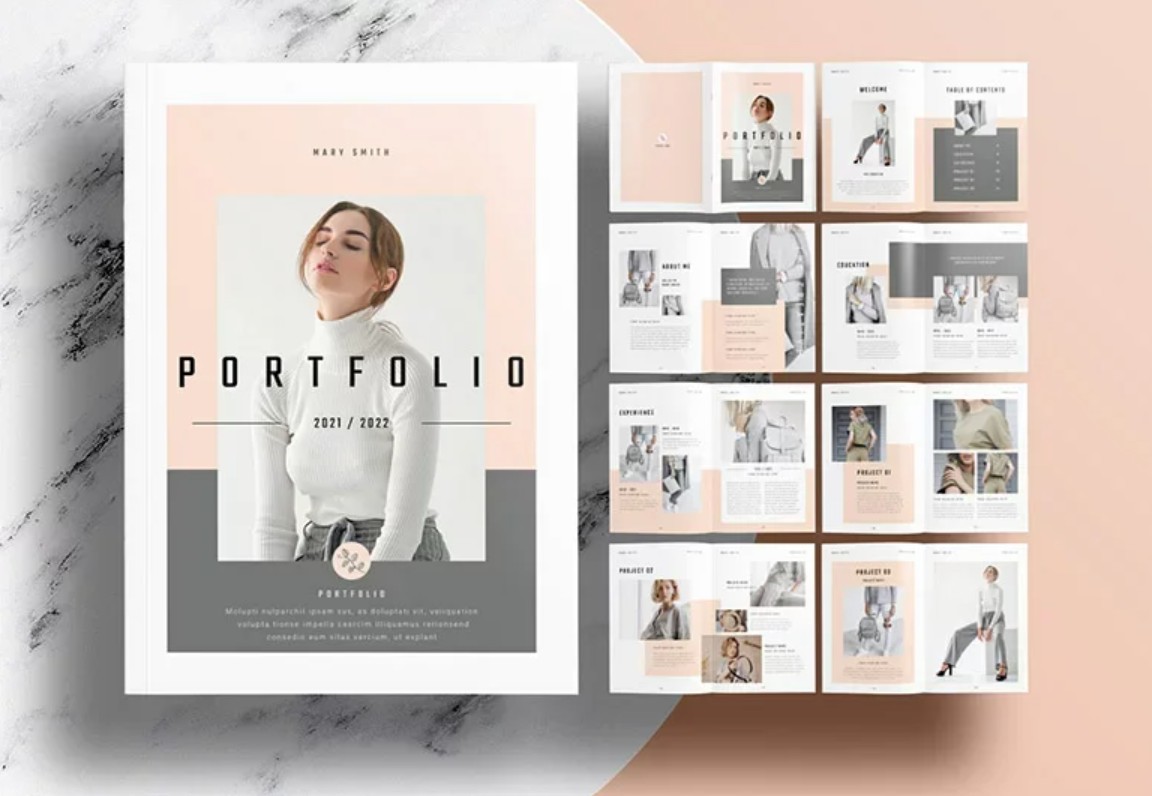
Regardless of the style you choose, consistency is key. Avoid using too many fonts in the same portfolio. Two to three fonts are usually enough to create a harmonious and professional look. The fonts should be easy to read and compatible with both desktop and mobile if you're designing an online portfolio.
2.6. Clearly state your personal orientation and viewpoints.
One element many designers overlook is expressing their career direction or design philosophy in their portfolio. This is crucial because it helps recruiters understand who you are, what you believe in, and what style you want to pursue in the future. A clearly defined portfolio is always more persuasive than a portfolio that simply compiles your work.
You can introduce yourself at the beginning of your portfolio with a short paragraph, explaining why you chose design, your main creative style, and the value you want to bring to clients. Then, when presenting each project, choose work that aligns with the aforementioned direction. Finally, don't forget to conclude with a paragraph emphasizing your creative vision and future aspirations. Consistency between your story, your work, and your thought process will give your portfolio depth and create a positive impression on the viewer.
Invest time in building your portfolio seriously, continuously updating and developing it. A good portfolio can open up many new opportunities for you, from your dream job to exciting and challenging projects.





VIP Products

Best Selling Products
Adobe Premiere Pro Account
99 USD
Plugin Retouch4me
69 USD
Upgrade Genuine Office 365
49 USD
MidJourney Account
29 USD
Genuine Cheap Canva Pro
39 USD
Upgrade Duolingo Super
29 USD
Freepik Premium Account
59 USD
Adobe Photoshop Copyright - Full App
120 USD
Copyright Adobe Lightroom Account
59 USD
Autodesk All App Account Copyright
120 USD
Genuine Adobe Illustrator account
99 USD
Windows 10 & 11 Pro Key
36 USD
ChatGPT Plus Account (GPT-4)
16 USD
Upgrade genuine Capture One account
120 USD
Capcut Pro 1 Year
39 USD