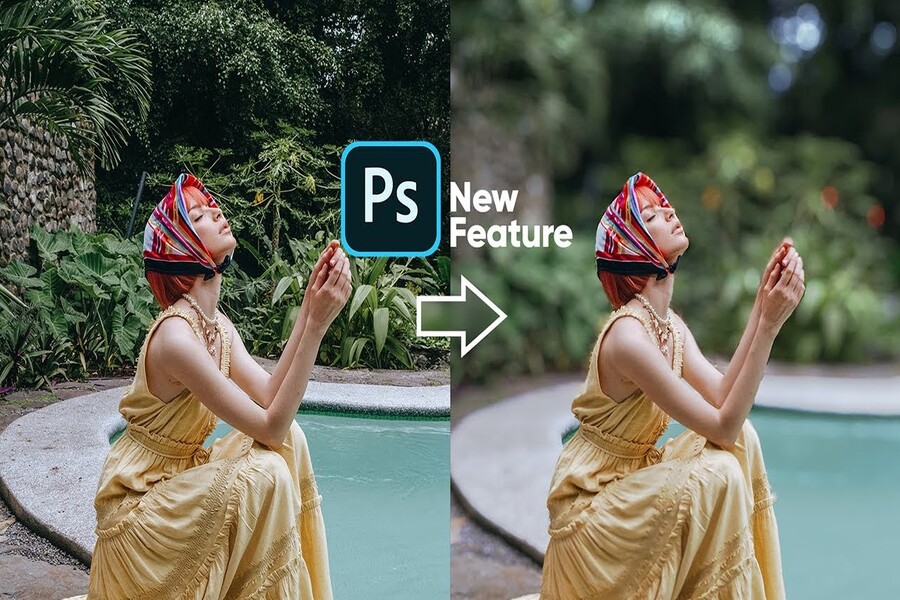
Best Selling Products

MidJourney Account
29 USD

Upgrade genuine Capture One account
120 USD
Plugin Retouch4me
69 USD

ChatGPT Plus Account (GPT-4)
16 USD
Copyright Adobe Lightroom Account
59 USD
Adobe Premiere Pro Account
99 USD

Freepik Premium Account
59 USD

Windows 10 & 11 Pro Key
36 USD
Genuine Cheap Canva Pro
39 USD

Upgrade Genuine Office 365
49 USD
Genuine Adobe Illustrator account
99 USD
Autodesk All App Account Copyright
120 USD

Capcut Pro 1 Year
39 USD
Adobe Photoshop Copyright - Full App
120 USD
Upgrade Duolingo Super
29 USD
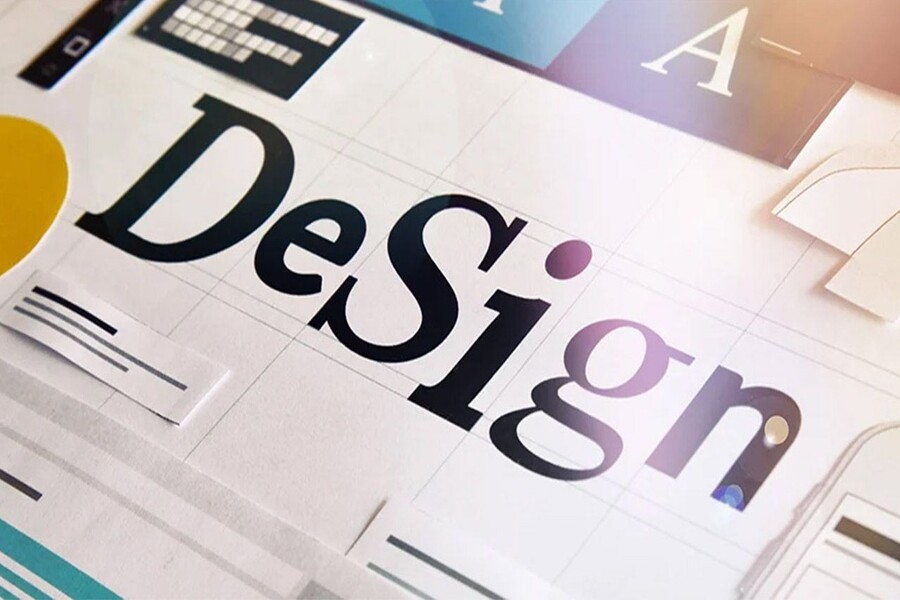
Is the design industry still viable? Valuable career opportunities in 2026.
Nội dung
- 1.1 Graphic Design
- 1.2 Design UI/UX (User Interface/User Experience Design)
- 1.3 Fashion Design
- 1.4 Interior Design
- 1.5 Game Design
- 2. Skills needed to succeed in the design industry
- 2.1 Creative skills and aesthetic thinking
- 2.2 Skills in using design tools
- 2.3 Communication and Teamwork Skills
- 2.4 Time and Project Management Skills
- 3. Design Industry Trends in 2026
Highlights prominent job opportunities, competition levels, and suitable career paths for newcomers. Ideal for those seriously considering a career in design.
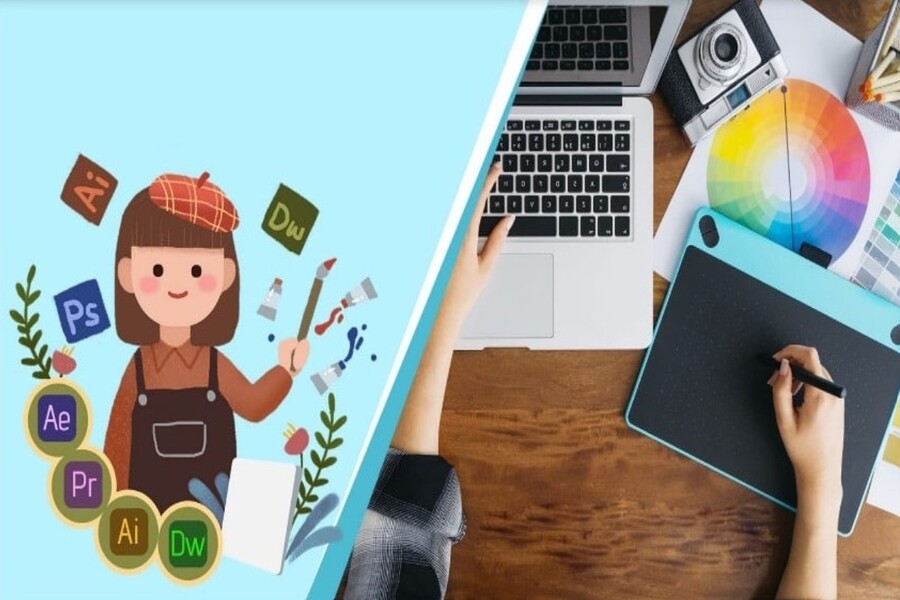
While design was previously often considered merely a "decorative" element accompanying a product, by 2025-2026, it will become a core factor determining user experience, brand image, and the competitiveness of businesses. The explosion of digital technology, artificial intelligence, e-commerce, gaming, the metaverse, and content platforms has opened up many new opportunities for designers. This has led many young people, especially those choosing a career path, to ask: Does the design industry still have potential, and what are the truly worthwhile job opportunities to pursue in 2026?
1. Job opportunities in the design industry
The design industry is no longer limited to a few familiar positions. Today, design is present in almost every field: technology, fashion, education, entertainment, real estate, healthcare, and even finance. Below are five typical career paths that are considered to have strong growth potential in 2026.
1.1 Graphic Design
Graphic design remains a core foundation of the design industry. Despite its long history, graphic design is far from outdated; it is constantly being updated to adapt to modern media platforms. In 2026, the demand for graphic designers is not only expected to increase but will also grow significantly, particularly in the fields of digital marketing, branding, and cross-platform content.
Today's graphic designers don't just design logos, posters, or brochures like before. They are deeply involved in building brand identity systems, designing visuals for social media, digital advertising, landing pages, and even interactive products. Businesses need graphic designers to create a consistent, easily recognizable, and sufficiently distinctive image in a fiercely competitive market.
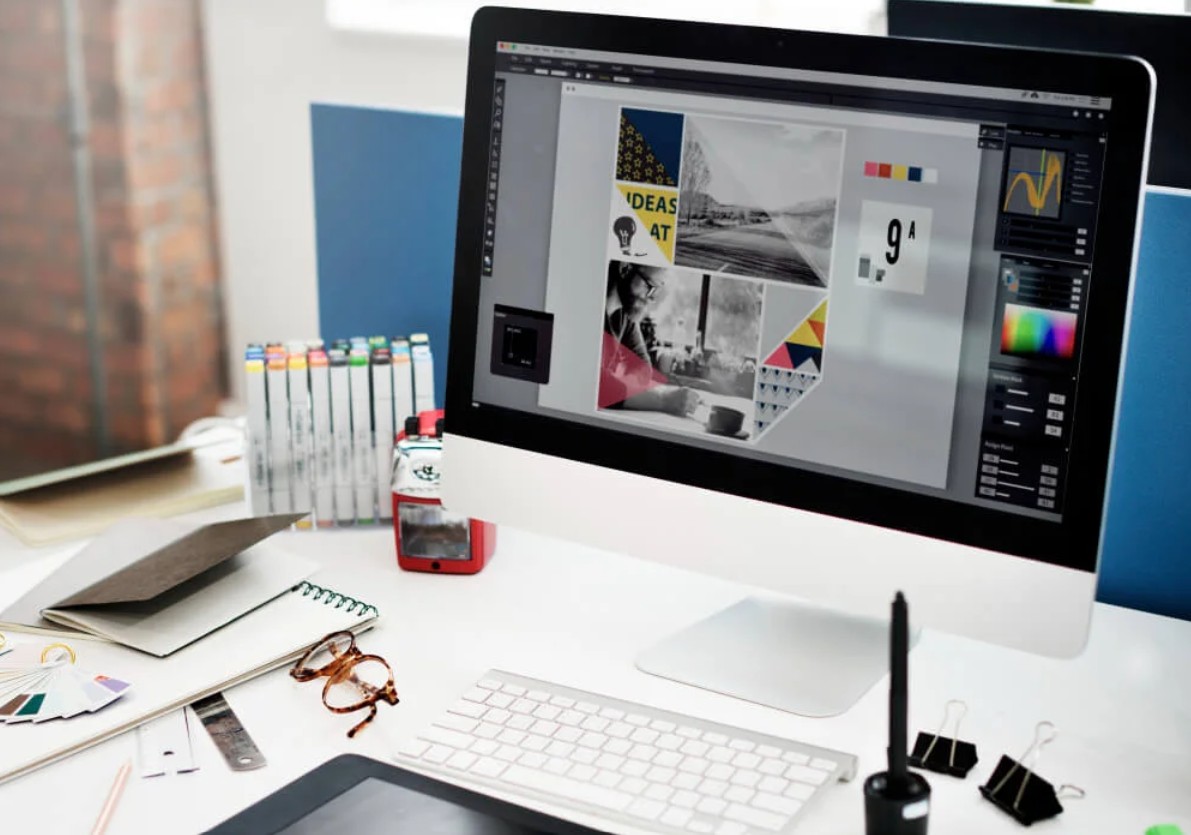
One notable point is the differentiation within the profession. Instead of a single graphic designer "doing everything," the market is beginning to prioritize those with clear specializations such as brand designers, visual designers, or motion graphic designers. This opens up great opportunities for those who invest seriously in a specific area, building a deep portfolio instead of spreading themselves too thin.
In terms of income, graphic design is no longer considered a low-paying profession as previously thought. With experience and the ability to work with major brands, designers can absolutely achieve a stable, even very high, income when working as freelancers or remotely for the international market.
1.2 Design UI/UX (User Interface/User Experience Design)
UI/UX design has been one of the fastest-growing areas in the design industry for many years, and this trend is expected to continue in 2026. As digital products such as websites, mobile applications, and SaaS software become increasingly important, user experience becomes a vital element.
UI/UX designers not only beautify interfaces but also research user behavior, build user experience flows, optimize interactions, and ensure products are easy to use and effective. In the fiercely competitive landscape of digital platforms, a poor user experience can cause businesses to lose customers in seconds.

The strengths of UI/UX design lie in its high applicability and global reach. Many international companies are willing to hire UI/UX designers remotely, provided you have strong skills and a compelling portfolio. This gives professionals in Vietnam the opportunity to access international-level income and work environments without leaving their homeland.
In 2026, UI/UX design will also be heavily impacted by AI. However, instead of being replaced, designers need to learn how to leverage AI as a tool to support research, create prototypes quickly, and test user experiences. Those who know how to combine design thinking with technology will have a huge advantage.
1.3 Fashion Design
Fashion design is a highly creative and individualistic field, but it is also undergoing significant changes. While previously fashion designers primarily worked in fashion houses, garment factories, or traditional brands, by 2026, opportunities have expanded considerably.
The rise of e-commerce, social media, and the D2C (direct-to-consumer) business model allows young designers to build their personal brands without needing a large initial investment. With just a clear concept, the ability to tell a story through visuals, and a suitable communication strategy, designers can reach a global customer base.
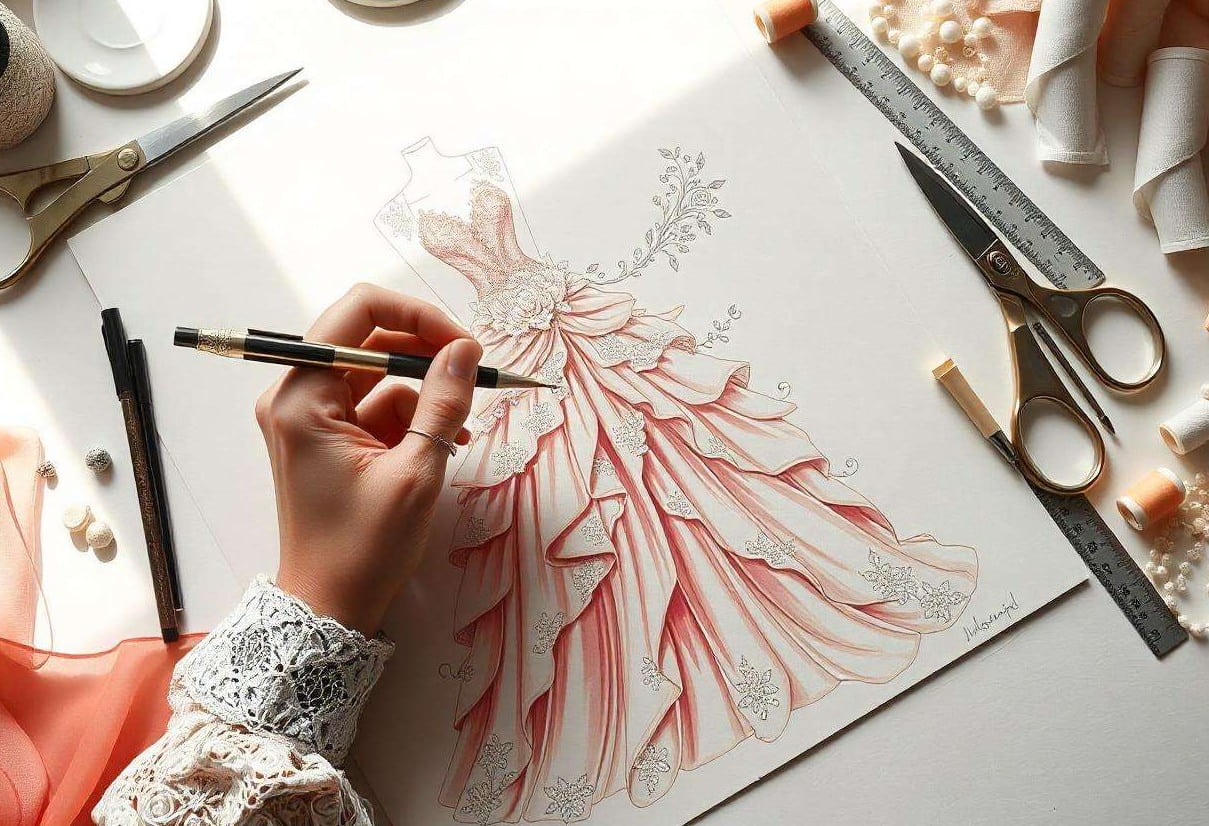
Furthermore, sustainable fashion, digital fashion, and metaverse design trends are opening up new avenues. Fashion designers are not only designing physical clothing but also creating digital outfits for avatars, games, and virtual platforms. This is a very new but highly promising field, especially for those willing to learn about technology.
Despite being a highly competitive field, fashion design still has a place for those with a distinct personality, business acumen, and the ability to adapt to new trends.
1.4 Interior Design
Interior design is a profession closely linked to people's living and working needs, and therefore enjoys high stability. In the context of urbanization, real estate development, and the trend towards personalized living spaces, interior designers are increasingly valued.
In 2026, interior design will no longer be limited to arranging furniture or choosing colors. Clients desire spaces that reflect their lifestyle, optimize functionality, and evoke positive emotions. This requires designers to understand user psychology, materials, lighting, and even technological elements like smart homes.
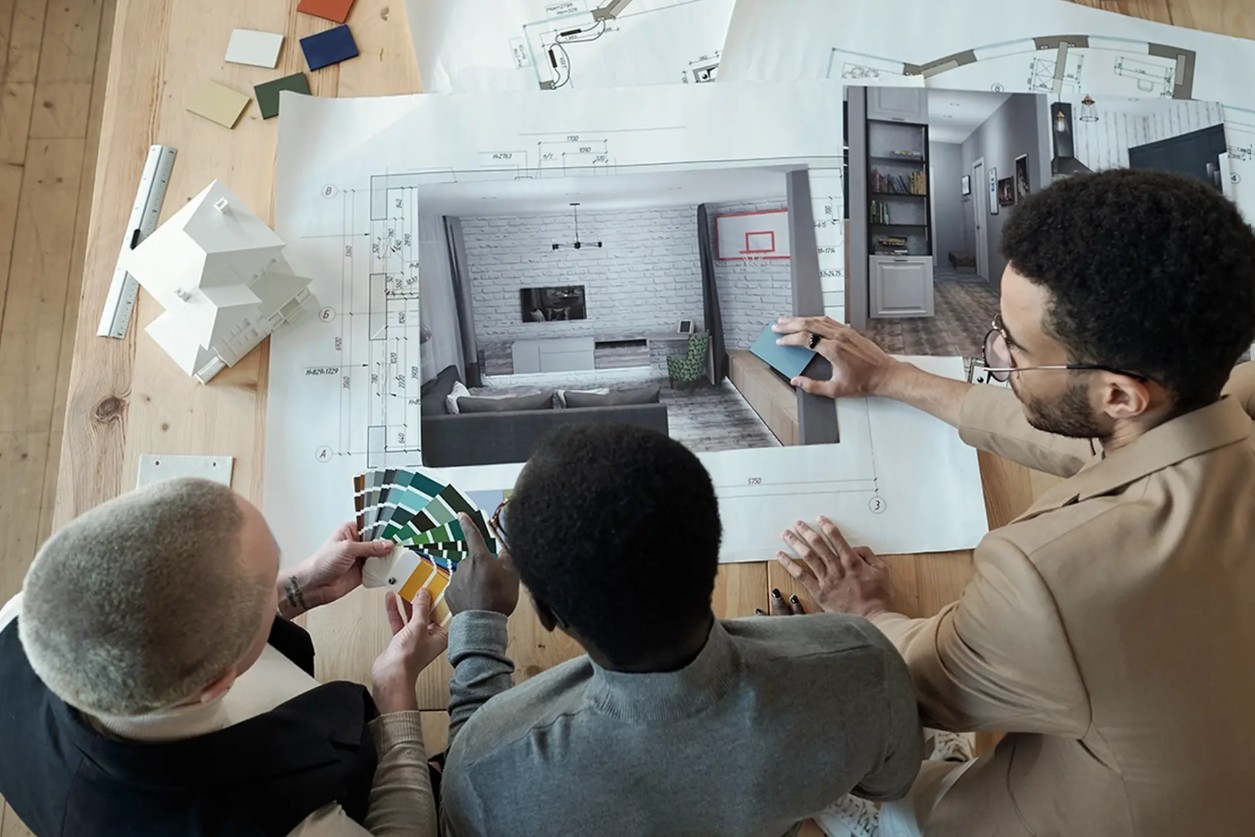
A notable point is the intersection between interior design and other fields such as architecture, furniture design, and lighting design. Designers who can work interdisciplinaryly, are proficient in 3D software, and present ideas persuasively will have a significant advantage in the market.
Interior design is also a suitable field for those who want to develop a long-term career, build personal reputation, and create their own brand.
1.5 Game Design
Game design is one of the fastest-growing creative fields thanks to the booming global gaming industry. Beyond entertainment, games are increasingly being used in education, marketing, and training.
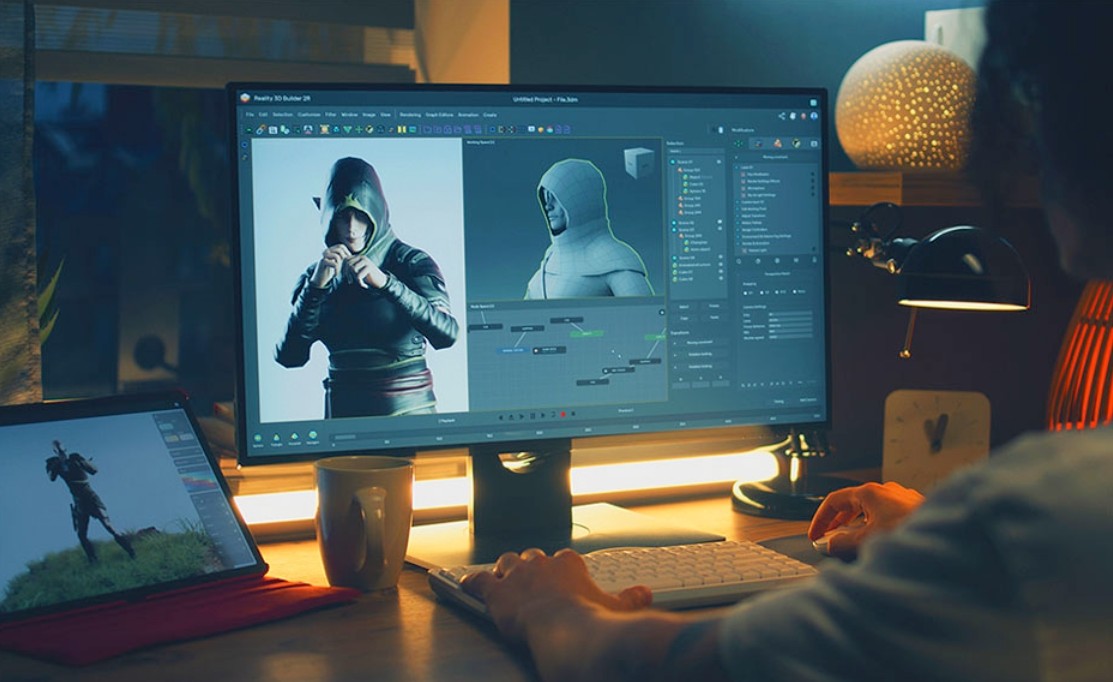
Game designers are involved in building the gameplay mechanics, storylines, characters, settings, and overall experience of a game. This job requires a combination of creativity, logical thinking, and technological understanding.
In 2026, with the development of mobile games, indie games, and VR/AR platforms, opportunities for game designers will become increasingly diverse. In particular, the international market consistently faces a shortage of high-quality talent, opening up global job opportunities for Vietnamese people.
2. Skills needed to succeed in the design industry
Regardless of the career path chosen, designers need to equip themselves with a comprehensive set of skills to survive and thrive in the profession.
2.1 Creative skills and aesthetic thinking
Creativity is the core foundation of all design disciplines. However, creativity is not just fleeting inspiration, but the ability to observe, analyze, and systematically connect ideas. Aesthetic thinking helps designers create products that are harmonious, profound, and appropriate to their intended context.
2.2 Skills in using design tools
Tools are the means to realize ideas. Depending on the field, designers need to be proficient in specialized software such as Adobe, Figma, Blender, or 3D tools. In 2026, familiarizing oneself with and utilizing AI as a creative assistant will also become a significant advantage.
2.3 Communication and Teamwork Skills
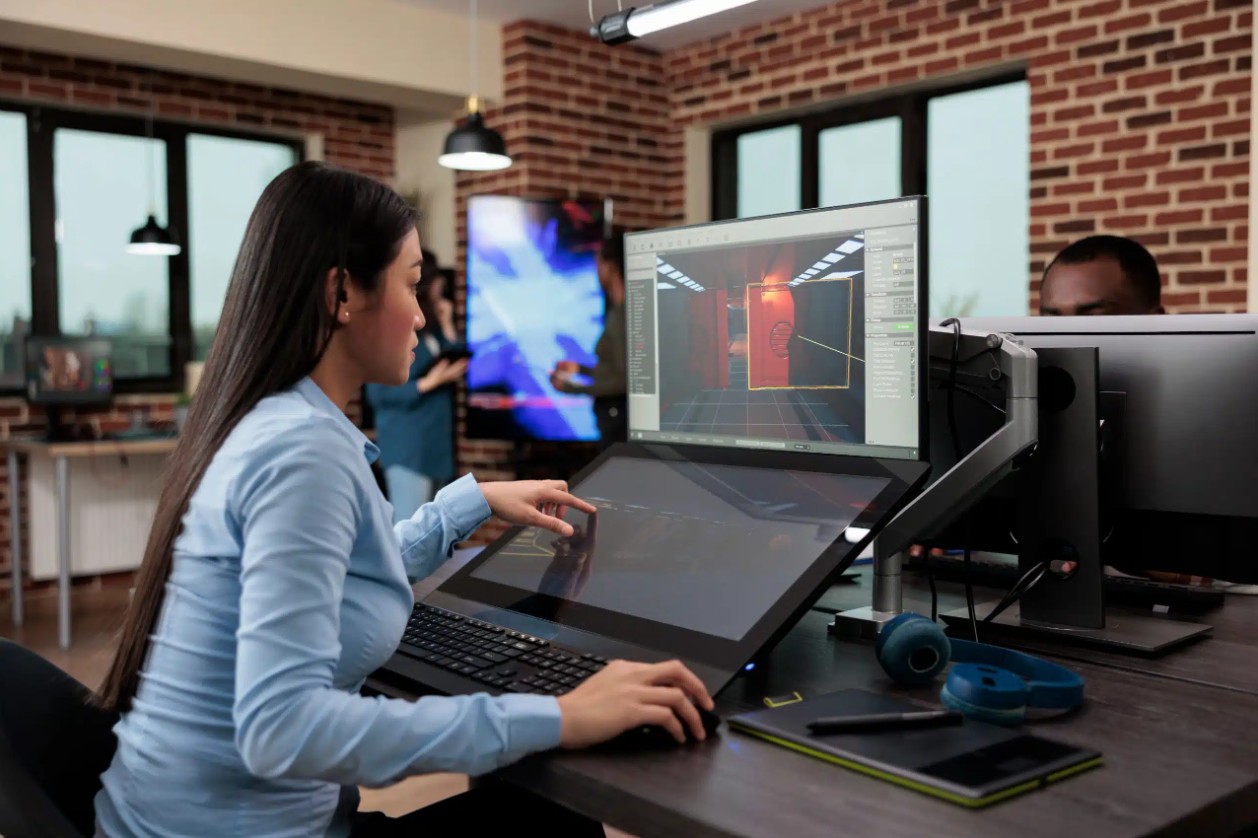
Design is rarely a solitary task. Designers need to work with clients, marketers, developers, and many other departments. The ability to clearly articulate ideas, listen to feedback, and work effectively in a team will greatly determine the success of a project.
2.4 Time and Project Management Skills
Deadline pressure is unavoidable in the design industry. Knowing how to manage time, organize tasks, and monitor progress helps designers work professionally and reduce stress.
3. Design Industry Trends in 2026
2026 marks a period of significant transformation in the design industry, driven by technology and changing user behavior. AI will become a common tool, but human creativity will remain central. Human-centered design, sustainable design, and multi-experience design will be the dominant trends.
Furthermore, the boundaries between design disciplines are becoming increasingly blurred. Designers need to be willing to learn, expand their skills, and think interdisciplinaryly to avoid falling behind.
The design industry in 2026 remains full of potential, but it's no longer an easy path for those who lack seriousness. Opportunities are always available for those with creative thinking, solid skills, and a continuous learning spirit. Whether you choose graphic design, UI/UX, fashion, interior design, or game design, the most important thing is to understand yourself, persevere, and constantly improve your value. Then, design will not only be a profession but also a sustainable and inspiring career.














VIP Products


Best Selling Products
MidJourney Account
29 USD
Upgrade genuine Capture One account
120 USD
Plugin Retouch4me
69 USD
ChatGPT Plus Account (GPT-4)
16 USD
Copyright Adobe Lightroom Account
59 USD
Adobe Premiere Pro Account
99 USD
Freepik Premium Account
59 USD
Windows 10 & 11 Pro Key
36 USD
Genuine Cheap Canva Pro
39 USD
Upgrade Genuine Office 365
49 USD
Genuine Adobe Illustrator account
99 USD
Autodesk All App Account Copyright
120 USD
Capcut Pro 1 Year
39 USD
Adobe Photoshop Copyright - Full App
120 USD
Upgrade Duolingo Super
29 USD