
Best Selling Products
Upgrade genuine Capture One account
120 USD

ChatGPT Plus Account (GPT-4)
16 USD
Capcut Pro 1 Year
39 USD
Copyright Adobe Lightroom Account
59 USD
Adobe Photoshop Copyright - Full App
120 USD

Upgrade Duolingo Super
29 USD
Genuine Cheap Canva Pro
39 USD
Adobe Premiere Pro Account
99 USD
Genuine Adobe Illustrator account
99 USD

MidJourney Account
29 USD
Autodesk All App Account Copyright
120 USD
Upgrade Genuine Office 365
49 USD
Plugin Retouch4me
69 USD

Freepik Premium Account
59 USD
Windows 10 & 11 Pro Key
36 USD
Make Money Online with 5 Top Photo Selling Websites in 2025
Nội dung
- 1. What is a website that sells photos to make money?
- 2. The most reputable websites for selling photos to make money.
- 2.2. Alamy
- 2.4. PhotoShelter
- 2.5. Adobe Stock
- 3. Things to know when selling images to make money online
- 3.1. Finding a Niche Market
- 3.2. Improving image quality
- 3.3. Understanding rights and responsibilities
- 3.4. Active participation and reputation building
- 4. Other ways to make money from photos
Discover how photographers and designers leverage reputable websites to sell their images, from stock photos to printed products, unlocking opportunities for sustainable income.

Businesses, advertisers, publishers, and even individual content creators all need a rich source of high-quality, copyrighted images. This has created a vast market for online image selling platforms, where creators can monetize their visual works. This model not only opens up opportunities for supplemental income but also creates an ecosystem that helps photographers, designers, and creators develop their personal brands in a systematic way.
With the explosion of reputable image selling websites, choosing the right platform has become extremely important. These websites not only provide a place to upload and sell images, but also support creators in managing their portfolios, promoting their products, and reaching potential customers. This article will analyze in detail the top 5 reputable image selling websites , along with guidelines for optimizing online image monetization.
1. What is a website that sells photos to make money?
A website that sells photos for money, also known as a stock photo platform, is where users can upload photos they have taken or created themselves. When customers buy or download these photos, the creator receives a corresponding fee through a payment mechanism managed and distributed by the platform. This fee depends on the quality of the photo, its popularity, and market demand.
These platforms act as trusted intermediaries, ensuring the rights of both buyers and sellers. They allow sellers to focus on creating and optimizing their photo portfolios, while buyers can easily search, compare, and legally use images.
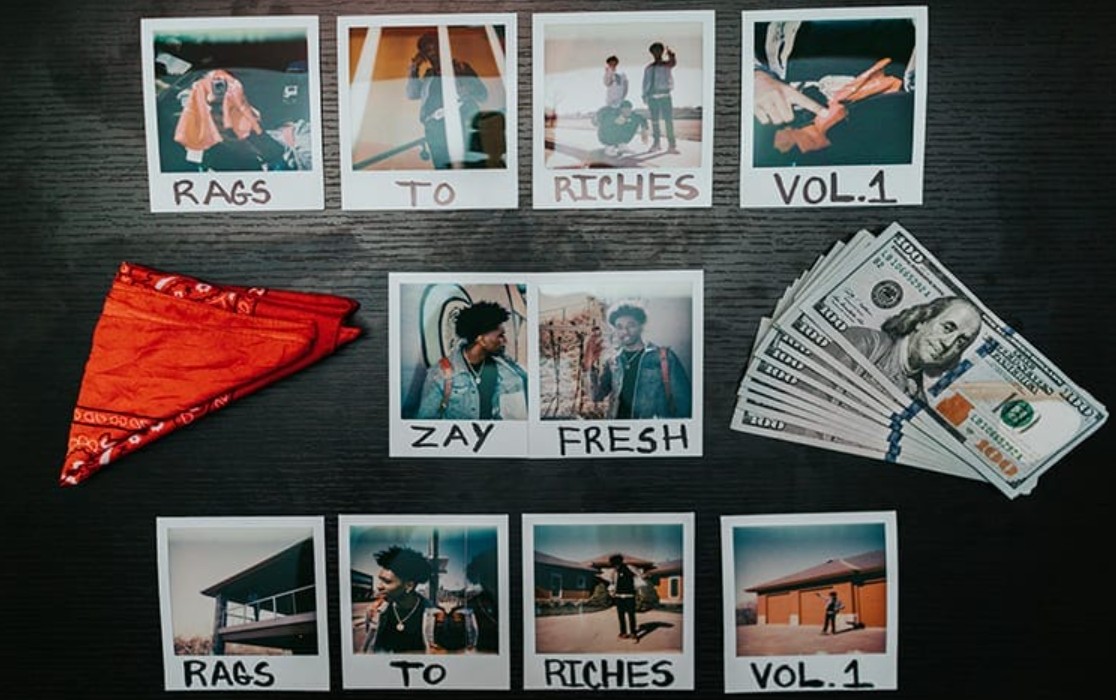
One of the standout advantages of this model is the potential for passive income. Creators can upload photos at any time and receive payment even without directly participating in the transaction process. For those with a good eye for aesthetics and consistent photography skills, selling photos online not only generates income but also helps expand their influence within the global creative community.
On the other hand, this format also requires creators to have a thorough understanding of the market and customer needs. Factors such as keywords, image trends, and technical quality will determine the likelihood of selling photos. Therefore, careful research and building a comprehensive photo catalog are essential for success.
2. The most reputable websites for selling photos to make money.
Currently, there are hundreds of platforms that allow you to sell photos, but only a few are truly reputable and have a comprehensive support ecosystem. Below are five of the top platforms today:
2.1. Shutterstock
Shutterstock is one of the world's largest stock photo platforms, established in 2003. Currently, Shutterstock boasts over 400 million resources including images, videos, vectors, and music. The platform is notable for its intelligent search system, making it easy for users to find suitable images from its vast database.
Contributors on Shutterstock can earn between 15% and 40% of the value of each sale, depending on their level and the number of images sold. Shutterstock also provides revenue tracking tools, trend analysis, and mobile support, helping creators manage their image portfolios effectively.
Shutterstock is particularly well-suited for both beginners and professional photographers due to its global reach and massive customer base, facilitating the maximization of photo sales.
2.2. Alamy
Alamy stands out for its high commission rates and respect for creator rights. The platform pays up to 50% for exclusive photos and 40% for non-exclusive photos, significantly higher than the average for stock photo sites.
Alamy's clients are typically looking for high-quality images for commercial, journalistic, and artistic purposes. Therefore, professional photographers or art photographers often choose Alamy to reach their target audience.
What sets Alamy apart is its very high quality standards and ample creative space, allowing creators to express their individuality through unique works. This makes Alamy a high-end market, suitable for those who want to build a personal brand in the field of professional photography.

2.3. iStockPhoto
iStockPhoto is a subsidiary of Getty Images, one of the largest global corporations in photo and video distribution. iStockPhoto provides a system that allows sellers to earn between 15% and 45% of the value of each image upload, depending on the license and exclusivity.
iStock focuses on corporate clients, advertisers, and multinational corporations, helping your images reach a broad and high-potential market. The "exclusive contributor" program also offers higher commission rates if you commit to selling only your photos on iStock.
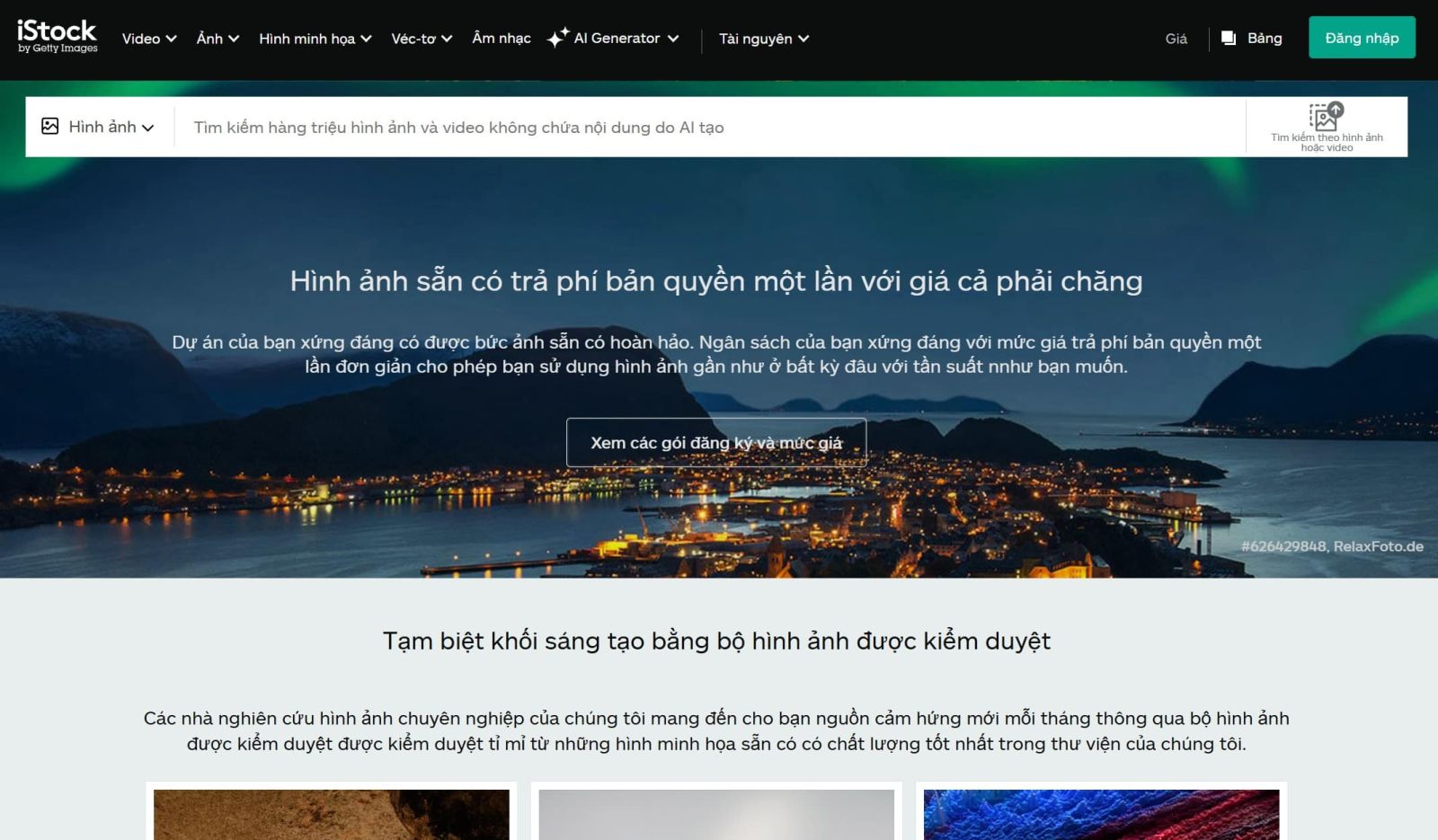
Additionally, iStock provides detailed statistics and reporting tools on search trends for images, helping creators plan and optimize their image portfolios more effectively.
2.4. PhotoShelter
PhotoShelter offers a self-managed copyright model, allowing creators to build their own photo selling websites while still utilizing the platform's storage, payment, and security infrastructure. Creators have full control over pricing their products and receive up to 92% of the profits after transaction fees are deducted.
PhotoShelter is particularly suitable for professional photographers who want to build their personal brand instead of joining a crowded marketplace. The platform also integrates marketing tools, email lists, online collections, automatic watermarks, and the ability to customize the interface to suit personal style. It's a comprehensive photography management and business ecosystem, not just a place to sell photos.
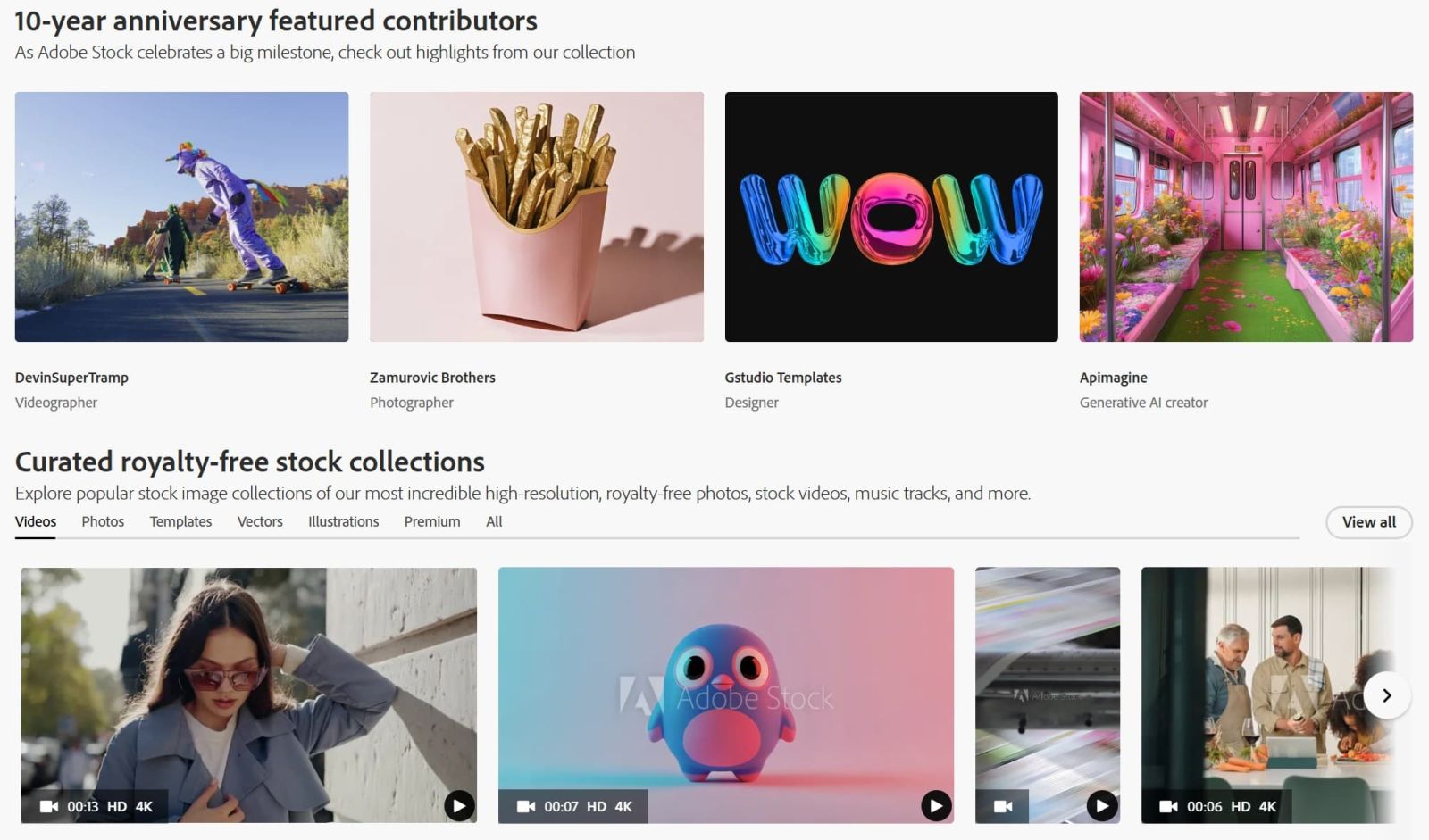
2.5. Adobe Stock
Adobe Stock stands out for its deep integration with the Adobe ecosystem, including Photoshop, Illustrator, Premiere Pro, and After Effects. Images uploaded to Adobe Stock automatically appear in these applications, allowing creators to reach clients while they are working.
The average commission is 33% per download, and the contributor registration process is simple. Adobe Stock also supports AI-generated images under a transparent policy. This opens up opportunities for creators to combine traditional photography techniques with AI technology to generate dual revenue streams.
3. Things to know when selling images to make money online
Although selling photos may seem simple, creating a stable income requires a well-structured strategy for creators. Here are some important principles.
3.1. Finding a Niche Market
To stand out, creators need to identify a niche market and focus on high-demand but low-competition topics. For example, instead of generic landscape photography, they could focus on Vietnamese culture, Asian cuisine, or minimalist lifestyles. Keyword research through Google Trends, Shutterstock Keyword Tool, or Adobe Stock Insights will help you understand market trends and demand.
3.2. Improving image quality
Technical quality determines the potential for successful photo sales. Creators need to constantly update their shooting techniques, lighting, and post-processing, while also optimizing metadata, titles, and keywords. A beautiful photo with the wrong keywords will be difficult to find, leading to low revenue.
3.3. Understanding rights and responsibilities
Each platform has different policies regarding ownership and copyright. Creators need to understand model release rights, property release rights, as well as concepts like exclusive, non-exclusive, royalty-free, and creative commons. Understanding these rights helps protect oneself and build credibility within the community.
3.4. Active participation and reputation building
Regular interaction, updated catalogs, and quick customer responses will help your photos display better on platforms. Participating in photo contests, forums, and professional communities also helps build credibility, expand your network, and increase your chances of successfully selling your photos.
4. Other ways to make money from photos
Besides selling photos on a website, there are many other ways to leverage your photography skills.
Offer print and physical products: Creators can sell prints or print their images onto products such as t-shirts, mugs, canvas bags, and calendars. Popular themes include landscapes, animals, architecture, and abstract art. This presents an opportunity to expand the market and diversify revenue streams.
Becoming a freelance photographer: Freelancing opens up opportunities to earn money from on-demand photography. Popular areas include wedding photography, personal portraits, and wildlife. Freelancers earn money not only from their photos but also from their time, skills, and expertise, helping to build a stable and long-term income stream.
Selling photos online has become a legitimate profession, opening opportunities for both beginners and professional photographers. Platforms like Shutterstock, Alamy, iStockPhoto, PhotoShelter, and Adobe Stock not only help creators earn money but also support brand building and effective portfolio management.
To succeed, creators need to understand the market, improve image quality, be aware of their rights, and actively participate on the platform . Simultaneously, combining other forms of activity such as print and freelancing will help maximize income and build long-term credibility in the photography industry.













VIP Products

Best Selling Products
Upgrade genuine Capture One account
120 USD
ChatGPT Plus Account (GPT-4)
16 USD
Capcut Pro 1 Year
39 USD
Copyright Adobe Lightroom Account
59 USD
Adobe Photoshop Copyright - Full App
120 USD
Upgrade Duolingo Super
29 USD
Genuine Cheap Canva Pro
39 USD
Adobe Premiere Pro Account
99 USD
Genuine Adobe Illustrator account
99 USD
MidJourney Account
29 USD
Autodesk All App Account Copyright
120 USD
Upgrade Genuine Office 365
49 USD
Plugin Retouch4me
69 USD
Freepik Premium Account
59 USD
Windows 10 & 11 Pro Key
36 USD