Best Selling Products

Upgrade Genuine Office 365
49 USD

Upgrade genuine Capture One account
120 USD

Adobe Photoshop Copyright - Full App
120 USD

Genuine Adobe Illustrator account
99 USD

Autodesk All App Account Copyright
120 USD

MidJourney Account
29 USD

Windows 10 & 11 Pro Key
36 USD

Adobe Premiere Pro Account
99 USD

ChatGPT Plus Account (GPT-4)
16 USD

Capcut Pro 1 Year
39 USD

Freepik Premium Account
59 USD

Genuine Cheap Canva Pro
39 USD

Plugin Retouch4me
69 USD

Upgrade Duolingo Super
29 USD

Copyright Adobe Lightroom Account
59 USD
Nostalgia Through the Lens: Why Vintage Never Goes Out of Style?
Nội dung
- 1. Learn about classic photography.
- 2. Classical photography styles across different eras
- 2.1. Early period: 1827 – late 19th century
- 2.2. The 20th Century and the Dominance of Black and White Photography
- 2.3. The 1950s – 1960s: The Golden Age of Color Photography
- 2.4 The 1970s and 1980s: The Rise of Polaroid
- 2.5. The 1990s – early 2000s: 35mm film and vibrant analog color.
- 3. Four tips to create a vintage feel in modern photography.
- 3.1. Colors fade
- 3.2. A little blurry
- 3.3. Using antique props
- 3.4. Monochromatic
Although technology has ushered us into the age of AI and hyper-realism, vintage photography still retains its unique appeal. The tranquility of the past allows viewers to connect with genuine emotions. This is an in-depth analysis of the enduring value of classic style.
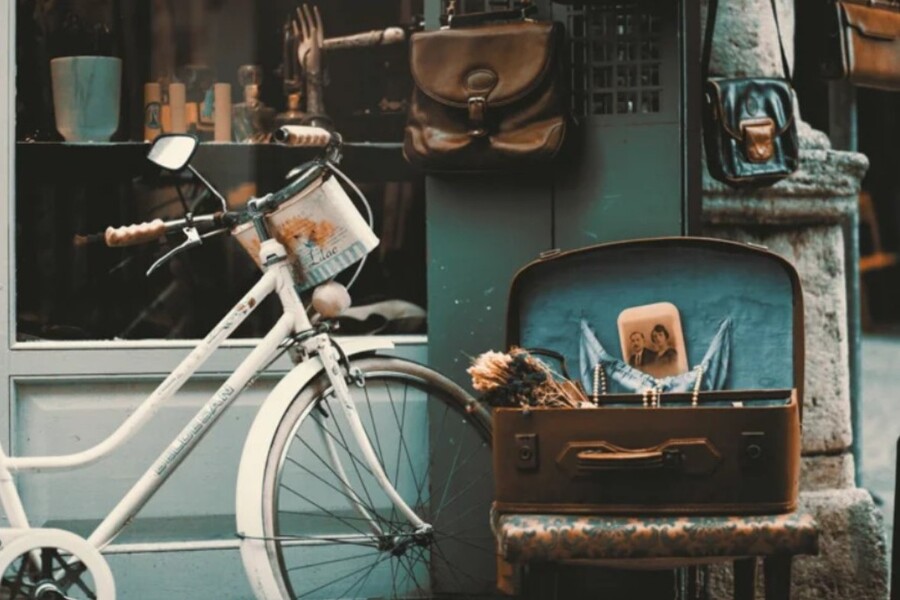
Classical photography, also known as vintage style, is not just about recreating the colors or techniques of the past, but also about infusing nostalgic emotions into each frame. Anyone who has ever tried to recreate the analog film tones, the light wash effects, the soft and imperfect lines of old photographs understands that behind that "outdated" appearance lies a world of incredibly refined aesthetics.
This article will help you delve into the essence of vintage photography: from its definition, history, and color characteristics to methods for creating a vintage style in modern photography. We will explore why vintage photos have become such an enduring trend, even as technology continues to move us toward the future.
1. Learn about classic photography.
The term "vintage" is used to describe items, styles, or techniques that are between 10 and 100 years old. Anything older than that is considered "antique." In photography, vintage isn't about using old equipment, but rather about recreating the aesthetic characteristics of images from previous decades.
Vintage photographs often bear the distinctive mark of time. Colors are faded, slightly yellowish or pinkish. Contrast is lower than in modern photos. Details are often not sharp but rather blurry due to the limitations of old cameras or the aging of the image over time. However, it is precisely these "flaws" that create an irresistible allure. Each color tone seems to tell its own story, evoking feelings of nostalgia, regret, and sometimes even the romanticism of a bygone era.
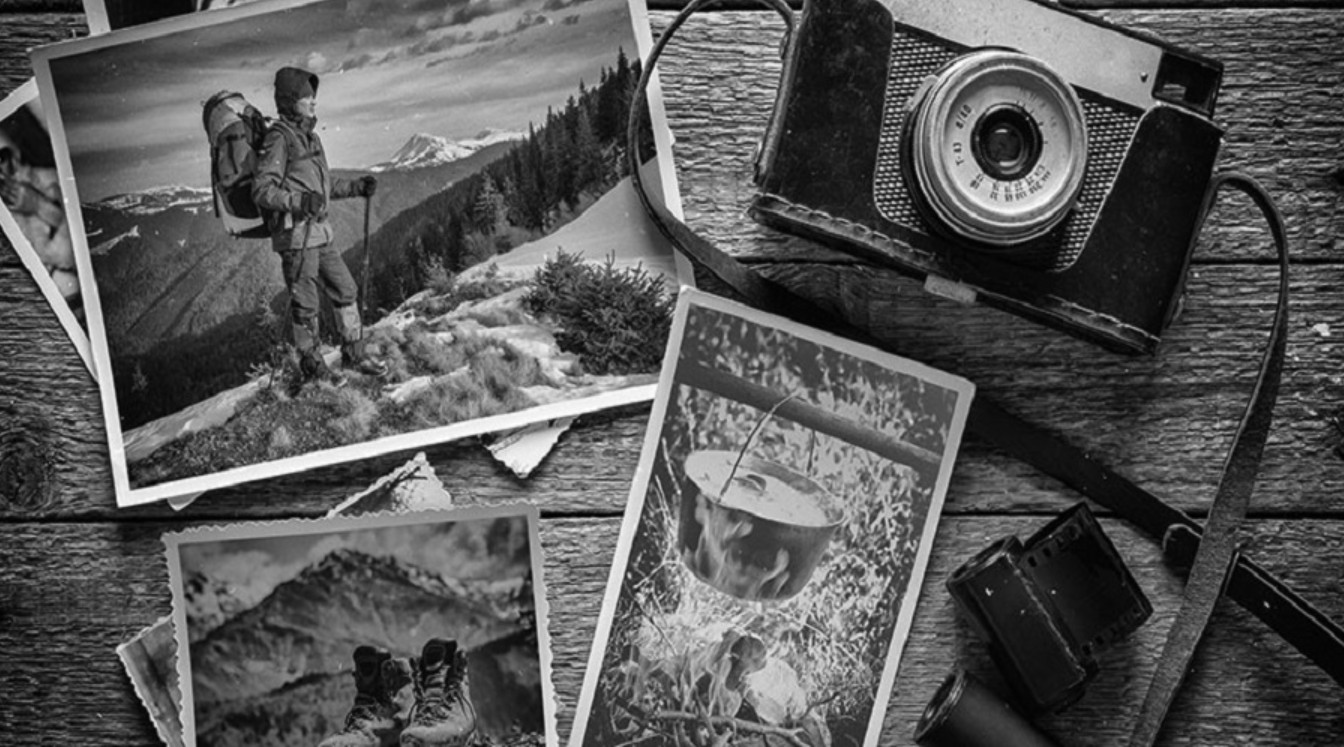
Vintage photography styles are also very diverse. Depending on your approach, you can recreate images from vintage photos of 20–50 years ago, or go further back to the early black-and-white era. Each period possesses its own aesthetic nuances, from the yellow tones of Kodachrome film in the 1950s to the warm pink hues of color photos in the 1970s or the rough lines of Polaroid instant photos.
The essence of vintage photography lies not in the age of the photograph but in the feeling it evokes—a sense of nostalgia, serenity, and tranquility. When combined with a modern context, vintage photography becomes a unique bridge through time, both familiar and fresh.
2. Classical photography styles across different eras
The history of photography is a long journey with many interesting milestones. Understanding the development of techniques and styles through the ages will help you more accurately reproduce classic aesthetic forms.
2.1. Early period: 1827 – late 19th century
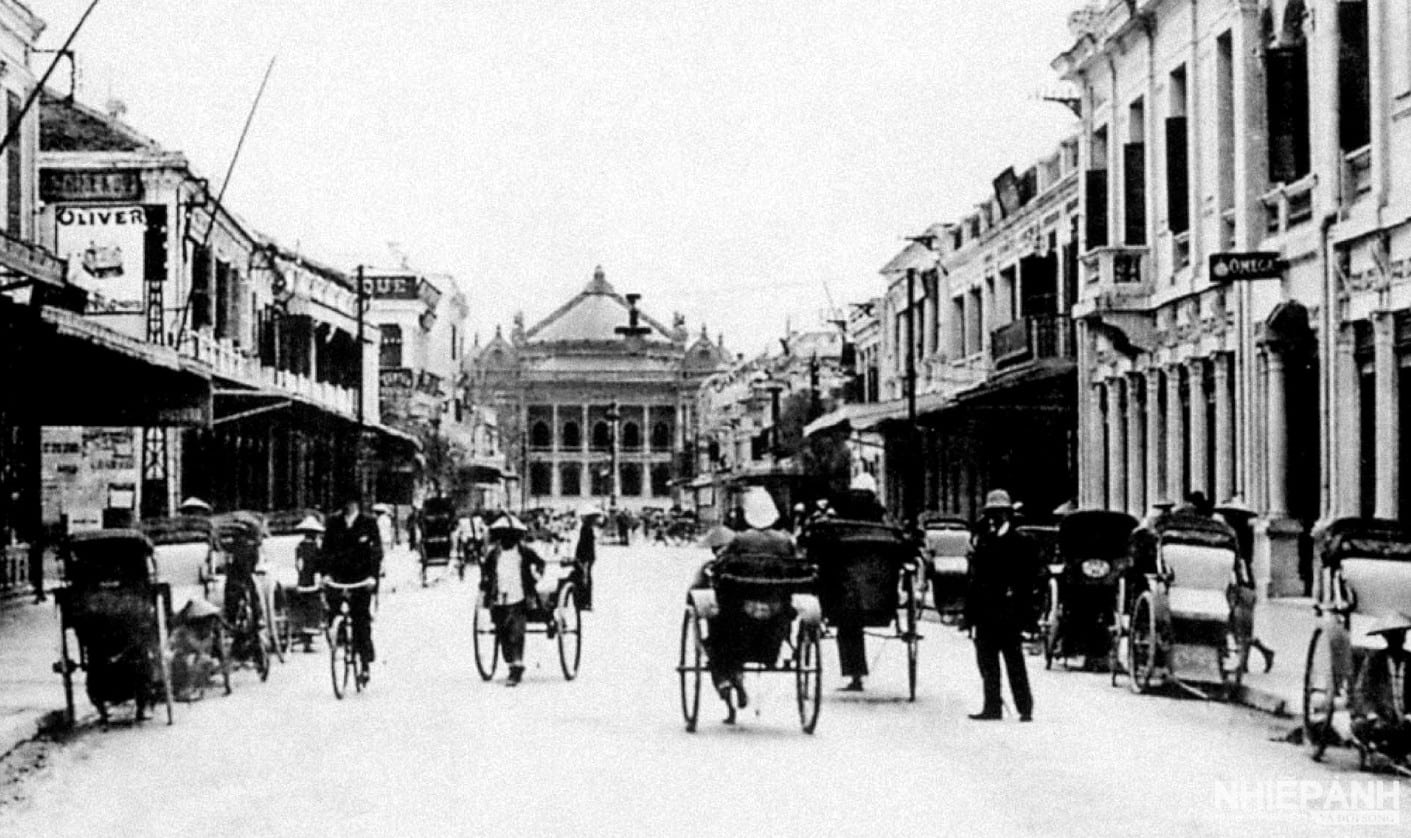
The first photograph was taken in 1827 by Joseph Nicéphore Niépce, capturing a rural house in France. It was a rudimentary black-and-white photograph, requiring many hours of exposure and only showing the basic shapes and forms. During this period, photography was completely devoid of color. Color correction techniques didn't even exist.
However, it is precisely this monochromatic quality that creates timeless beauty. 19th-century photographs often feature high contrast, many dark areas, and harsh lighting, creating a powerful yet mysterious feel. When recreating this period, modern photographers often use classic grayscale tones combined with film grain to mimic the raw, thick, and deep quality of the images.
2.2. The 20th Century and the Dominance of Black and White Photography
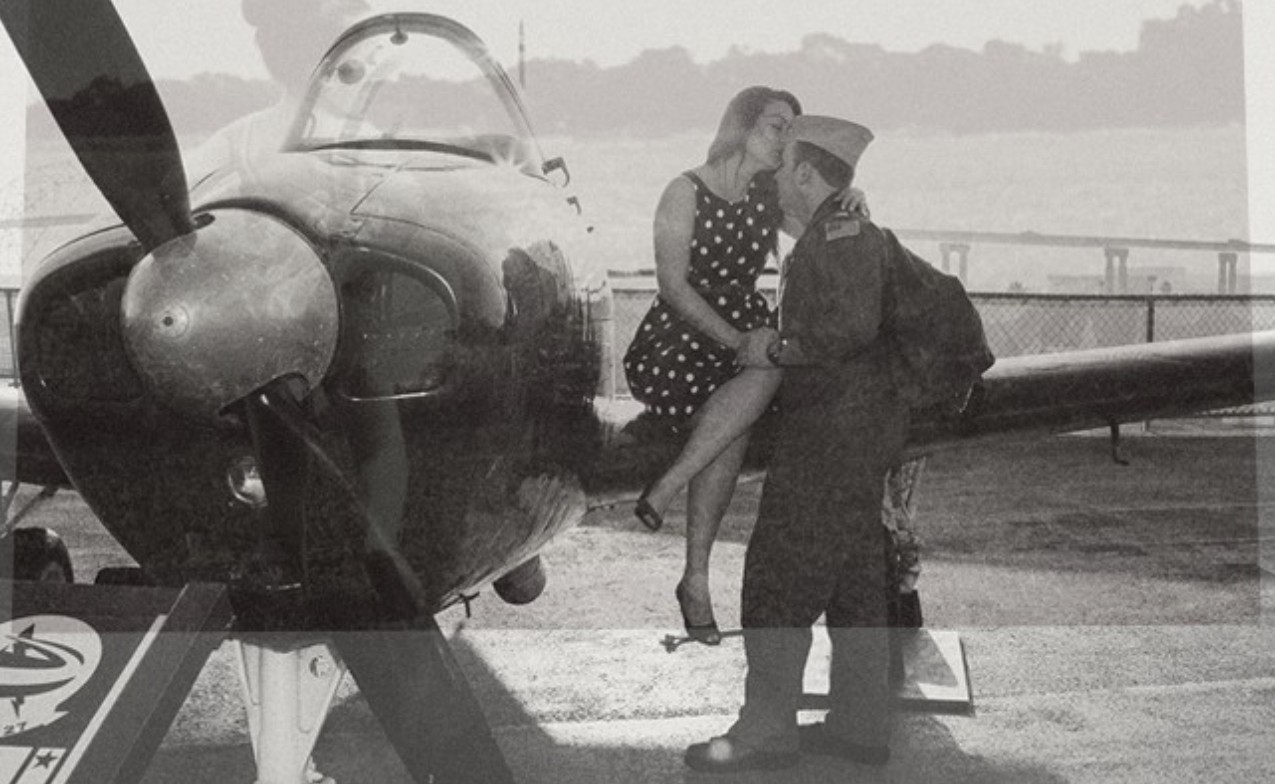
For almost the first half of the 20th century, black and white photography remained dominant. Photographers such as Henri Cartier-Bresson and Ansel Adams shaped the visual language of photography with their exceptional ability to play with light and shadow. Photographs from this period were sharper than those of the 19th century, but still retained some of the raw simplicity of halide film.
Classic black and white photography is considered the foundation of art photography. While not entirely "retro," it is often used as a form of vintage inspiration. Today, many photo editing apps mimic the film grain, exposure balance, and fade of black and white photos from this era.
2.3. The 1950s – 1960s: The Golden Age of Color Photography
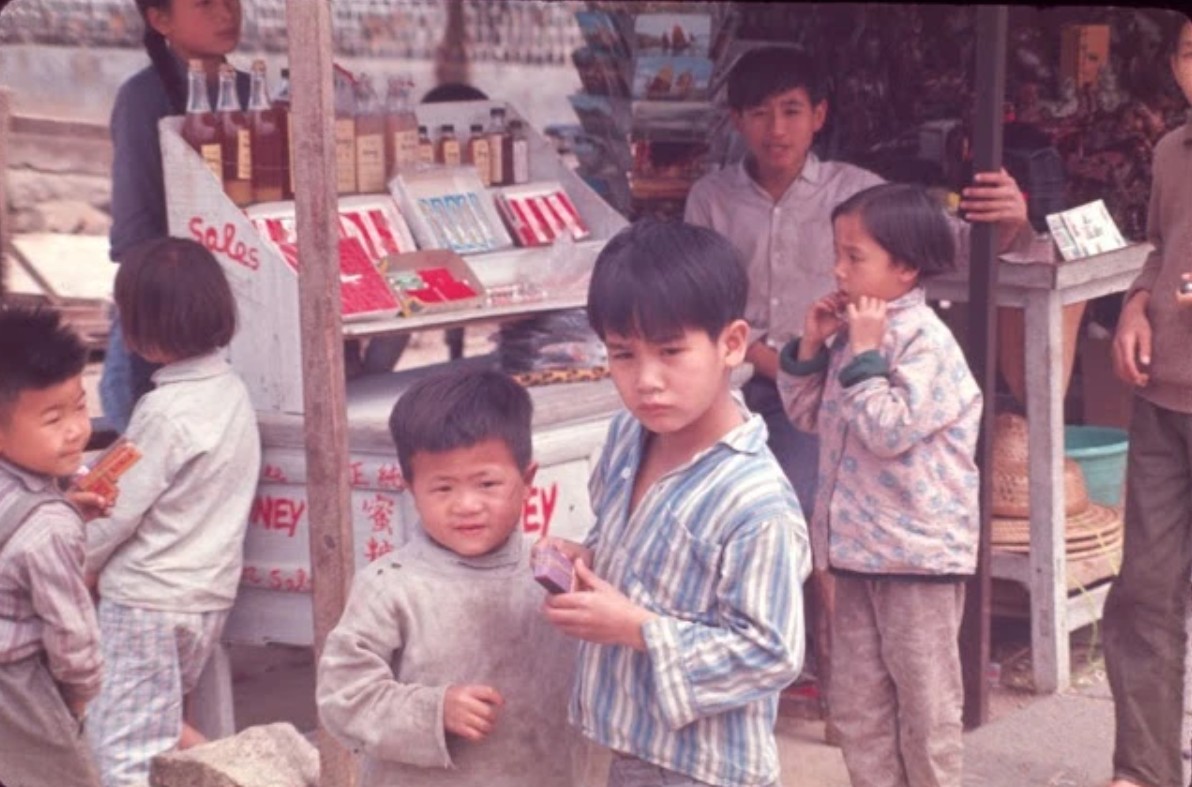
This was the period when color photography began to boom, ushering in a major revolution in the world of photography. Color film technology at the time was not yet perfect, so the colors in the photos often tended to have a yellowish or pinkish tint. This color inaccuracy inadvertently created a unique aesthetic style that remains popular to this day.
Family photos from the 1950s and 60s are often gentle and warm. The angles are slightly rounded, the colors are soft, and the saturation is low. In particular, Kodachrome and Fujicolor films create striking color palettes such as pale yellow, crimson red, and pastel blue.
2.4 The 1970s and 1980s: The Rise of Polaroid
This period marked the popularization of instant photography. Polaroid became an icon of the era with its distinctive white frame and soft, muted colors. Polaroid photos often had a pink and yellow tone similar to photos from the 1960s, but were softer, blurrier, and felt more "natural" because they were taken quickly and without editing.
Today, many Polaroid-inspired filters have become a major trend in apps like Instagram, VSCO, and Lightroom. A characteristic of Polaroid photos is their "spontaneous," "spontaneous" feel, creating a sense of intimacy and authenticity.
2.5. The 1990s – early 2000s: 35mm film and vibrant analog color.
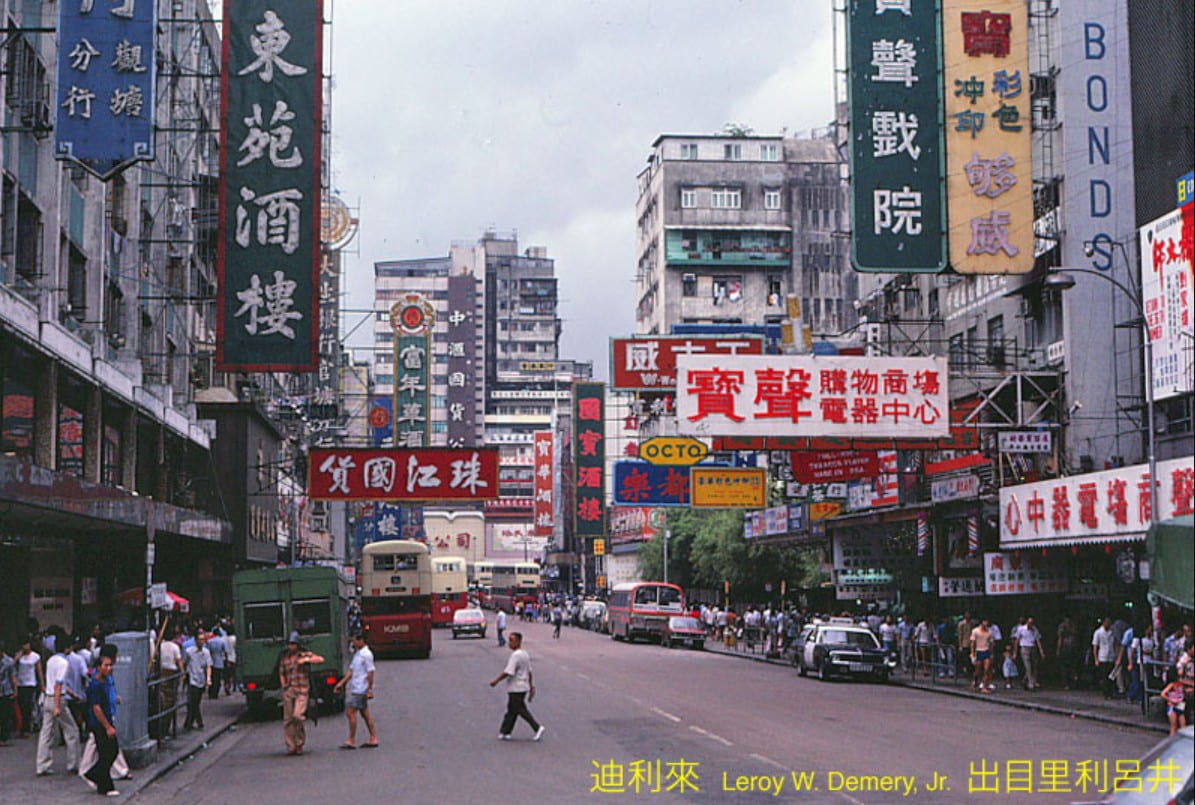
This was the period when 35mm film became more popular than ever. Photos from this era had high contrast, more vibrant colors, and clearer film grain. If you want to recreate the vintage style of this decade, you can focus on the grain and the blue-orange tones often seen in Fuji or Kodak film.
Overall, each period has left its own mark on classical photographic aesthetics. Understanding these characteristics will help you reproduce them more accurately in modern composition.
3. Four tips to create a vintage feel in modern photography.
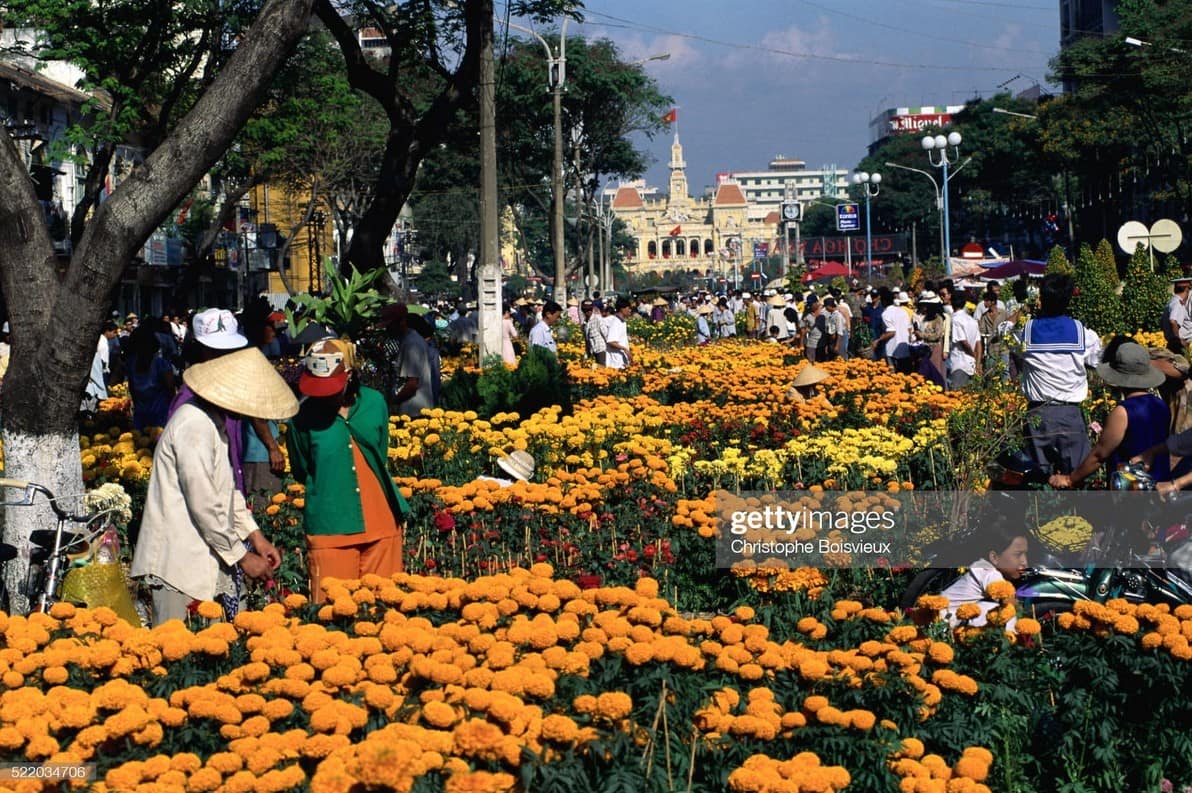
Vintage photography is not just about recreating old colors, but a combination of technique and emotion. Below are four key methods to help you build a vintage style for your photos, even when using modern equipment.
3.1. Colors fade
The first thing about vintage photos is color. As time passes, film photos are affected by light, humidity, chemicals, and the storage environment, causing the colors to fade and become yellowish. Old photo albums in family cupboards always contain photos with a characteristic pale yellow tone, sometimes with streaks or uneven areas of light and shadow.
To recreate this effect, you can reduce the contrast and saturation of the image. This slight reduction makes the image softer, more hazy, and gives it a "natural aging" feel. Some people also like to slightly increase the red or orange tones to mimic Kodachrome film colors, while pale pink tones evoke the feeling of 1960s photography.
The fading colors not only evoke a sense of time but also bring a feeling of peace and tranquility. These color tones help to make the image less cold and more emotional, suitable for subjects such as portraits, still lifes, and nostalgic landscapes.
3.2. A little blurry
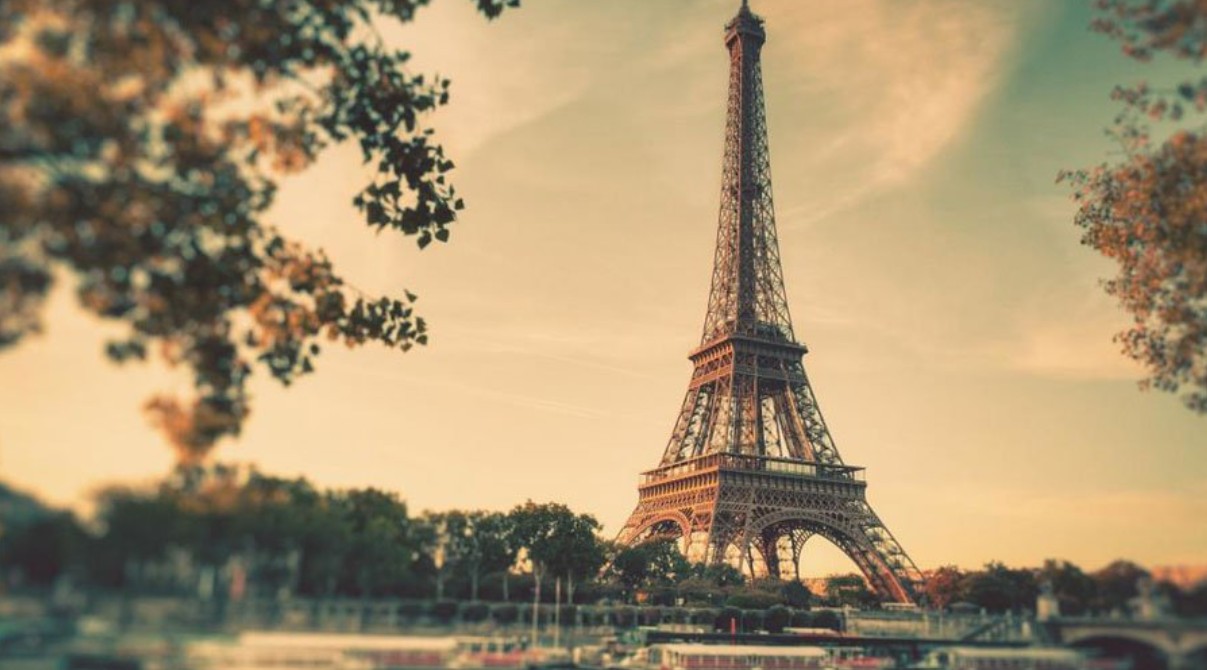
Older cameras, especially those from the last century, lack the precise focusing capabilities of modern digital cameras. Low resolution, poor quality glass, and the chemical processing of the image often result in slightly blurry or uneven detail.
Nowadays, with all devices offering high sharpness, intentionally reducing the sharpness of an image has become a way to recreate a vintage style. Simply increasing the blur slightly or reducing the sharpening can make a photo appear "less perfect" in a very artistic way. A little blur creates a dreamy, gentle feeling, like looking through a memory.
Many photographers also combine blurring effects with fades to create the feeling of old film losing detail. This is a very popular trend in film simulation filters from VSCO, RNI, or Lightroom.
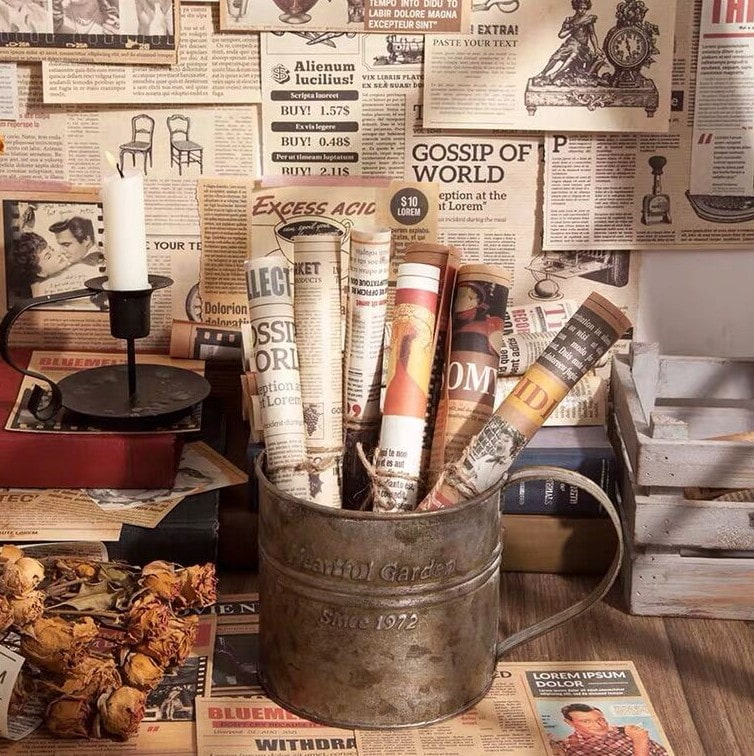
3.3. Using antique props
Vintage style doesn't always require elaborate color effects. Sometimes, just a few objects that evoke the past are enough to make a photo look classic.
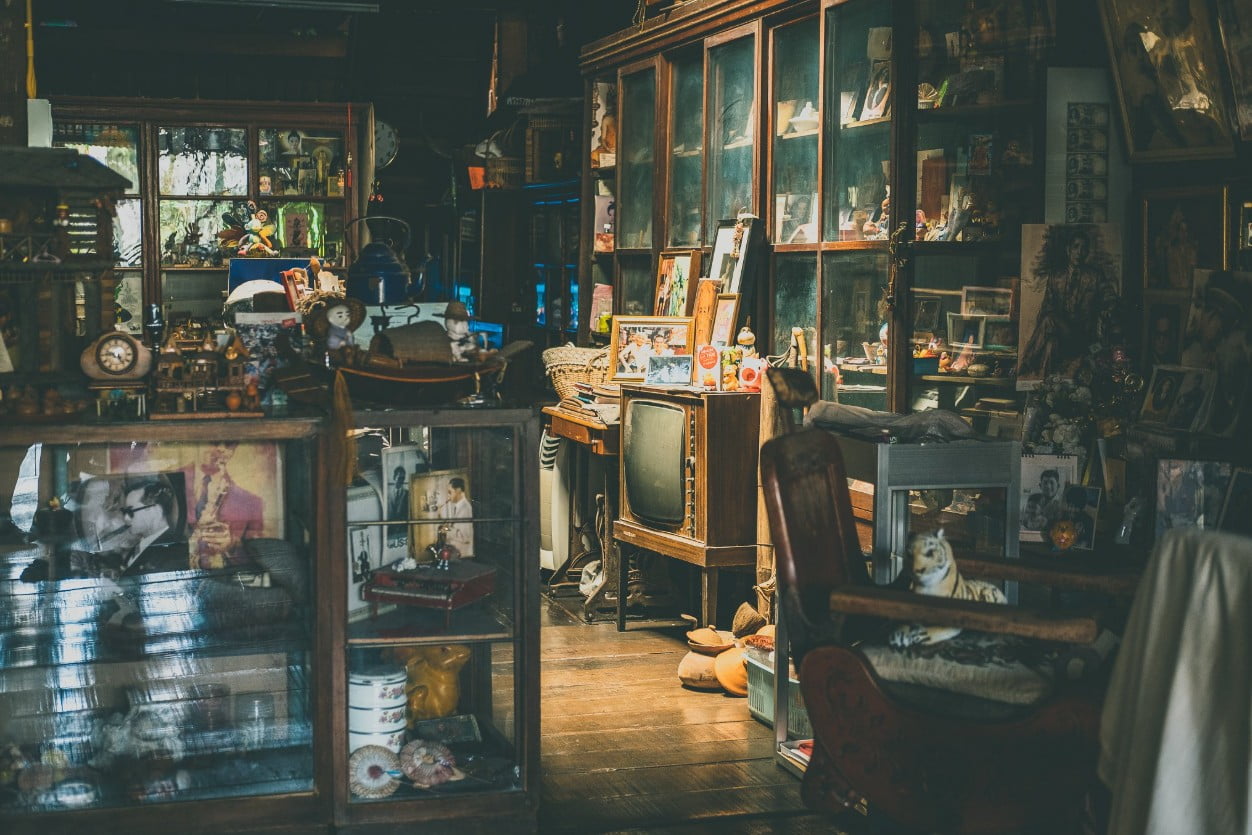
An old radio, a rotary dial telephone, a typewriter, a pocket watch, an old film camera, or even a worn-out hardcover book… all have the ability to transport the viewer back to previous decades. When these props are placed in a modern context, the contrast between old and new creates an interesting feeling. It's a blend of time, making the photograph both classic and contemporary.
In product, fashion, or art photography, antique props always play an important role in evoking emotion. A worn-out painted wooden chair, an old porcelain teacup, or a vintage lace scarf… can all become special focal points.
3.4. Monochromatic
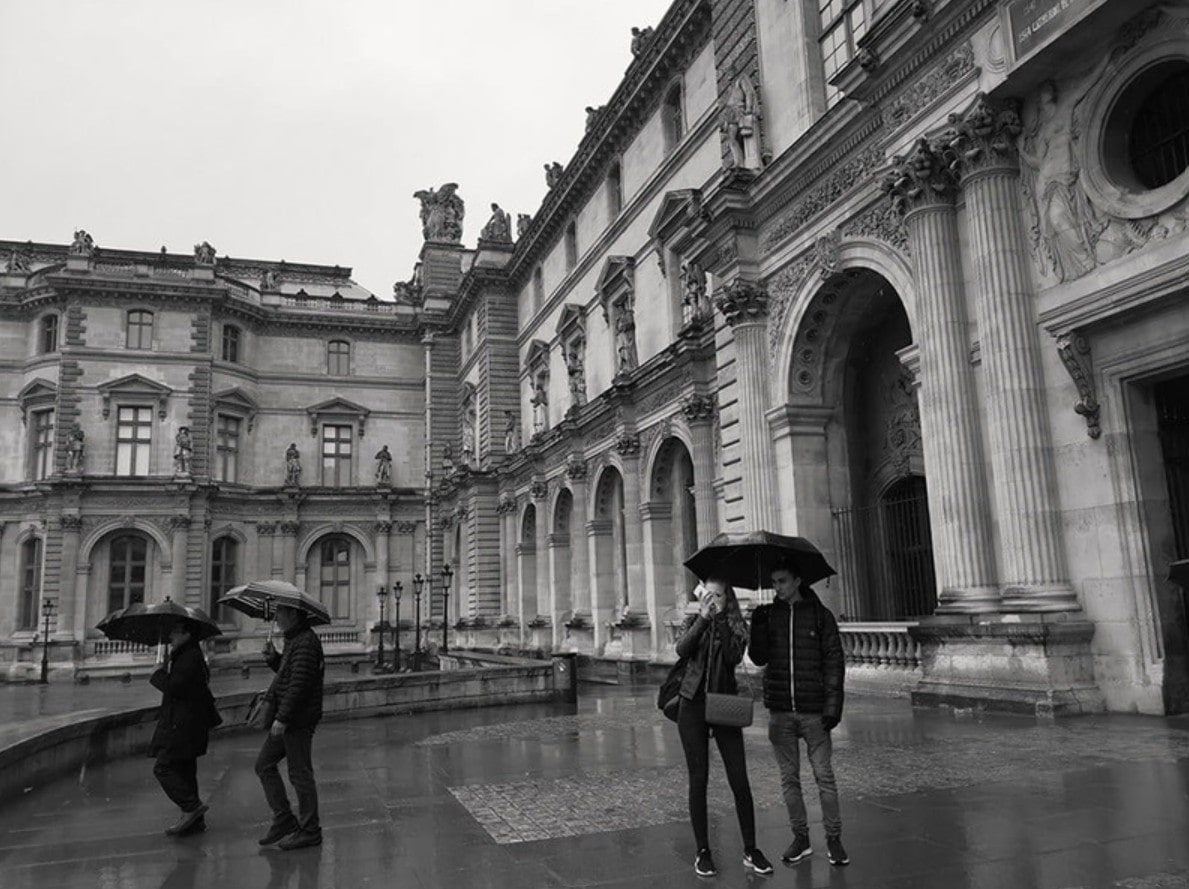
Monochrome photos aren't strictly vintage, but the removal of all color gives them a timeless feel. No matter how modern the subject matter—like office workers, children, or smartphone users—converting them to black and white gives them a certain classic charm.
Monochrome photos emphasize light, form, and emotion rather than color. This helps viewers focus more on the subject. If you want your black and white photos to have an even more vintage feel, you can increase grain, soften the edges, or add a subtle vignette effect.
Vintage photography is not just about aesthetics, but also about emotion. It's a journey to rediscover values forgotten by time, a harmony between the past and present in every frame. While modern photography technology offers superior perfection, it is precisely the "imperfections" of vintage photos that touch the viewer's heart even more.





















VIP Products








Best Selling Products
Upgrade Genuine Office 365
49 USD
Upgrade genuine Capture One account
120 USD
Adobe Photoshop Copyright - Full App
120 USD
Genuine Adobe Illustrator account
99 USD
Autodesk All App Account Copyright
120 USD
MidJourney Account
29 USD
Windows 10 & 11 Pro Key
36 USD
Adobe Premiere Pro Account
99 USD
ChatGPT Plus Account (GPT-4)
16 USD
Capcut Pro 1 Year
39 USD
Freepik Premium Account
59 USD
Genuine Cheap Canva Pro
39 USD
Plugin Retouch4me
69 USD
Upgrade Duolingo Super
29 USD
Copyright Adobe Lightroom Account
59 USD