Best Selling Products

Freepik Premium Account
59 USD

ChatGPT Plus Account (GPT-4)
16 USD

MidJourney Account
29 USD

Upgrade Genuine Office 365
49 USD

Autodesk All App Account Copyright
120 USD

Upgrade Duolingo Super
29 USD

Genuine Cheap Canva Pro
39 USD

Windows 10 & 11 Pro Key
36 USD

Adobe Premiere Pro Account
99 USD

Adobe Photoshop Copyright - Full App
120 USD

Capcut Pro 1 Year
39 USD

Genuine Adobe Illustrator account
99 USD

Plugin Retouch4me
69 USD

Copyright Adobe Lightroom Account
59 USD

Upgrade genuine Capture One account
120 USD
Tips for protecting your camera while traveling: Safe, Gentle, and Effective
Nội dung
A great trip is incomplete without beautiful photos, and to achieve that, your equipment needs proper protection.
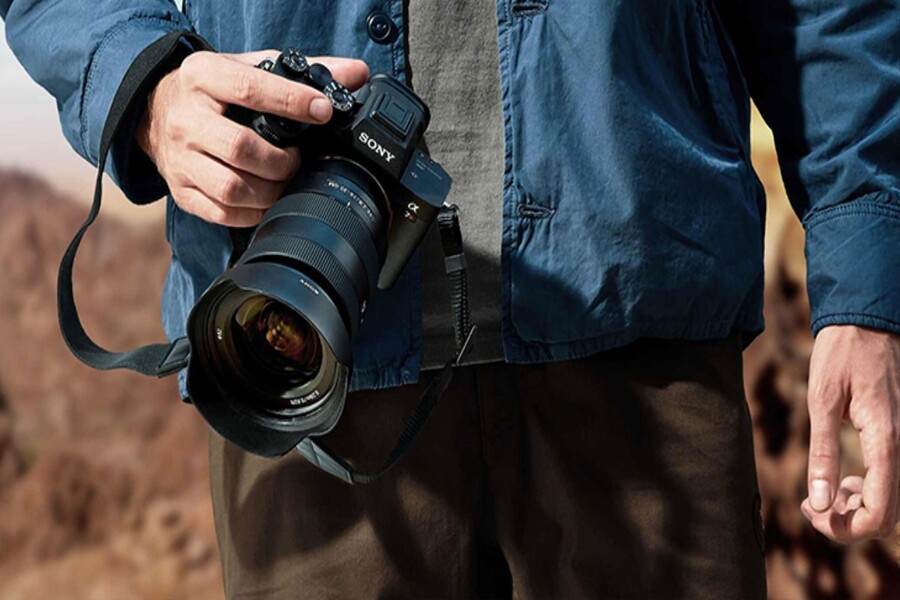
Cameras are sophisticated, sensitive devices that can easily be damaged if not properly cared for. Factors such as sea breezes, sand, humidity, intense sunlight, or even vibrations during transport can threaten their lifespan. A single grain of sand getting into the lens is enough to cause the focusing system to jam. Accidental exposure to water can lead to short circuits. Prolonged dampness can also cause mold to appear and silently damage the lens coating.
Therefore, properly protecting your camera while traveling is not just a habit, but also a crucial skill that anyone who loves photography should master. It not only helps the camera function reliably and minimizes malfunctions, but also ensures you're always ready to capture the most beautiful photos whenever you need them. This article will summarize effective camera protection methods suitable for various conditions, from beach trips and mountain excursions to trekking and longer journeys. See if you've been taking care of your camera correctly.
1. Protect your camera with a separate camera bag or backpack.
Cameras are delicate devices and need to be stored in a well-controlled environment. Protecting your camera with a dedicated bag, camera backpack, or waterproof case is the first and most important step, especially when you're going to the beach.
A professional camera bag will help reduce the risk of your camera being bumped, scratched, or getting wet. For beach trips, a waterproof bag is even more essential. You can choose a bag with a waterproof coating, or one designed with a soft interior compartment to protect the camera body and lens from impacts.
Sometimes, when you don't have a dedicated waterproof bag available, a plastic bag or ziplock bag can be a lifesaver. Simply place your camera in a ziplock bag, seal it tightly, and put it inside a regular camera bag for a temporary layer of protection. This is especially useful when you're near the water's edge where waves might splash, or when children are playing and splashing water around.
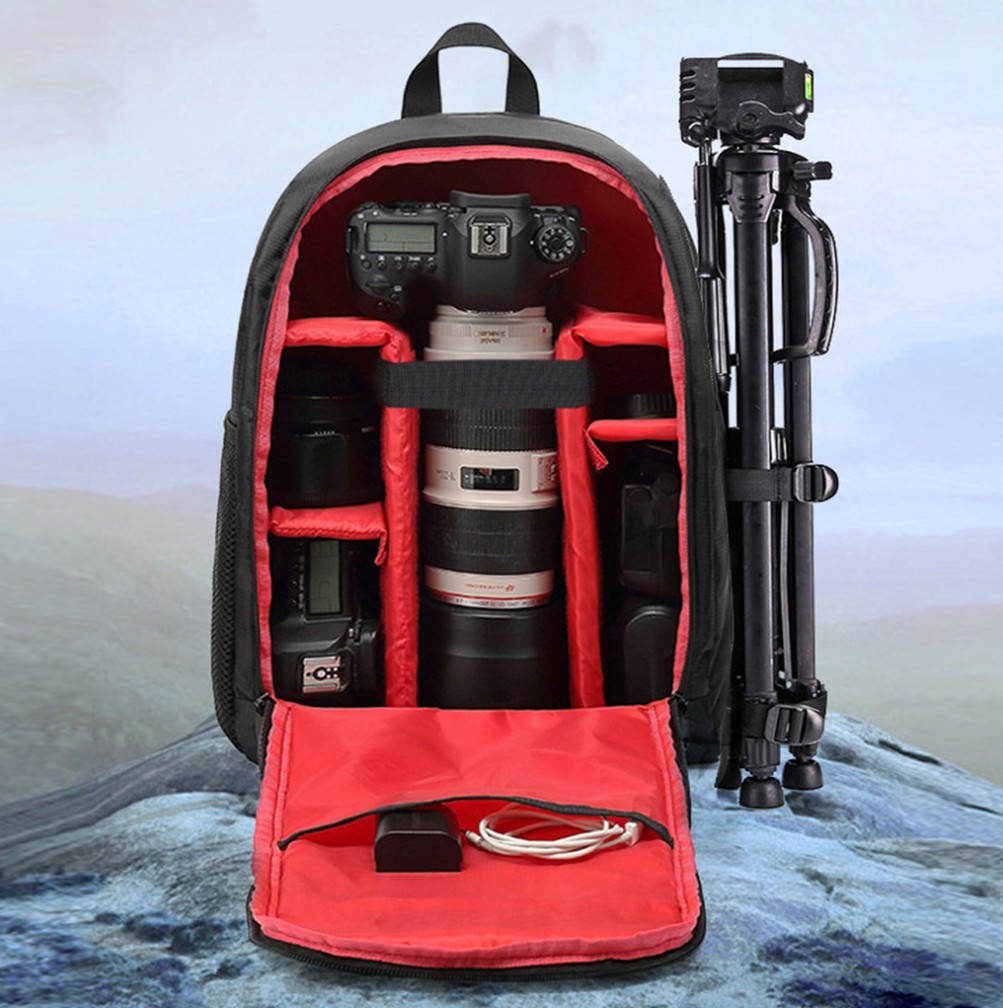
Besides camera bags, camera backpacks play a crucial role in organizing and protecting equipment. When traveling, bring only the right number of lenses instead of too many. If you prefer interchangeable lens cameras, keeping the number down will make your backpack lighter and you won't have to carry too much equipment at once. This not only reduces risks but also gives you more flexibility when traveling.
Inside the backpack, equipment needs to be neatly organized and securely fastened using specialized foam compartments. Avoid leaving too much empty space, as vibrations during movement can cause equipment to collide with each other. Lenses with built-in image stabilization are even more susceptible to damage from strong impacts. Proper securing within the backpack not only prevents damage but also extends the lifespan of the lens components.
2. Bring a dehumidifying box to protect your camera.
Humidity is a dangerous enemy of cameras, especially when traveling to the beach, hiking in the forest, climbing mountains, or visiting places with high humidity. Moisture from the air can seep into the camera body, affecting the circuit board, slowing down response speed, or even causing short circuits and fires. For lenses, humidity creates ideal conditions for mold growth, damaging the lens coating and causing permanently blurry images.
When traveling in rainy, humid weather or near the sea, protecting your camera is essential. Keep it in a dedicated moisture-proof bag or use a portable dehumidifying box. Compact dryboxes are a good option as they don't require electricity and are easy to carry anywhere. You can place your camera in the box when not in use, especially during travel by car, train, or overnight stays.
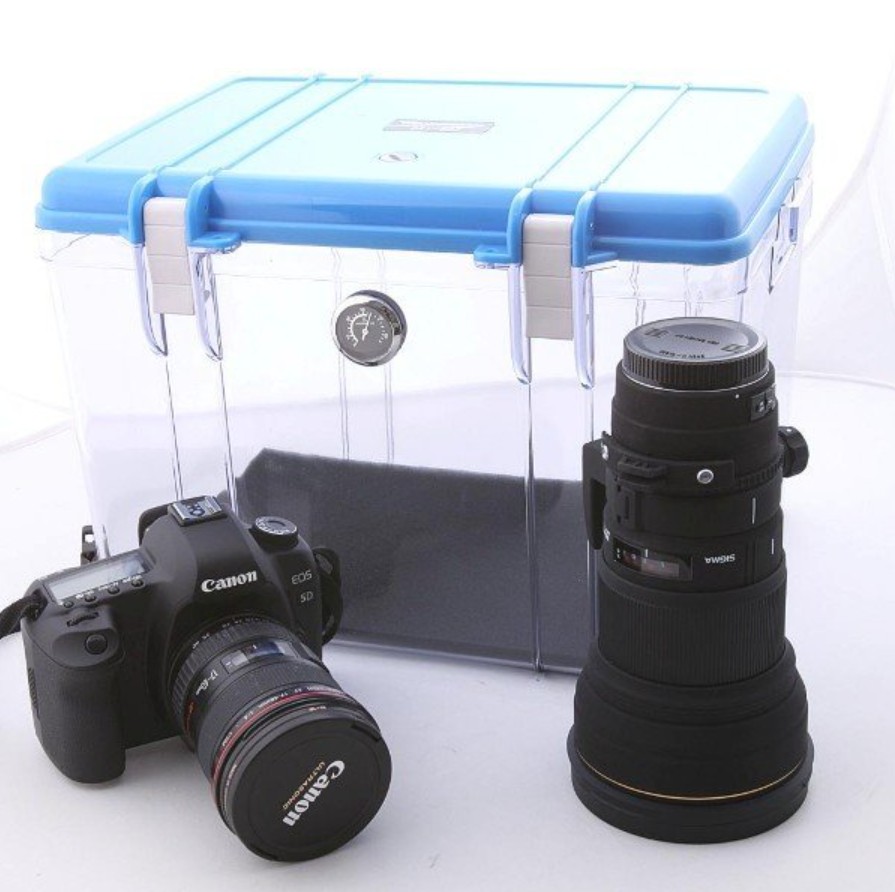
After a long trip, cameras need to recover in a stable environment. This is where a dehumidifying cabinet comes in handy. Dehumidifying cabinets help maintain ideal humidity levels of 40–50%, just enough to protect the camera from mold but not so dry as to damage rubber parts. Many types of cabinets are available on the market, from those with mechanical knobs to modern electronic models with safety locks.
If you don't have the means to buy a dehumidifying cabinet or specialized dehumidifying bags, you can temporarily use a plastic box with silica gel desiccant packets. This is a cost-effective solution that works quite well in the short term. Most importantly, it keeps the equipment "dry" both physically and in its storage environment.
No one wants to see mold appear on their lens, because once it's there, it's time-consuming and expensive to remove, and sometimes even impossible to completely eliminate. Therefore, investing in a dehumidifying box or cabinet is the best way to protect your camera in the long run.
3. Don't forget to protect your camera from the wind.
Beach trips often offer beautiful scenery, perfect lighting, and countless photogenic moments. However, the sea breeze is a dangerous element that you must be especially aware of. Strong winds not only make it difficult to hold your camera steady but also carry tiny grains of sand. These small grains of sand can scratch the lens coating, jam the zoom ring, or even get into the crevices of the camera body.
If you plan to take photos on windy days, think carefully. Sometimes, just a strong gust of wind can cause you to lose control and drop your camera. When shooting, choose a sheltered location, stand behind a rock, a tree, or use your own body as a windbreak.
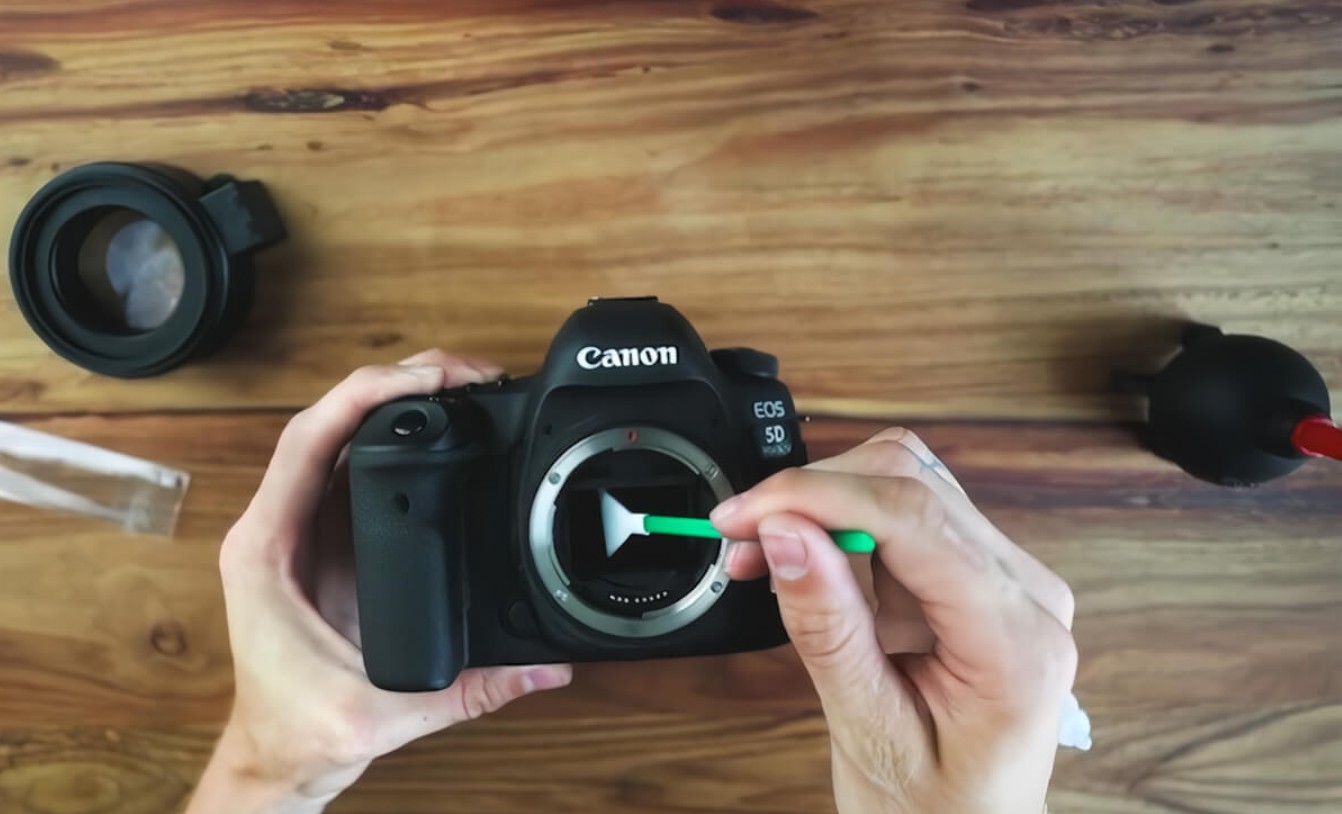
One essential tool that many people often forget to bring is a soft-bristle brush. It's indispensable when going to the beach. When the lens or camera body is covered in sand, wiping it immediately with a towel will cause the sand to rub against the surface and scratch it. Instead, use a soft brush to gently remove the dust before cleaning it with a microfiber cloth. These small but correct steps will help protect your equipment from damage that is difficult to repair.
Besides sand, sea salt spray is also a silent threat. It easily adheres to the lens surface and leaves blurry streaks. Therefore, after leaving the beach area, quickly clean the camera with a soft cloth to remove the salt spray. Proper cleaning will help the camera operate smoothly and extend its lifespan.
4. Use straps to secure the camera.
One of the most common mishaps when traveling is dropping your camera. Holding a camera with bare hands, especially when standing near water or on slippery terrain, poses many risks.
Using a wrist strap or neck strap is a simple yet extremely effective solution. Just a moment of inattention, and the device could fall to the ground, into water, or suffer a severe impact. But with a strap, your ability to control it is greatly enhanced.
Camera straps available today are quite diverse, ranging from compact wrist straps for compact cameras, wide neck straps for DSLRs or mirrorless cameras, to cross-body straps to reduce pressure on the shoulder while moving. Regardless of the type, the most important goal remains to ensure the camera is securely attached to your body and minimize the risk of it slipping from your hand.
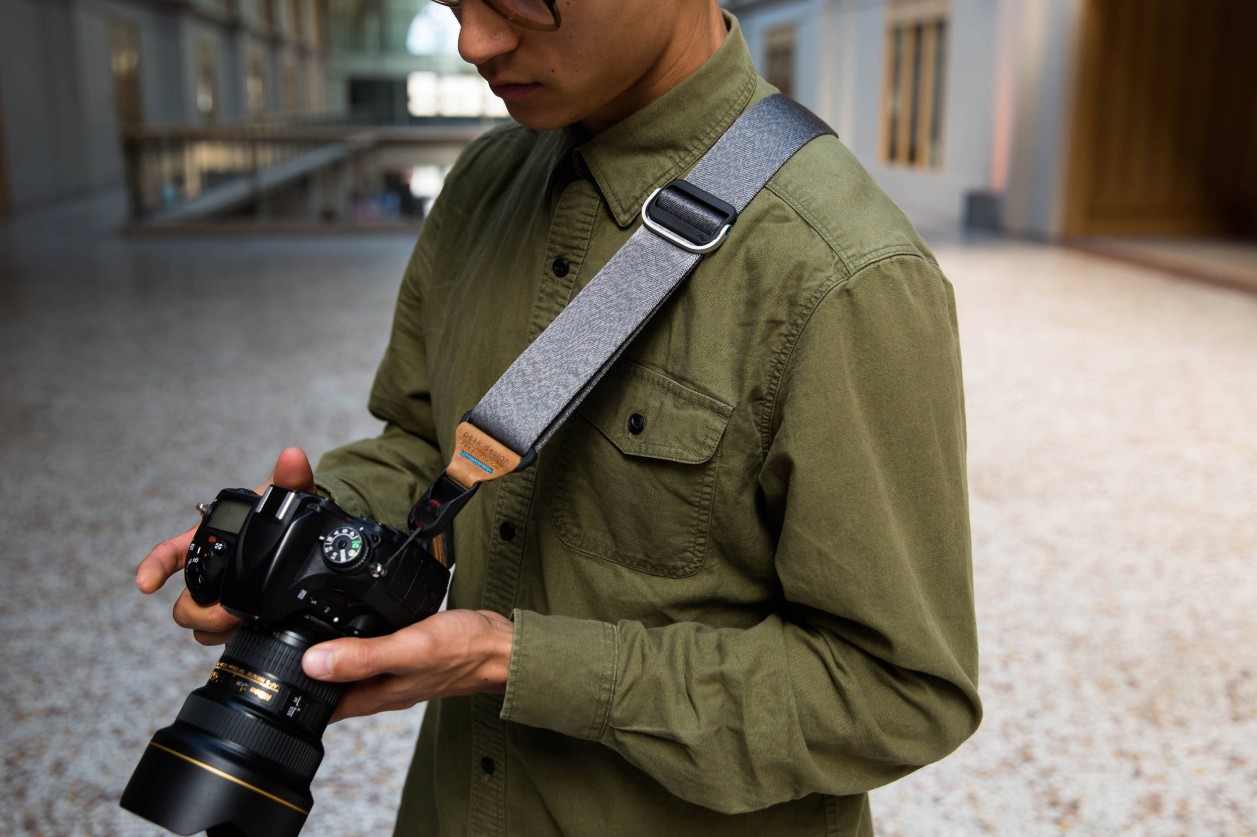
Especially when shooting near the sea, using a camera strap becomes even more crucial. A sudden wave or slippery sand can cause you to lose your balance. Without a strap, you'll almost certainly be unable to save your camera in time. The strap is essentially "physical insurance" that helps keep your precious camera safe.
5. Keep the device away from hazardous areas.
Direct sunlight, hot sand, damp ground, or slippery surfaces are all places where cameras should not be placed. Cameras are devices that integrate many sophisticated components. Placing them in direct sunlight can cause screen burn-in, battery overheating, sensor damage, or premature aging of rubber materials. High temperatures also make the camera less stable and more prone to malfunctions.
When not in use, place the camera back in its carrying case to protect it from sun, wind, and impact. Do not leave the camera directly on sand, as even a small movement can cause sand to get into the lens or camera body crevices. Cameras are not like clothes or shoes; once sand gets inside, cleaning can be complicated, expensive, and may cause permanent damage to the zoom ring or focusing motor.
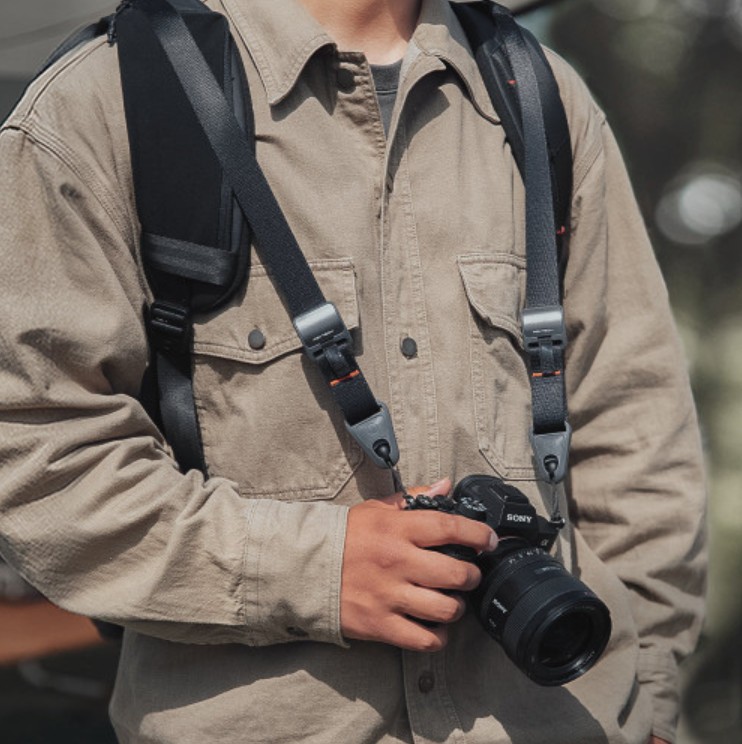
Even when sitting down to rest, don't leave your device on the ground. Hang it around your neck, put it in your pocket, or place it on a dry, elevated surface like a stone table or wooden chair. Especially in crowded tourist environments, placing your device haphazardly can easily lead to bumps or accidental kicks.
Another important note is to avoid leaving your camera in a closed car in direct sunlight. The temperature inside the car can rise to very high levels and cause serious damage to the electronic components. It's best to always keep your camera nearby or store it in an insulated bag if you must leave it in the car.
6. Do not remove the lens when outdoors.
The lens is the most important part of a camera and also the most vulnerable to sand, dust, or moisture. Just a tiny grain of sand getting into the sensor or adhering to the inner lens surface can result in dark spots appearing in your photos and costly cleaning.
Therefore, if you need to change lenses, find a sheltered, dry place such as indoors, in a car, or a covered area. Have a lens case ready for quick handling and to avoid leaving the camera exposed for too long. When removing the lens, always keep the camera body facing downwards to prevent dust from getting inside.
Just a tiny grain of sand can cost you millions of dong to clean your sensor or even replace components. Therefore, it's best to always keep the lens in place when outdoors. If you know you'll need different focal lengths, you can bring a multi-lens system to minimize the need to constantly change lenses.
Proper camera maintenance while traveling is not just a habit, but also a crucial skill that helps keep your equipment in top condition. A durable camera will allow you to capture thousands of beautiful moments without worrying about unnecessary damage.



















VIP Products








Best Selling Products
Freepik Premium Account
59 USD
ChatGPT Plus Account (GPT-4)
16 USD
MidJourney Account
29 USD
Upgrade Genuine Office 365
49 USD
Autodesk All App Account Copyright
120 USD
Upgrade Duolingo Super
29 USD
Genuine Cheap Canva Pro
39 USD
Windows 10 & 11 Pro Key
36 USD
Adobe Premiere Pro Account
99 USD
Adobe Photoshop Copyright - Full App
120 USD
Capcut Pro 1 Year
39 USD
Genuine Adobe Illustrator account
99 USD
Plugin Retouch4me
69 USD
Copyright Adobe Lightroom Account
59 USD
Upgrade genuine Capture One account
120 USD