
Best Selling Products

Upgrade genuine Capture One account
120 USD

MidJourney Account
29 USD

Adobe Premiere Pro Account
99 USD

Capcut Pro 1 Year
39 USD

Adobe Photoshop Copyright - Full App
120 USD

Windows 10 & 11 Pro Key
36 USD

Upgrade Duolingo Super
29 USD

Genuine Adobe Illustrator account
99 USD

Autodesk All App Account Copyright
120 USD

Copyright Adobe Lightroom Account
59 USD

Upgrade Genuine Office 365
49 USD

Genuine Cheap Canva Pro
39 USD

ChatGPT Plus Account (GPT-4)
16 USD

Plugin Retouch4me
69 USD

Freepik Premium Account
59 USD
Secrets to Taking Portrait Photos Under Harsh Sunlight Without Overexposure
Nội dung
Discover techniques to reduce contrast, balance lighting, and preserve facial details when shooting in challenging lighting conditions.
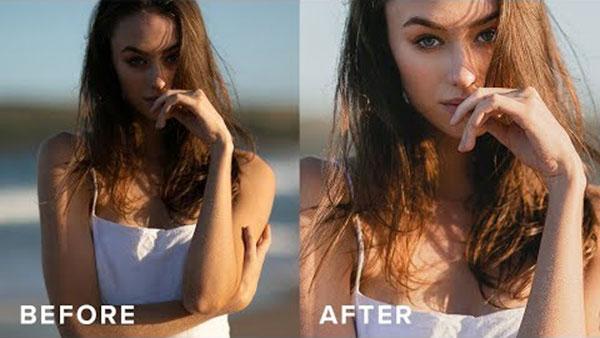
1. Understanding the Characteristics of Harsh Sunlight
Harsh sunlight typically occurs between 10 a.m. and 3 p.m., when the sun reaches its highest point in the sky. During this period, light falls almost directly onto the subject, creating a hard light source with extremely high contrast.
The most obvious characteristic of this lighting is the presence of very bright highlights and very deep shadows. Areas receiving direct sunlight can become overexposed and lose detail, while shaded areas become dark and may even disappear entirely. This stretches the dynamic range of the image and makes balancing exposure more difficult.
For portrait photography, harsh sunlight often creates pronounced shadows beneath the eyes, nose, and chin. These shadows can make the face appear less flattering, emphasize imperfections, and reduce overall aesthetic appeal. In addition, strong light often causes subjects to squint, appear tense, and lose natural facial expressions.
.jpg)
However, from a positive perspective, harsh sunlight offers a significant advantage: the ability to create strong dimensionality. Clearly defined light and shadow areas help emphasize facial structure, creating depth and a pronounced three-dimensional effect.
Understanding the characteristics of harsh sunlight is the first and most important step. Once you understand how it “works,” you will no longer be at its mercy and can instead control it according to your creative vision.
2. Avoid Direct Sunlight
One of the most common mistakes when shooting portraits under harsh sunlight is placing the subject directly facing the sun. This causes light to strike the face head-on, creating bright hotspots, loss of detail, and forcing the subject to squint.
Instead, you should change the lighting direction to gain better control over image quality. The two most effective approaches are backlighting and side lighting.
When shooting with backlighting, the sun is positioned behind the subject. The light no longer shines directly onto the face but instead creates a rim light around the hair and body. This effect helps separate the subject from the background and adds a softer, more dreamy appearance. However, you need to expose carefully to avoid underexposing the face.
.jpg)
Meanwhile, side lighting from one direction helps sculpt facial features. One side illuminated and the other in shadow enhances facial structure, creating depth and a strong three-dimensional appearance. This technique is highly effective for producing powerful and visually compelling portraits.
Changing your shooting angle and light direction not only reduces the harshness of the light but also opens up a variety of creative styles. You can adjust these elements flexibly to match your artistic vision.
3. Take Advantage of Natural Shade
Locations such as beneath trees, beside buildings, under awnings, or in outdoor corridors can become ideal “natural studios.” In these spaces, direct sunlight is blocked, reducing harshness and softening highlights on the face while minimizing hard shadows under the eyes and chin.
However, not all shade is equally suitable. You should prioritize areas with “open shade,” meaning shaded locations that still receive reflected light from the sky or surrounding environment. This type of light is generally soft, even, and easier to control, helping maintain natural skin tones while preventing the image from appearing dark or lifeless.
.jpg)
Another important factor is the direction of reflected light. Even in the shade, light still has a direction. You should position the subject facing the open light source, usually the brighter part of the sky, so the reflected light illuminates the face naturally and attractively. If the subject faces away from the reflected light source, the face may appear dark and lack visual impact.
On the other hand, if you choose shade that is too deep or enclosed, the light may become weak and directionless, causing the image to appear flat and lacking depth. In such cases, move the subject closer to the edge of the shade, where there is enough light to create dimension without becoming too harsh.
Additionally, pay attention to the colors of the surrounding environment. Bright-colored walls, pavement, or reflective surfaces can act as natural fill lights, improving facial illumination without requiring a reflector.
4. Use a Reflector to Balance Light
A reflector is one of the simplest yet most effective tools for portrait photography under strong sunlight. When sunlight creates deep shadows on the face, a reflector bounces light back into these areas, brightening them and reducing overall contrast.
Depending on your goals, you can choose different types of reflectors. White reflectors produce soft, natural light and are ideal for gentle portrait styles. Silver reflectors provide stronger illumination, making them useful when reflected light is limited. Meanwhile, gold reflectors add warmth and are excellent for enhancing skin tones.
.jpg)
The placement of the reflector is equally important. Typically, it should be positioned opposite the main light source and angled toward the subject’s face. This helps distribute light more evenly and reduces shadows beneath the eyes and chin.
If you do not have a professional reflector, you can easily substitute it with simple items such as white foam boards, aluminum foil, or light-colored walls.
Using a reflector not only improves lighting quality but also provides greater control and professionalism during a shoot.
5. Adjust Camera Settings Properly
Under harsh sunlight, accurate camera settings are essential for achieving high-quality images. Without proper control, photos can easily become overexposed or lose important details.
You should begin with a low ISO setting, typically between 100 and 200, to ensure maximum image quality and minimize noise. In bright conditions, maintaining a low ISO is usually not a problem.
.jpg)
Shutter speed should be increased to reduce the amount of light reaching the sensor. Common values range from 1/500 to 1/2000 second, depending on the intensity of the light and your shooting objectives.
Aperture settings can be adjusted flexibly. If you want a shallow depth-of-field effect, a wide aperture such as f/2.8 is a suitable choice. However, under intense sunlight, you may need to stop down slightly to avoid overexposure.
Additionally, an ND filter is a useful tool for reducing incoming light without altering other camera settings. This is especially beneficial when you want to maintain a wide aperture under bright sunlight.
Once you master these settings, you will gain complete control over lighting and consistently produce high-quality images in any condition.
6. Use Shadows Creatively for Artistic Effects
Shadows cast by leaves, window frames, curtains, or architectural elements can create fascinating patterns across a subject’s face and body. These combinations of light and shadow not only enhance aesthetics but also add visual depth, making photographs more dynamic and emotionally engaging.
To use this element effectively, pay close attention to light direction and the distance between the shadow-casting object and the subject. As you change the subject’s position or the angle of light, the shape and sharpness of the shadows will also change. Shadows closer to the light source tend to be sharper and more contrasty, while distant shadows appear softer and more subtle, making them suitable for refined artistic styles.
(1).jpg)
Composition is equally important. Shadows should be used intentionally within the frame rather than appearing randomly and causing visual distractions. You can use shadows to guide the viewer’s eye, create focal points, or emphasize specific facial features such as the eyes or jawline.
Another factor to consider is the subject’s expression. When working with strong shadows, encourage natural expressions rather than stiff poses, as high-contrast lighting can easily emphasize facial details. The combination of light, shadow, and expression ultimately determines the mood and character of the photograph.
Taking portrait photos under harsh sunlight is far from impossible. On the contrary, it is an opportunity to improve your skills and explore new creative styles. By understanding light, choosing the right shooting angles, utilizing shade, using reflectors, and controlling camera settings effectively, you can create impressive portraits even in the most challenging lighting conditions.





















VIP Products








Best Selling Products
Upgrade genuine Capture One account
120 USD
MidJourney Account
29 USD
Adobe Premiere Pro Account
99 USD
Capcut Pro 1 Year
39 USD
Adobe Photoshop Copyright - Full App
120 USD
Windows 10 & 11 Pro Key
36 USD
Upgrade Duolingo Super
29 USD
Genuine Adobe Illustrator account
99 USD
Autodesk All App Account Copyright
120 USD
Copyright Adobe Lightroom Account
59 USD
Upgrade Genuine Office 365
49 USD
Genuine Cheap Canva Pro
39 USD
ChatGPT Plus Account (GPT-4)
16 USD
Plugin Retouch4me
69 USD
Freepik Premium Account
59 USD