Best Selling Products
Genuine Cheap Canva Pro
39 USD

ChatGPT Plus Account (GPT-4)
16 USD

Freepik Premium Account
59 USD
Genuine Adobe Illustrator account
99 USD
Plugin Retouch4me
69 USD
Windows 10 & 11 Pro Key
36 USD

MidJourney Account
29 USD
Adobe Photoshop Copyright - Full App
120 USD

Upgrade Genuine Office 365
49 USD
Autodesk All App Account Copyright
120 USD
Capcut Pro 1 Year
39 USD
Adobe Premiere Pro Account
99 USD
Copyright Adobe Lightroom Account
59 USD
Upgrade genuine Capture One account
120 USD
Upgrade Duolingo Super
29 USD
Sora 2 or Veo 3: Who will be the best AI director of 2025?
Nội dung
Both tools can transform a line of description into cinematic footage. But between the finesse of Sora 2 and the technical power of Veo 3, which is the perfect choice for content creators?
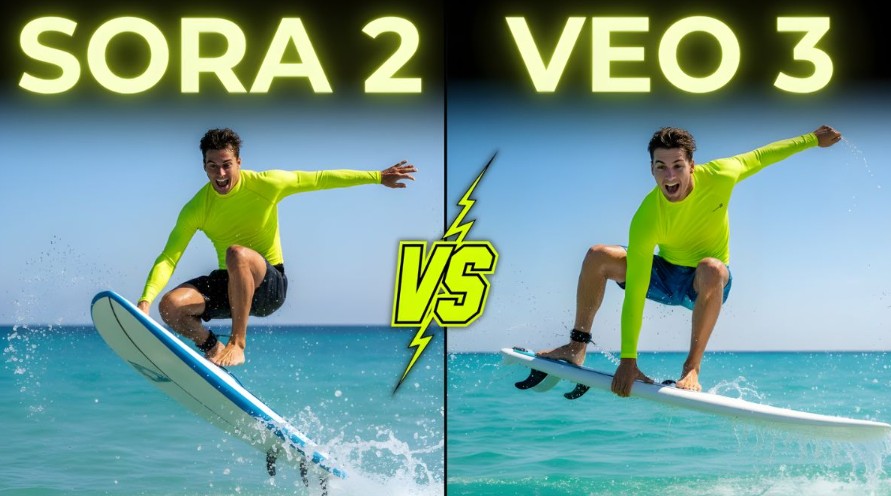
2025 marks a very special milestone: for the first time, AI will not only create still images or text, but will take a step further, creating complete videos with images, sound, and dialogue synchronized naturally. The two most prominent names in this race are OpenAI's Sora 2 and Google DeepMind's Veo 3.
Both are considered pioneering systems in the field of "AI video creation" (text-to-video), a field that was considered impossible just a few years ago. Sora 2 is promoted by OpenAI as a tool that can "turn speech into cinematic video," while Veo 3 is described by Google as the "highest quality model ever achieved in the history of AI video." Both offer a vision previously only seen in science fiction films: you type a few lines of text and, within a few dozen seconds, a complete video appears on the screen.
However, the question being asked by the creative community, designers, and content creators is: Between Sora 2 and Veo 3, which is the better tool in 2025? And if you are a content creator, which tool should you choose for your work? To answer this question, we need to look deeply into the context of their origins, strengths, weaknesses, applications, and the philosophy behind these two AI systems.
1. Why are Sora 2 and Veo 3 noteworthy?
Before discussing "who is better," we need to understand why these two platforms have made such a big impact. The appearance of Sora 2 and Veo 3 is not simply a technological upgrade, but a turning point for the entire creative industry.
For years, AI models for creating videos faced a major hurdle: they lacked understanding of physics, lighting, motion, and the natural interaction between objects. A balloon floating in mid-air might appear to "float" in mid-air; a walking figure might suddenly distort or change face. Even when video could be produced, the image quality was often blurry, lacking detail, and, most importantly, lacking synchronization between image and sound. Audio was often added later, lacking the natural synchronization of real-life footage.
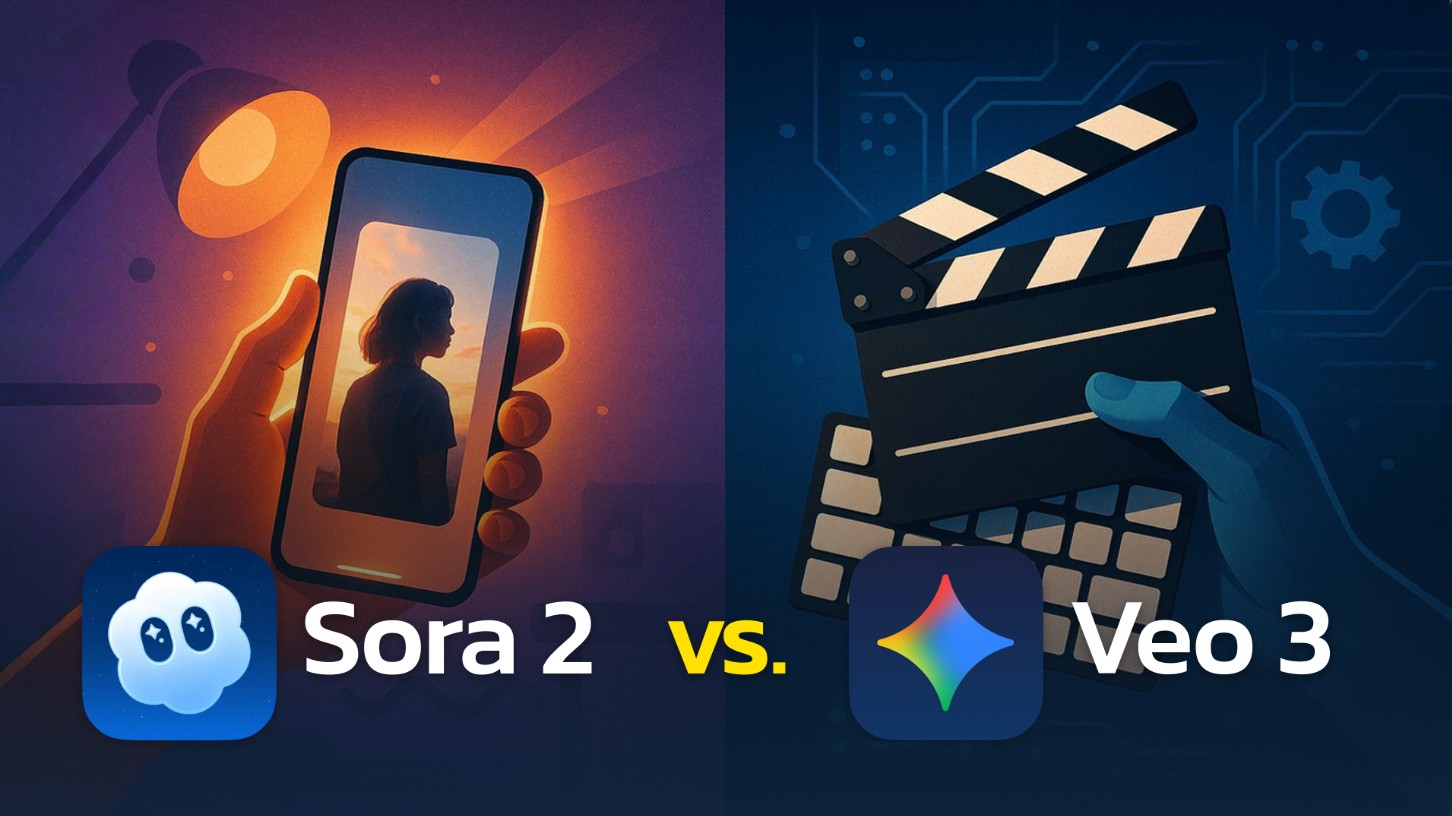
But from the end of 2024, both OpenAI and Google began to reveal new breakthroughs. OpenAI announced Sora: the first text-to-video model capable of creating high-resolution video, smooth motion, and understanding physics at a basic level. Soon after, Google DeepMind was not to be outdone, launching Veo: a similar model but more powerful in scene creation and lighting processing. By 2025, both companies will release the next generation: Sora 2 and Veo 3 .
What sets these two products apart from the rest of the AI world is that they not only create moving images, but also have the ability to synchronize audio and dialogue according to the context. This makes AI videos not only "beautiful" but also "alive," giving viewers the feeling of watching a real film. Sora 2 and Veo 3 are therefore considered two important milestones, ushering in a new era of AI video.
2. Sora 2: AI that can tell stories like a human.
OpenAI, following the success of ChatGPT, DALL·E, and the first generation Sora, didn't stop at image creation or conversation simulation. They took it a step further with Sora 2 : a model capable of creating video with synchronized audio and speech. Sora 2 can understand a complex prompt (descriptive command) including context, emotion, tone, weather, and ambient sounds, and then transform it all into a short film in just a few minutes.
The most remarkable aspect of Sora 2 is its realism. The footage generated by this system shows lighting, movement, reflections, and shadows with incredible accuracy. There are no more distorted characters, misdirected movements, or floating objects. Everything seems to follow the laws of natural physics. Furthermore, Sora 2 is capable of creating dialogue that perfectly matches the characters' mouth movements, along with environmental sounds and background effects (such as rain, wind, and footsteps) all synchronized with the visuals.
What makes Sora 2 so popular in the creative community isn't just the technology, but also how OpenAI builds the user experience. They released a companion mobile app that allows users to quickly create videos like TikTok videos, remix videos with friends, or even "transform" themselves into AI-generated videos. This app helps not only professional users but also ordinary people to try their hand at creativity.
Another highlight of Sora 2 is its style customization capabilities. Users can describe videos in various ways: from documentaries and animations to classic cinema or surreal styles. Simply changing a few keywords in the prompt can yield completely different results in Sora 2.
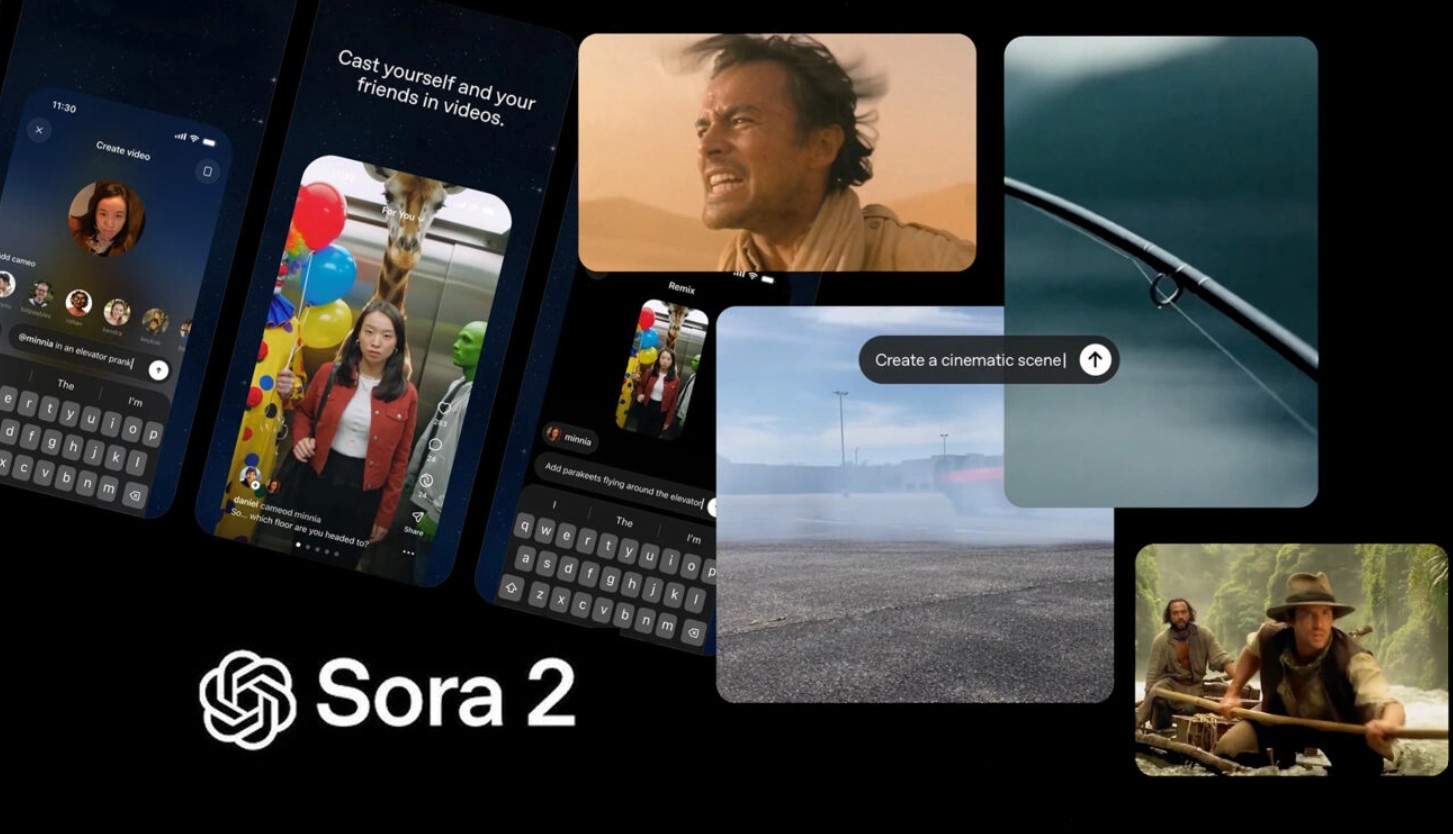
However, like any other tool, Sora 2 is not without controversy. The biggest issue lies in privacy and the ethics of image use. Because Sora 2 allows users to include their own (or others') real images in videos, the risk of deepfakes creating fake videos of celebrities or individuals becomes real. Although OpenAI has committed to implementing layers of moderation and identity verification, there are still concerns that this technology could be misused for malicious purposes.
Furthermore, OpenAI's limited access, only open to a select group of invited users, leaves many curious but with few opportunities to experience it firsthand. On the other hand, professional filmmakers acknowledge that, while Sora 2 is impressive, it cannot yet completely replace traditional filmmaking processes, especially for long and complex projects. In other words, Sora 2 is currently a powerful creative tool, but not yet a "complete filmmaking machine."
3. Veo 3: Google DeepMind's filmmaking machine
While Sora 2 was born for the mass creator, Google's Veo 3 is designed for professionals. Developed by the DeepMind team, Veo 3 is considered the highest-quality AI video model currently available. It can generate ultra-high-resolution images, maintain character consistency across multiple frames, and most importantly, integrate sound, dialogue, and environmental effects in a single processing step.
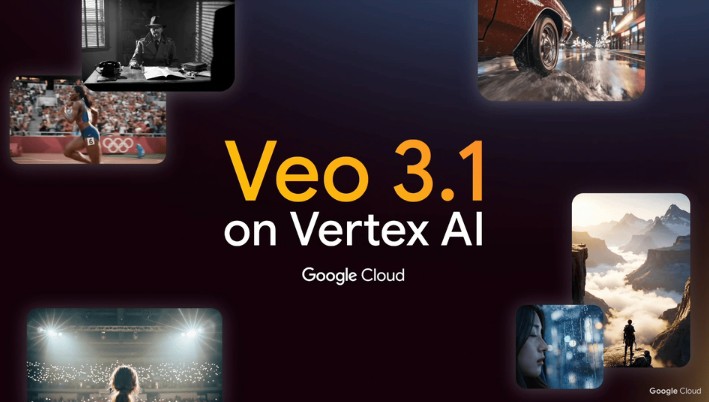
Unlike Sora 2, which was geared towards a social networking experience, Veo 3 is designed to serve filmmakers, advertising agencies, and large studios. It's deployed in a Google Cloud and Vertex AI environment, allowing users to process video on an industrial scale. This enables large projects to use Veo 3 as part of their production chain, rather than just as a tool for testing ideas.
One of the key advantages of Veo 3 is its incredibly accurate audio-visual synchronization. When depicting a scene of "a person walking in a forest in the morning, birds singing and leaves falling gently," Veo 3 not only creates the visuals but also adds the sounds of falling leaves, birdsong, and footsteps. This is something that most other models, including the original Sora, have not been able to do.
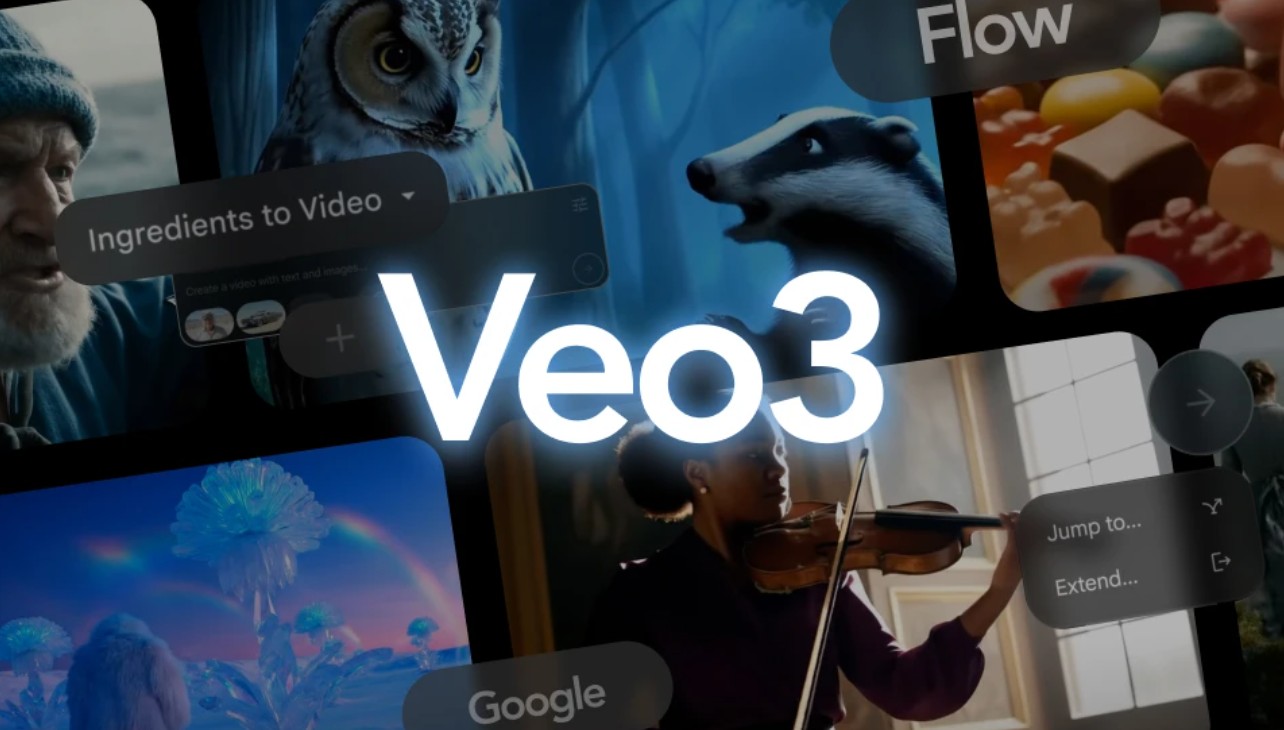
Veo 3 also scores points for its character consistency. The characters appearing in videos created by Veo 3 have consistent appearances, costumes, and demeanor throughout the entire film, avoiding unusual "transformations." The level of detail in the scenery, lighting, and materials is also very high, almost comparable to videos shot with a real camera.
However, Veo 3 isn't for everyone. Using it requires a Google Cloud account, access to Vertex AI, and in many cases, a high cost. While Google offers a limited free trial with credits, long-term use requires a fee based on storage and video processing time. Additionally, Veo 3 currently has video length limitations; many users can only create videos up to 8 seconds long, making it difficult to create longer films or multi-scene stories.
Nevertheless, Veo 3 is still highly regarded by experts for its stability and accuracy. It is considered an "AI studio" tool, meaning it's not for the general public, but extremely powerful in the hands of those who know how to use it.
4. Comparing Sora 2 and Veo 3
When comparing Sora 2 and Veo 3 side-by-side, we see not only technological differences but also two completely different philosophies of innovation. Sora 2 represents a "democratization" approach to AI, bringing technology to everyone, encouraging creativity and sharing. Veo 3, on the other hand, represents a "professionalization" approach, focusing on quality, accuracy, and integration into large-scale production processes.
In terms of image quality , both are impressive. Sora 2 produces videos with natural lighting and motion, accurately simulating physics, while Veo 3 delivers sharper and more stable images. Experts agree that while Sora 2 is ideal for creating short, inspirational videos or social media content, Veo 3 is better suited for commercials, trailers, or videos with multiple layers of complex content.

In terms of sound and dialogue , Veo 3 has a slight edge. Google's technology allows for the creation of ambient sounds and effects in a single step, resulting in a more complete video and saving post-production time. Sora 2 also has this capability, but to a lesser extent, focusing more on synchronized voice and dialogue rather than in-depth environmental effects.
In terms of creative control , Sora 2 excels thanks to its user-friendly interface and high level of customization. Users can import their own images, change camera angles, or remix existing videos. Veo 3, on the other hand, leans towards technical control, allowing for fine-tuning of camera angles, focus, transition speeds, or simulating real-world camera movements. Sora 2 is suitable for young creators, while Veo 3 is more appealing to directors and cinematographers.
In terms of accessibility , Sora 2 is somewhat more user-friendly, even though it's currently in a limited user phase. Once officially released to the wider public, it will be easily accessible to the global creative community. Meanwhile, Veo 3, although open for public preview, still requires robust infrastructure and a Google Cloud account.
Finally, there are ethical and safety issues. Both face common challenges in the AI video industry: deepfakes, data copyright, and image misuse. Sora 2 is particularly noteworthy for its ability to "immerse" real people in videos, prompting OpenAI to commit to implementing strict censorship measures. Google, with Veo 3, is also facing similar pressure, especially since its product can create videos that look too realistic, leading to the risk of spreading misinformation.
5. When should you choose Sora 2 and when should you choose Veo 3?
The question of "which AI is better" doesn't actually have an absolute answer. Depending on the goals and target audience, each tool will demonstrate its own strengths.
If you're a personal content creator looking to make short videos, experiment with new ideas, or create viral social media content, Sora 2 is a better choice. You can create clips quickly, combine audio, easily edit styles, and enjoy the feeling of "AI making films with you." Sora 2 embodies creativity, fun, and a closer connection with the community.
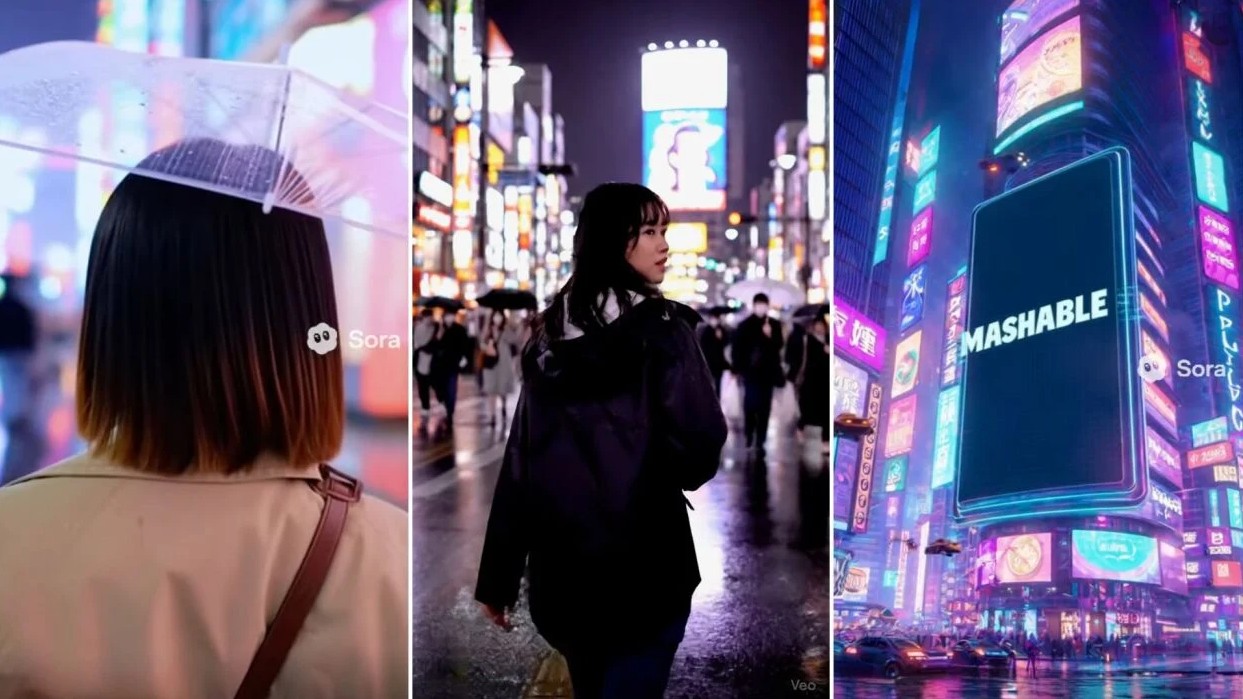
Conversely, if you are a filmmaker, advertising agency, or company looking to apply AI in professional production, Veo 3 would be a wise choice. It allows for frame-by-frame control, precise audio synchronization, and integration into large-scale production workflows. While the cost is higher, the trade-off is near-cinematic quality and stability.
If we only consider technology and build quality, Veo 3 has a slight edge thanks to its high image quality, synchronized sound, and absolute stability. However, when it comes to accessibility and the spread of creativity, Sora 2 is the winner in the hearts of the creative community. One is a professional tool for studios, the other is a gateway for everyone who loves creating images.
So, “Which AI will be better in 2025?” The answer depends on your goals. If you want to make films, commercials, or produce high-quality video, choose Veo 3. If you want to explore ideas, create viral videos, or simply see how AI can turn your imagination into reality, choose Sora 2











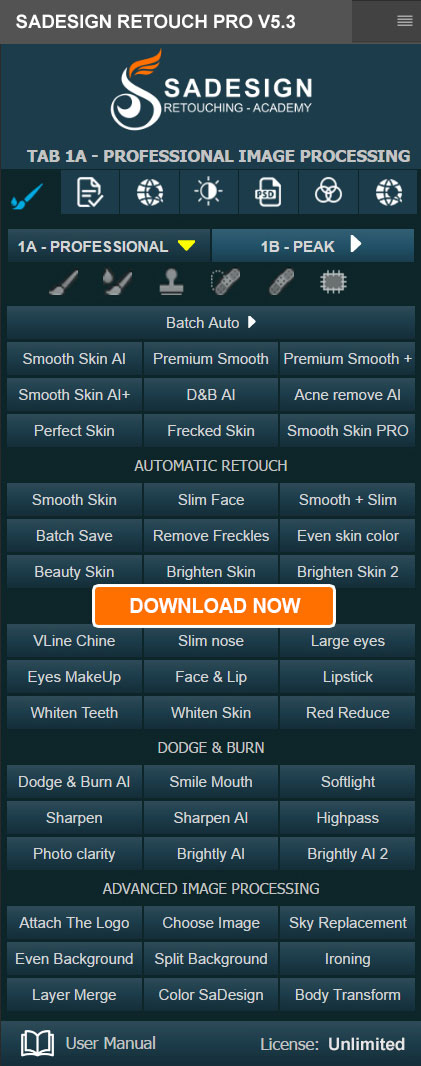
VIP Products
Best Selling Products
Genuine Cheap Canva Pro
39 USD
ChatGPT Plus Account (GPT-4)
16 USD
Freepik Premium Account
59 USD
Genuine Adobe Illustrator account
99 USD
Plugin Retouch4me
69 USD
Windows 10 & 11 Pro Key
36 USD
MidJourney Account
29 USD
Adobe Photoshop Copyright - Full App
120 USD
Upgrade Genuine Office 365
49 USD
Autodesk All App Account Copyright
120 USD
Capcut Pro 1 Year
39 USD
Adobe Premiere Pro Account
99 USD
Copyright Adobe Lightroom Account
59 USD
Upgrade genuine Capture One account
120 USD
Upgrade Duolingo Super
29 USD