Best Selling Products

Adobe Premiere Pro Account
99 USD

Upgrade Duolingo Super
29 USD

Adobe Photoshop Copyright - Full App
120 USD

Copyright Adobe Lightroom Account
59 USD

Upgrade genuine Capture One account
120 USD

MidJourney Account
29 USD

Upgrade Genuine Office 365
49 USD

Autodesk All App Account Copyright
120 USD

Capcut Pro 1 Year
39 USD

Plugin Retouch4me
69 USD

Freepik Premium Account
59 USD

Genuine Cheap Canva Pro
39 USD

Genuine Adobe Illustrator account
99 USD

Windows 10 & 11 Pro Key
36 USD

ChatGPT Plus Account (GPT-4)
16 USD
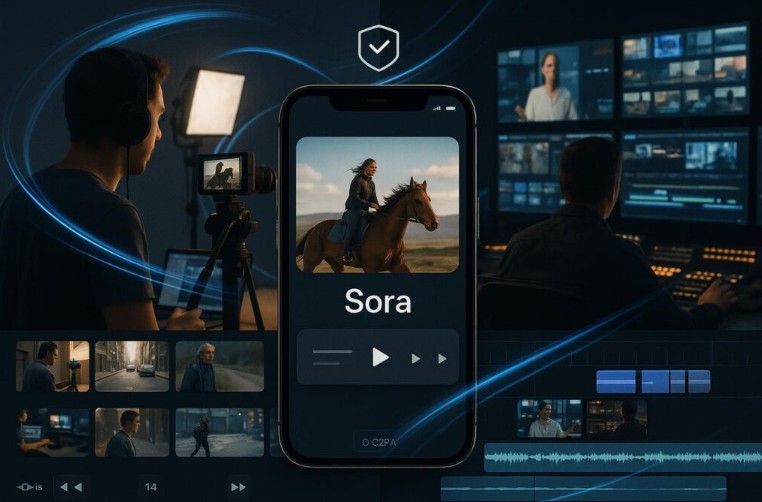
Sora arrives on Google Play: OpenAI brings AI-powered video creation tool to Vietnamese Android users.
Nội dung
OpenAI officially brings Sora to Android users, ushering in an era of creativity where every idea can be transformed into a vivid image with just a few lines of text.
In September 2025, the tech world witnessed a new milestone when OpenAI officially introduced the Sora app on the iOS platform. Immediately, this name became the focus of attention for the global content creation community. This was not only because it was a product from the "creator" of ChatGPT, but also because Sora opened up a completely new direction for video creation.
1. Initially launched and expanded to Android
Sora launched with an enticing introduction: “Turn any text you can think of into a realistic video.” Simply enter a short description, and the AI will generate a complete video with characters, background, lighting, movement, and even emotion. Thanks to this promise, Sora quickly became an unprecedented sensation. In less than five days after its launch, the app had over a million downloads on the App Store and became the most downloaded free app for nearly three consecutive weeks. This reflects not only the powerful appeal of artificial intelligence, but also a profound shift in how people approach visual creation and storytelling.
With this rapid growth, OpenAI continues to expand Sora's reach. November 2025 marks a new milestone as Sora officially launches on the Google Play Store for Android users. This is especially good news for the content creation community in Vietnam, as the country is among the supported markets along with the US, Canada, Japan, South Korea, Taiwan, and Thailand. Sora's arrival on Android can be seen as a strategic move, as the majority of smartphone users in Vietnam use the Android platform. Bringing Sora to this user group not only expands its reach but also helps OpenAI tap into a promising market for content creation, where short video, visual marketing, and digital storytelling are thriving.
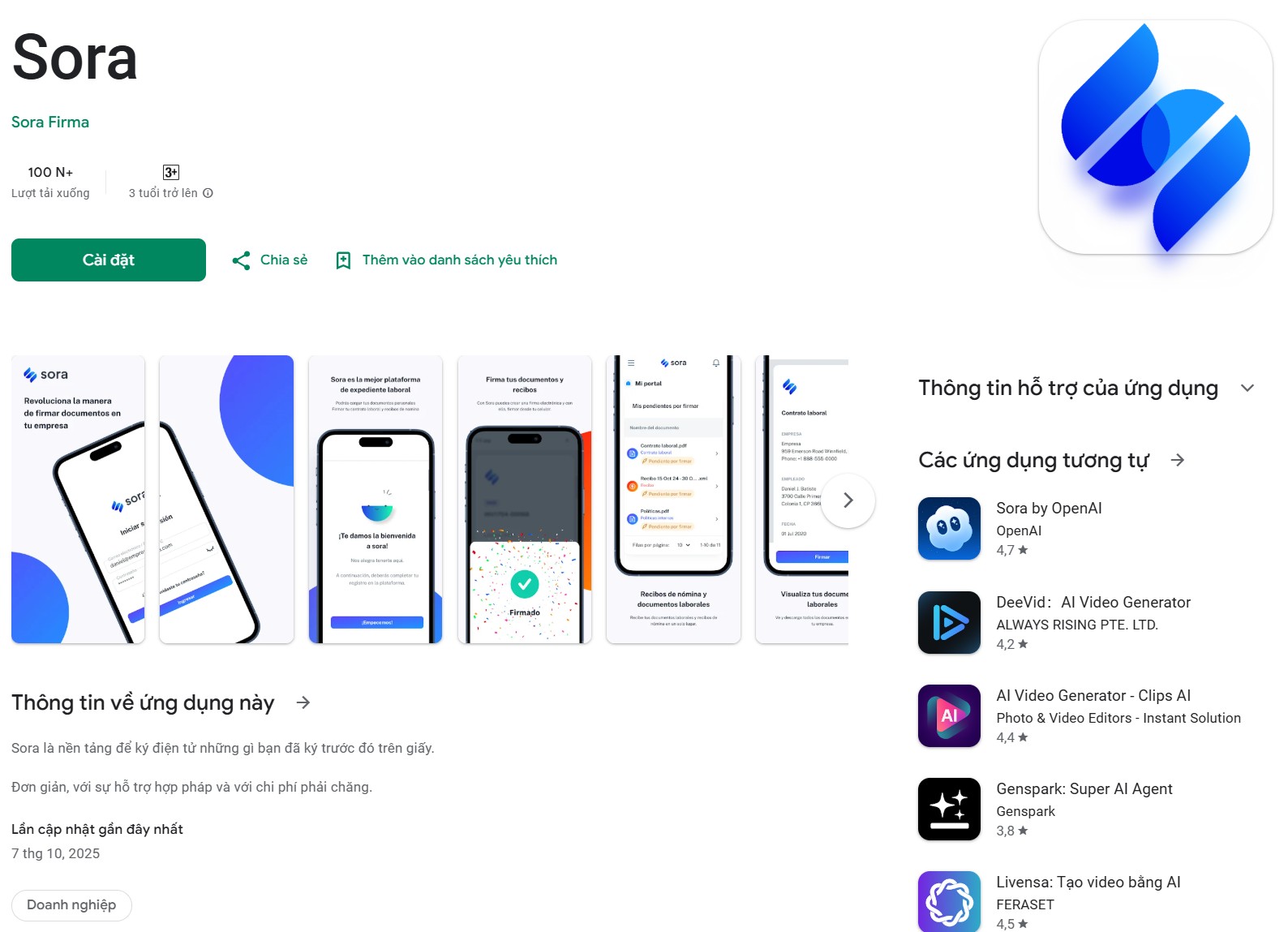
For Vietnamese users, the arrival of Sora on Android is not just about a new app; it's also about opening a door for millions of individuals passionate about creativity but lacking the technical resources to produce professional videos. Now, with just a basic Android phone and a few lines of description, they can create authentic, cinematic videos for social media, personal branding, or simply for the joy of creativity.
From a market perspective, Sora's arrival is seen as a major boost to Vietnam's content ecosystem. With TikTok, Instagram Reels, and YouTube Shorts already serving as platforms for millions of young people, the addition of an automated video creation tool like Sora could ignite even more creative trends. Vietnam is already known as one of the fastest-growing countries in Southeast Asia for short-form video content, and Sora's arrival only reinforces that position.
2. Features of Sora
The most appealing aspect of Sora lies in its name itself; "Sora" in Japanese means "sky," and indeed, this app opens up a nearly limitless sky of creativity for its users.
Sora's first and most fundamental capability is text-to-video conversion . Users simply type a few lines of description, for example: "A girl in a leather jacket is walking down a Tokyo street at night, neon lights reflecting on the damp pavement," and in just a few dozen seconds, Sora will transform that text into a vivid video with characters, lighting, scenery, and realistic movement. This feature demonstrates the superiority of the multimodal AI model that OpenAI has developed.
Sora doesn't just create videos from scratch; it also allows users to remix existing videos. This feature acts as a creative playground where people can "rework" other people's work in their own style: changing characters, adding new scenes, adjusting the atmosphere, or extending the storyline. This is how OpenAI encourages community interaction, similar to how TikTok achieved success with its duet model. But the difference is that Sora remixes don't just add sound or dialogue; it recreates the entire video using AI, making each remix a completely new version.
Furthermore, Sora boasts a diverse library of video styles , allowing users to choose different tones, compositions, lighting, and visual textures. You can create cinematic, animated, surreal, or photorealistic videos with just a few taps. This flexibility makes Sora suitable for a wide range of users: from individual content creators and digital artists to advertisers and teachers who want to create illustrative content.
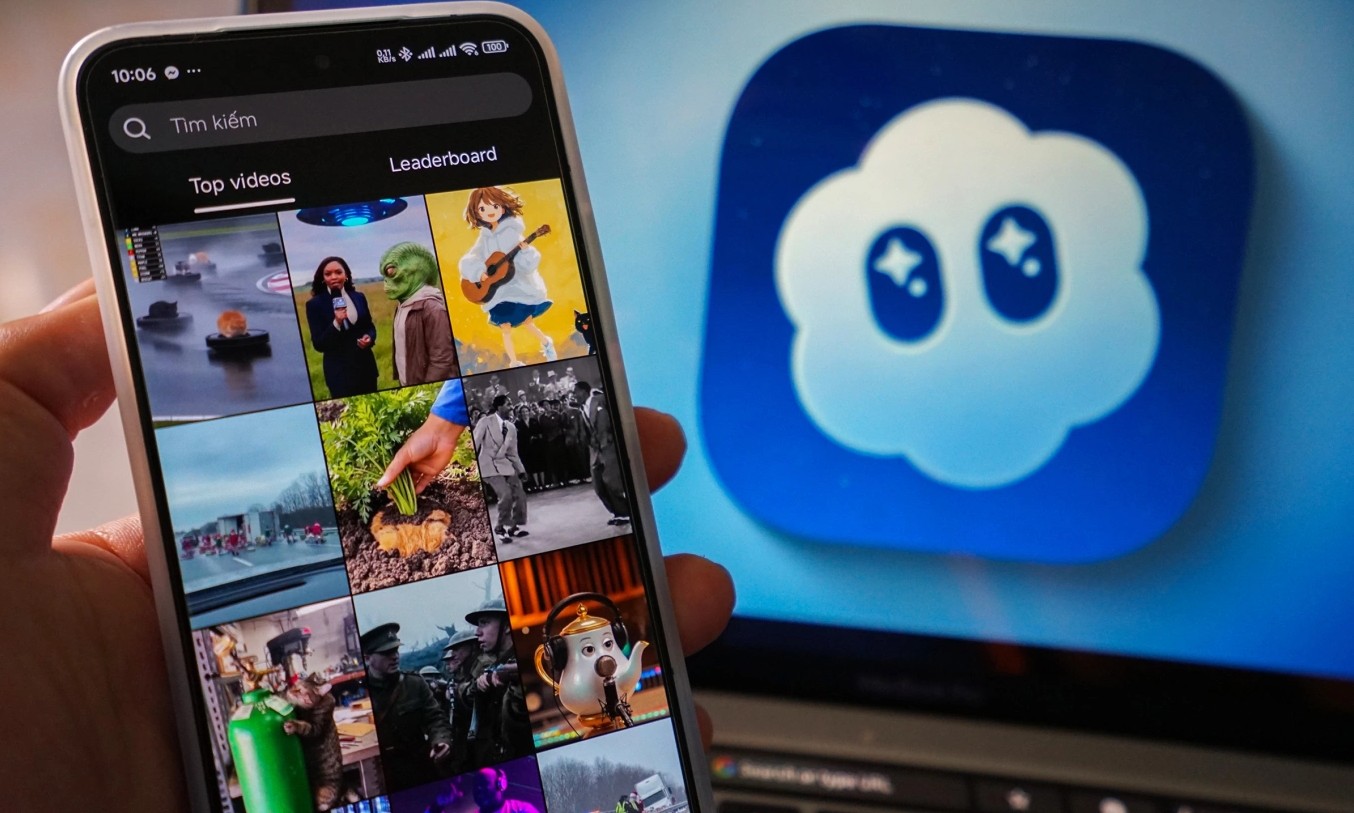
Another key difference is OpenAI's emphasis on community development. The application integrates a "feed" similar to a social network, where users can view videos created by others, learn how they write prompts, participate in challenges, or share their own work. This helps Sora become not just a personal tool, but a social platform geared towards a global creative community. For Vietnamese users, this is a great opportunity to connect with the international creative community, exchange skills, learn AI-powered storytelling styles, and even seek cross-border collaboration opportunities.
The Android version of Sora is designed with a user-friendly, intuitive interface suitable for general users. Although there isn't an official Vietnamese translation yet, the fact that the app is already available on Google Play Vietnam shows that OpenAI has begun considering language support and user support in Southeast Asia. Once the localization feature is fully implemented, Vietnamese creators will find it easier to enter prompts in Vietnamese and receive accurate results.
3. Market appeal of Sora
Sora's success is not only reflected in the number of downloads, but also in the shift in creative behavior of millions of people. In just the first five days, the app surpassed one million downloads, climbing to the number one spot on the global App Store's free app list. To this day, even after its launch, Sora still holds the fifth position in the rankings, behind Gemini and just below ChatGPT.
This rapid growth is no accident. First and foremost, Sora taps into the biggest need of the age: the need to create videos quickly, beautifully, easily, and affordably . With short-form social media platforms like TikTok, Reels, and Shorts dominating, video has become the most important communication language. But not everyone has the tools or skills for professional video editing. Sora, with its "just type" model, has overcome that barrier, empowering creativity for everyone.
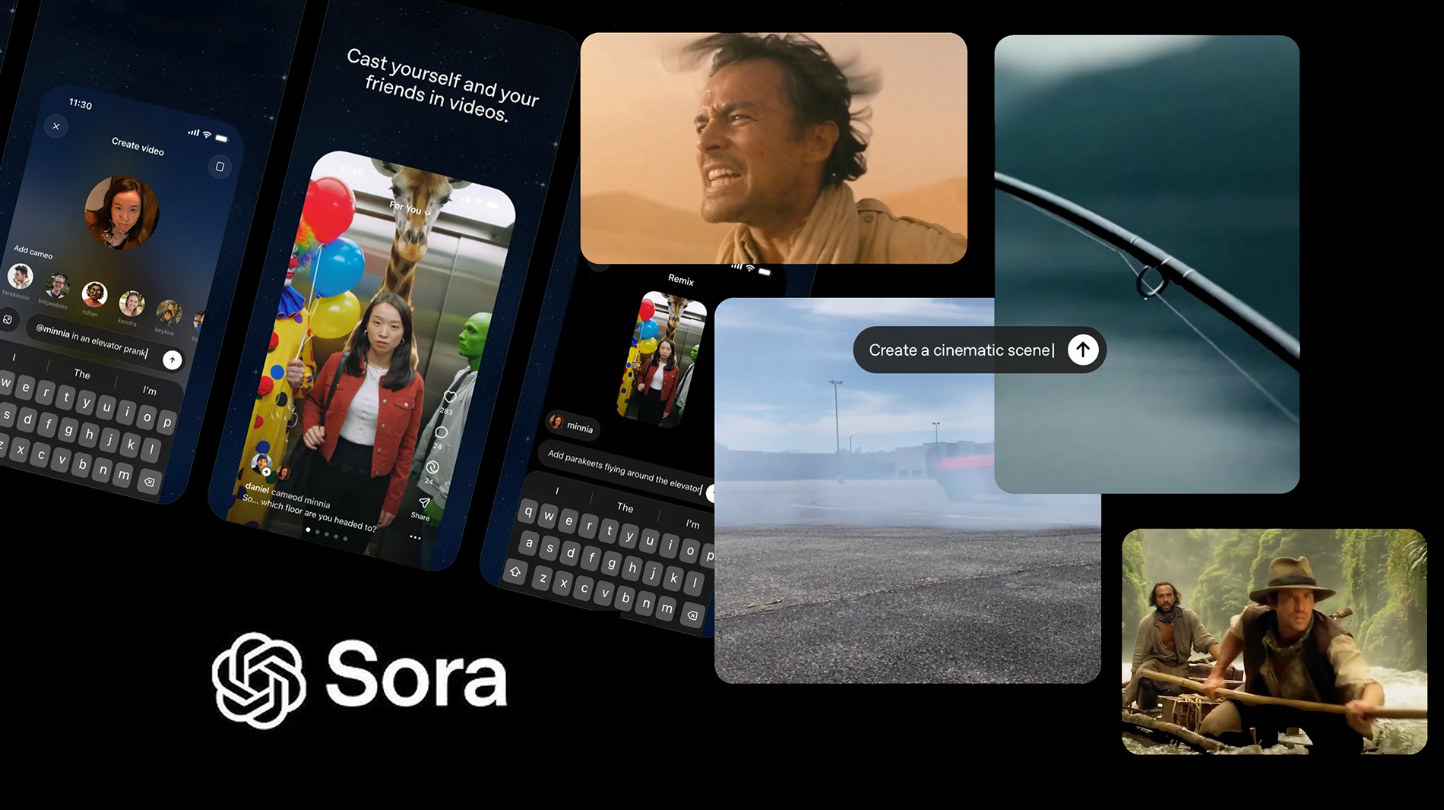
For the Vietnamese market, where over 90% of internet users access the internet via mobile devices, this impact is even more pronounced. With Sora available on Android, millions of people can easily download and use it without needing expensive equipment. A design student, an online shop owner, a TikTok creator... anyone can create videos in just a few minutes.
Sora is also having a significant impact on the digital marketing market. Small agencies or freelancers can quickly create test commercials, develop storyboards, or produce campaign teasers without hiring a film crew. This convenience has led many experts to predict that Sora will become the "Canva of the video world."
From a strategic perspective, OpenAI is doing what many other tech companies have failed at: turning AI into a mass entertainment tool. ChatGPT brought AI to hundreds of millions of people, but Sora is truly making AI "tangible." As Sora expands to Android and Vietnam, it means the "AI-video" wave will not only be an international trend but also a localized one, embraced and creatively adapted to each country's unique style.
4. What makes Sora stand out?
What sets Sora apart most is its speed and intuitiveness . Previously, a 30-second video could take hours to shoot and edit. Now, the same video can be created in just minutes. This not only saves time but also expands the possibilities for experimentation; you can create ten different versions of the same script by changing just a few words in the prompt.
However, like all new technologies, Sora is not without its limitations. Many creators have pointed out that, while the videos produced are highly realistic, complex movements, especially with hands, faces, or interactions between multiple characters, still feel somewhat stiff. Some video segments may even appear "unreal" if viewed closely. Nevertheless, with the rapid improvement of current AI models, these limitations are only temporary.
Another challenge lies in the language and prompt writing style . The video's outcome depends entirely on the quality of the description. An overly vague prompt can ruin the video's style, while a detailed and well-structured prompt will produce near-perfect results. This requires users to learn how to "talk" to the AI, understanding which words influence camera angles, lighting, expressions, and color. For Vietnamese speakers, writing prompts in English often yields more accurate results, but once Sora officially supports Vietnamese, this barrier will gradually be removed.
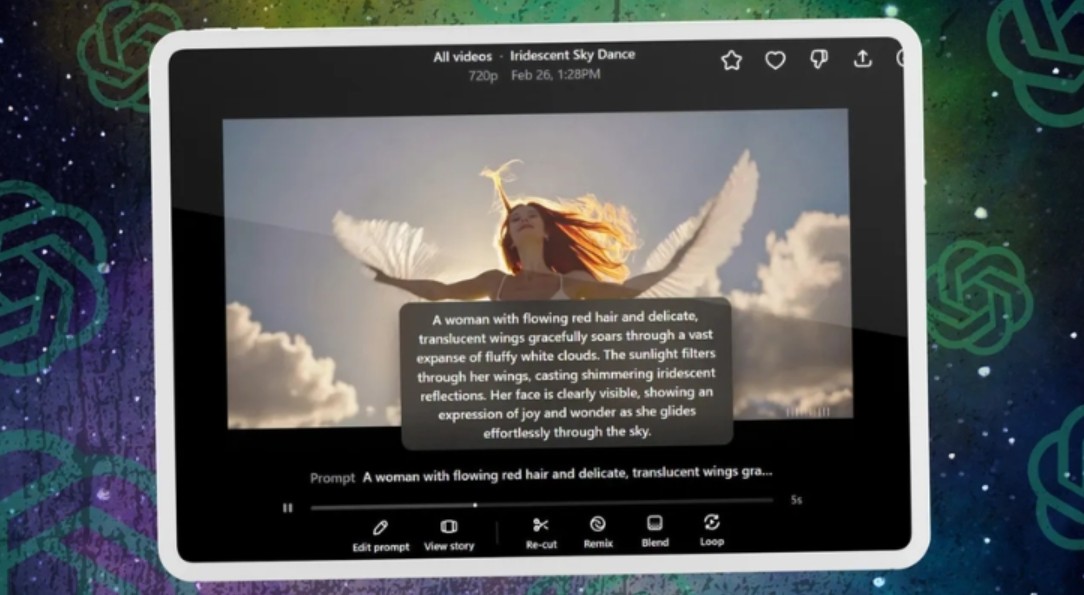
Beyond technical issues, Sora also faces ethical and copyright concerns . Creating videos using AI raises worries about the potential for imitating real people's styles, creating deepfakes, or using images without consent. Many media organizations have called on OpenAI to publicly disclose copyright protection mechanisms within its training model. For users, this means taking responsibility: not using Sora to emulate real people, brands, or copyrighted products without permission.
The final issue is the technological infrastructure in Vietnam . Although Sora runs on a cloud computing platform, creating AI videos still requires a stable network connection and a device powerful enough to handle the interface. For users in areas with weak networks, the video creation process may be slow or interrupted. However, this is only a temporary obstacle as network infrastructure in Vietnam is constantly improving.
5. Impact on the content creation and design industry in Vietnam
Sora's arrival can be described as an "earthquake" for the content creation industry in Vietnam. Previously, professional video production required significant resources: from ideation, filming, editing, post-production, to adding effects. Now, the entire process is compressed into a compact application. This changes the way people approach creativity; instead of "producing," they now "imagine" and let AI do the rest.
For designers, Sora opens up a new concept: motion design using language . Creative professionals are no longer limited to static visuals, but can use prompts to create movement, lighting, and emotion. Graphic designers, filmmakers, and content writers can now collaborate with AI as a colleague. With just a clear description, Sora can help them visualize storyboards, simulate ideas, or create quick drafts for clients.
In Vietnam, where the creative market is young and dynamic, Sora could become as popular a tool as Canva or CapCut. TikTok creators, YouTubers, marketing agencies, or media students will leverage Sora to tell stories faster and experiment with more unique content.
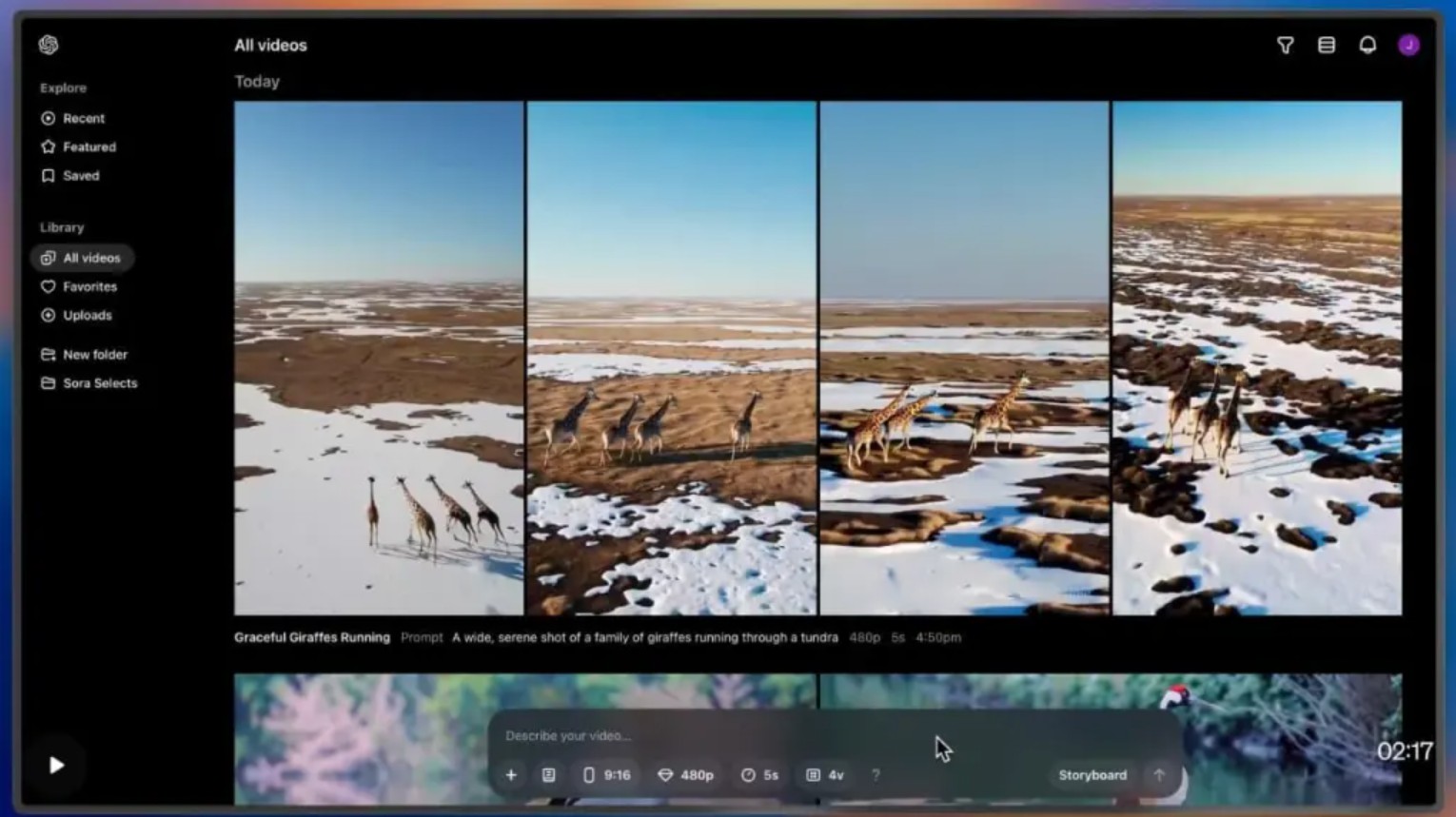
However, what's even more noteworthy is that Sora is changing the standards of creativity . When everyone can create professional videos, the difference is no longer in the tools, but in the ideas. Creators need to learn how to tell stories better, write more sophisticated prompts, and build their personal brand through content style. In the future, "AI storytellers" could become a new profession combining language skills, artistic sensibility, and technological understanding.
6. Future Trends
Sora's launch in Vietnam is just the beginning. OpenAI has confirmed it will continue to expand its market to Europe and other regions in the near future. For Vietnam, what users are most looking forward to is an official Vietnamese version along with a localized prompt support system. This would allow the AI to understand the context and writing style of Vietnamese, creating videos that are more relatable to local users.
Another notable trend is the potential for integrating Sora with social media platforms . In the future, users may no longer need to manually export videos but can post directly from Sora to TikTok, YouTube, or Instagram. With this streamlined process, content production and sharing will become instantaneous, making social media more vibrant than ever.
In addition, brands in Vietnam can also leverage Sora to create new marketing campaigns. A fashion brand can create a promotional video in just a few minutes using a prompt describing the outfit, setting, and desired emotion. A university can use Sora to create inspirational videos for students. A startup company can create product demo videos without needing a studio.
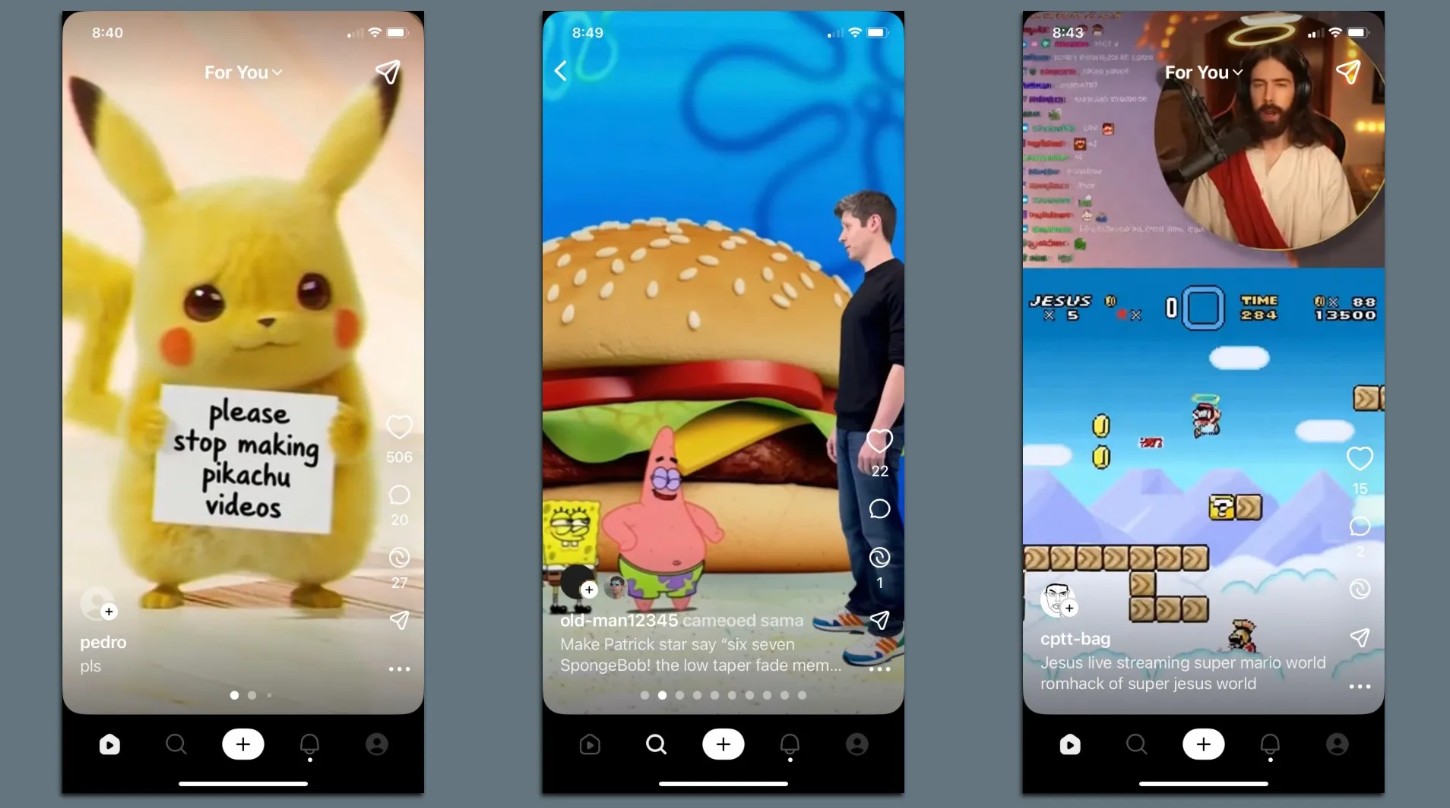
However, with opportunity comes responsibility. The ethical implications of AI will become increasingly important. As video creation tools become more widespread, users need to be aware of the line between creativity and misuse. Using Sora to create deepfakes, impersonate real people, or spread misinformation could have serious consequences. Therefore, alongside technological development, a clear legal framework and specific guidelines for users are needed, especially in the media and education sectors.
Sora is not just an AI-powered video creation app; it's a testament to the changing creative mindset of our time. OpenAI's decision to bring Sora to Android users in Vietnam is not just about expanding the platform, but about giving millions of people the opportunity to participate in the digital creativity revolution.





















VIP Products








Best Selling Products
Adobe Premiere Pro Account
99 USD
Upgrade Duolingo Super
29 USD
Adobe Photoshop Copyright - Full App
120 USD
Copyright Adobe Lightroom Account
59 USD
Upgrade genuine Capture One account
120 USD
MidJourney Account
29 USD
Upgrade Genuine Office 365
49 USD
Autodesk All App Account Copyright
120 USD
Capcut Pro 1 Year
39 USD
Plugin Retouch4me
69 USD
Freepik Premium Account
59 USD
Genuine Cheap Canva Pro
39 USD
Genuine Adobe Illustrator account
99 USD
Windows 10 & 11 Pro Key
36 USD
ChatGPT Plus Account (GPT-4)
16 USD