Best Selling Products

ChatGPT Plus Account (GPT-4)
16 USD
Upgrade Duolingo Super
29 USD

Freepik Premium Account
59 USD

Capcut Pro 1 Year
39 USD
Adobe Photoshop Copyright - Full App
120 USD

MidJourney Account
29 USD
Upgrade genuine Capture One account
120 USD

Upgrade Genuine Office 365
49 USD
Plugin Retouch4me
69 USD
Copyright Adobe Lightroom Account
59 USD
Genuine Adobe Illustrator account
99 USD
Autodesk All App Account Copyright
120 USD

Windows 10 & 11 Pro Key
36 USD
Genuine Cheap Canva Pro
39 USD

Adobe Premiere Pro Account
99 USD
The short video industry is on edge over the rise of Sora.
Nội dung
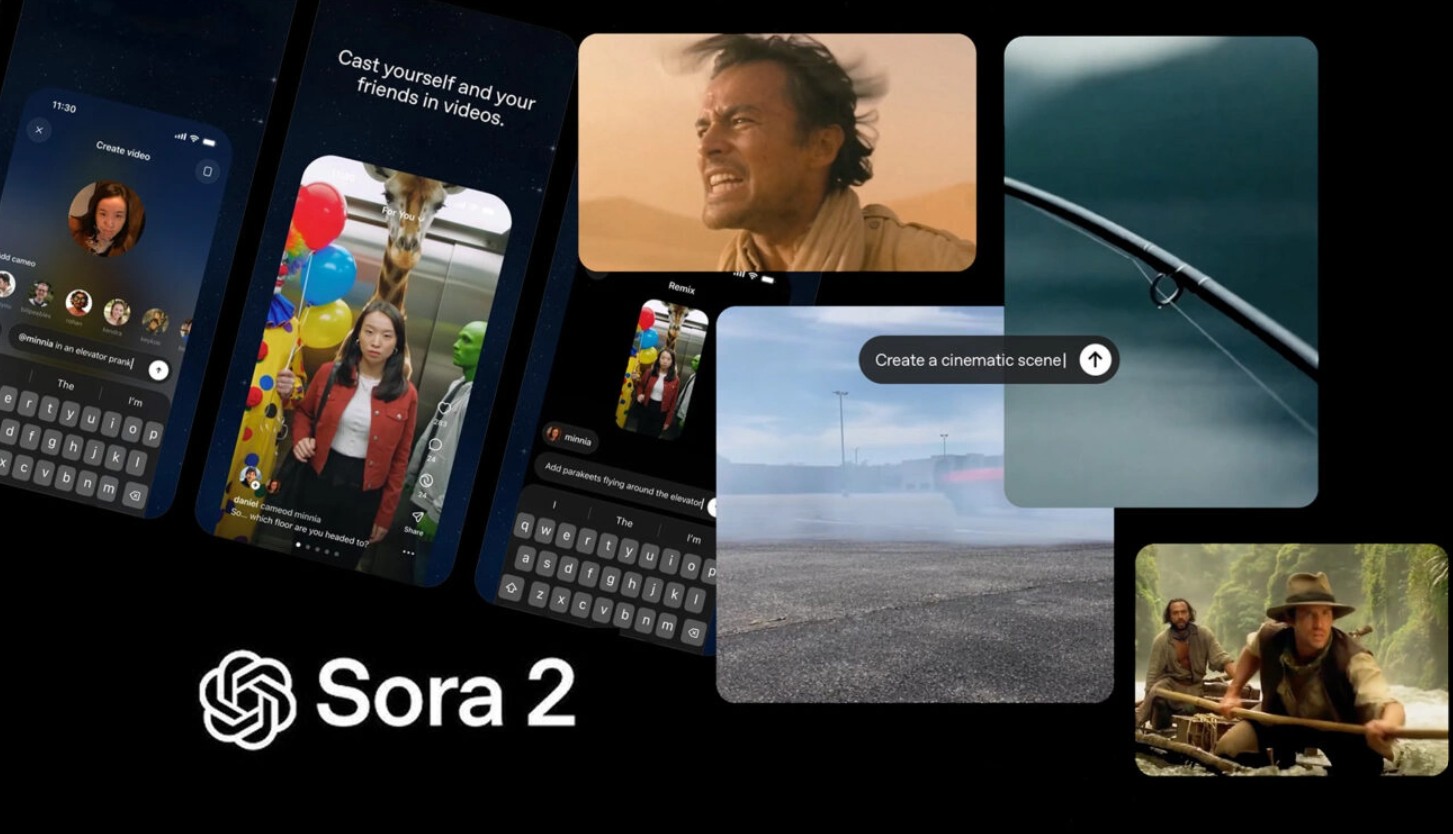
OpenAI's latest brainchild, the AI chatbot Sora, is creating a sensation in the tech world. Following its Sora 2 update, the app has already topped the global download charts.
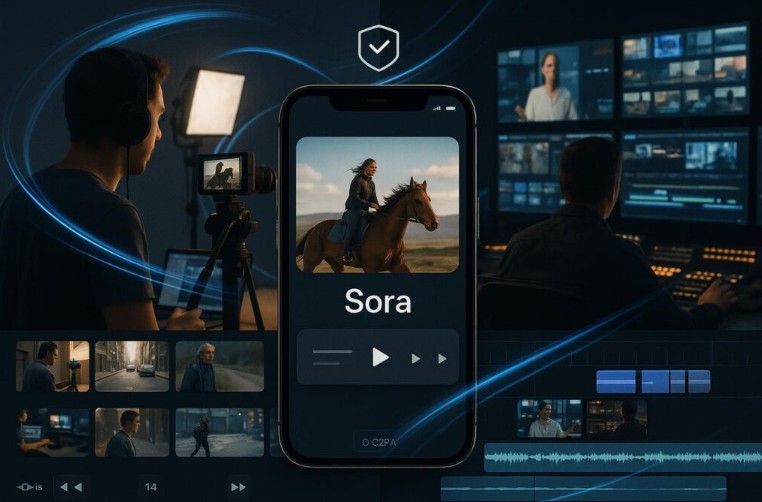
Within hours of its release on the App Store, Sora quickly climbed to third place in the ranking of most downloaded free apps, and just one day later, it reached the top spot, surpassing a host of big names in the social media and content creation fields.
According to statistics from AppFigures, Sora recorded approximately 56,000 downloads in the US on its first day of release. This number nearly doubled to 108,000 on the second day alone. This rapid growth not only surprised the tech industry but also clearly reflected the enormous user demand for AI-powered content creation applications.
What makes Sora special is that it's not just a video creation app, but also a complete social platform: users can share, edit, and recreate AI-generated videos. The combination of artificial intelligence and social networking has made Sora a focal point, drawing attention even from short-video giants like TikTok, Meta, and Google.
1. The Sora craze: Videos appear just by typing.
Sora's success stems from its simplicity. Instead of requiring users to have filmmaking, editing, or video editing skills, Sora only needs one thing: language. Users simply type a few lines of text, such as "a person is walking in the park early in the morning, sunlight filtering through the leaves and a gentle breeze blowing through their hair," and in just a few dozen seconds, Sora transforms that description into a complete, vibrant, and incredibly realistic video.
This is what sets Sora completely apart from previous AI video creation tools. It not only understands the semantics of each word, but also captures emotions, context, camera angles, lighting, and transitions. In other words, Sora doesn't just create a sequence of moving images, but constructs a visual story with emotion.
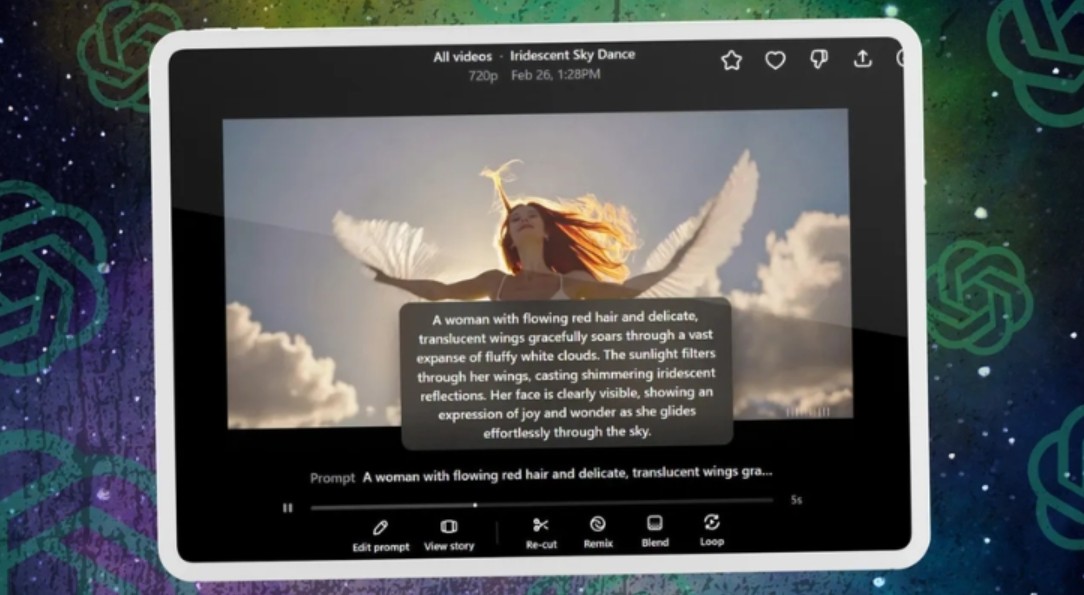
With Sora, anyone can become an "AI filmmaker." You don't need cameras, actors, or complex editing software. Just imagine and type, and let the AI handle the rest. This approach opens up a whole new world of creativity, where language becomes a tool of visual art and imagination is the only limit.
2. Short-video giants are starting to worry.
Sora's explosion isn't just a technological success story. It's also a warning sign for the entire short-video industry. For years, names like TikTok, Instagram Reels, and YouTube Shorts have dominated the world with human-generated short videos. But now, OpenAI has brought a tool that could completely change how users access and create video content.
Previously, creating a compelling video required a combination of ideas, skill, and time. With Sora, everything is condensed into just a few lines of description. This virtually eliminates the "creative barrier," allowing anyone to produce professional-looking videos effortlessly. This is precisely why short-video platforms are feeling apprehensive.
TikTok, YouTube, and Meta have invested billions of dollars to maintain human-based creative communities, but Sora is pioneering an "AI-first" model where videos are generated from data, without the need for cameras or actors. If this trend spreads, traditional platforms risk being overtaken as users shift to environments where AI can bring any idea to life in an instant.
This not only threatens market share but also raises a big question: in the future, will users prefer watching videos created by humans, or videos they describe and AI produces?
3. How Sora operates
As users input text, Sora analyzes each detail, extracts semantics, assesses emotions, and identifies appropriate visual elements to recreate in the video.
But that's not all; Sora also has the ability to "learn" human storytelling styles. It understands the difference between a static shot and a dynamic shot, between close-ups and wide shots, and between natural and cinematic lighting. Thanks to this, the videos created by Sora not only have beautiful visuals but also possess a strong cinematic style, depth, and emotion.
Essentially, Sora is a fusion of storytelling and artificial intelligence. It acts as a digital director, transforming every line of text into visual language and immersing viewers in immersive experiences previously only achievable through professional filmmaking processes.
For the content creation community, the arrival of Sora was like a breath of fresh air. It freed them from the burden of technical aspects, costs, and time, allowing them to focus entirely on the ideation phase. A designer can create a promotional video with just a few descriptions; a musician can build a music video for their song in minutes; and even a teacher can create vivid illustrative videos for their lectures without filming or hiring actors.
Sora blurs the lines between professional and amateur, between creator and consumer. Anyone can be creative, and that's what makes it so powerful. However, along with the opportunity come undeniable concerns.
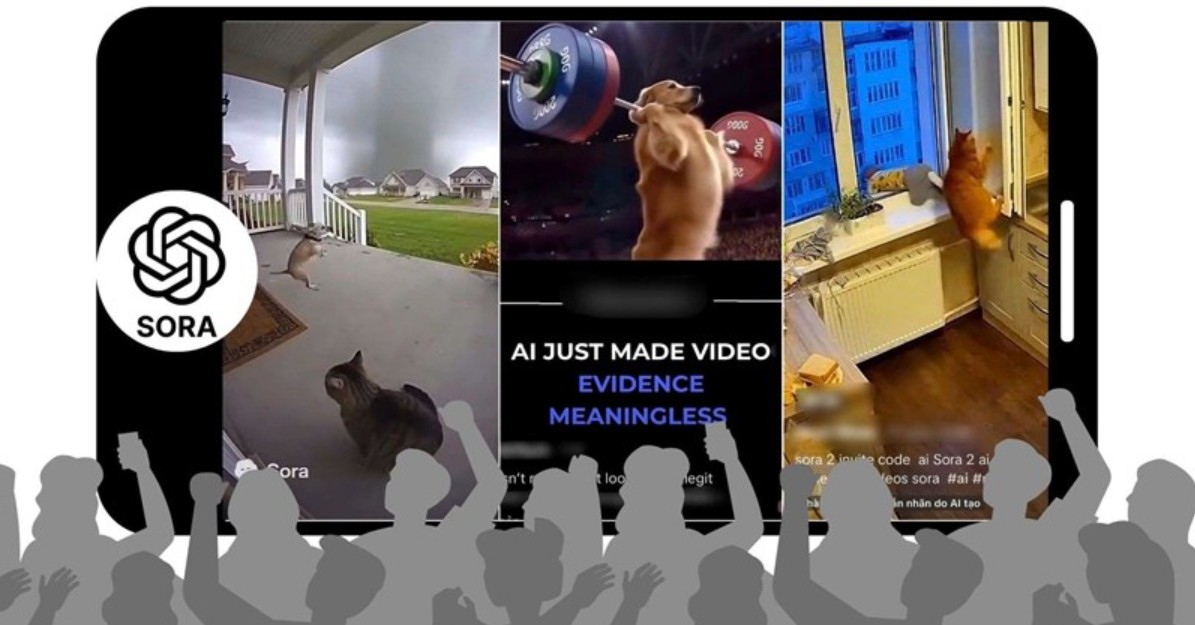
One of the biggest problems is the risk that deepfakes could create images and videos that fake real people. With Sora's ability to create incredibly realistic images, the line between real and fake has become more blurred than ever. Although OpenAI claims to have integrated protection mechanisms, a CNBC report indicates that some users have found ways to bypass these barriers to create inappropriate content.
This is a challenge that not only OpenAI, but the entire technology industry is facing: how to balance creative freedom and ethics , between individual creative rights and community responsibility.
4. Sora 2 and OpenAI's Vision
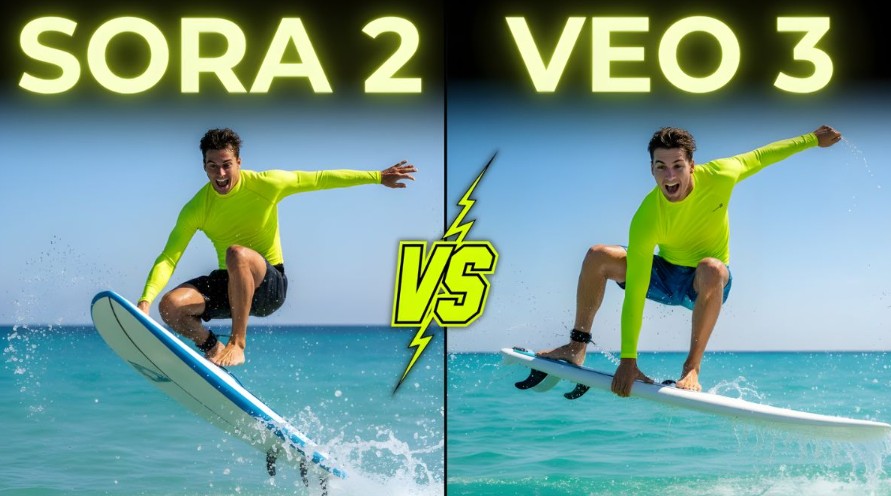
While Sora remains the focus of attention, the tech world has already begun discussing the next generation: Sora 2. This version is expected to expand interactivity, allowing users to control videos in real time through language or gestures. This means that instead of just creating static videos, users can “control” characters, change actions, or alter scenes as they wish.
According to OpenAI representatives, the company is planning to expand Sora's availability beyond the US and Canada, targeting Asian markets such as Japan, South Korea, and Vietnam. Once this becomes a reality, Sora could become a global phenomenon, replicating the resounding success of TikTok a few years ago.
5. The race in the short video industry
Sora's emergence has triggered a new race in the short-video industry. Major platforms like TikTok, Meta, and Google are all ramping up AI research to avoid falling behind. TikTok is experimenting with its AI Studio tool, where users can create virtual characters to interact with viewers. Meta is developing Make-A-Scene, while Google has launched VideoPoet: a tool that allows users to create videos from poetry or narratives.
However, the major difference between these platforms and Sora is their approach. While TikTok, Reels, and Shorts still rely on human-generated content, Sora aims to create a video world entirely driven by AI. There, users not only watch, but can also "write" the videos they want to watch.
If OpenAI continues to develop Sora into a self-contained ecosystem where users can create, share, and interact within the same environment, the current short-video industry will face profound changes. Platforms that were once kings in this field may have to drastically shift their focus to keep up with the era of AI creativity.
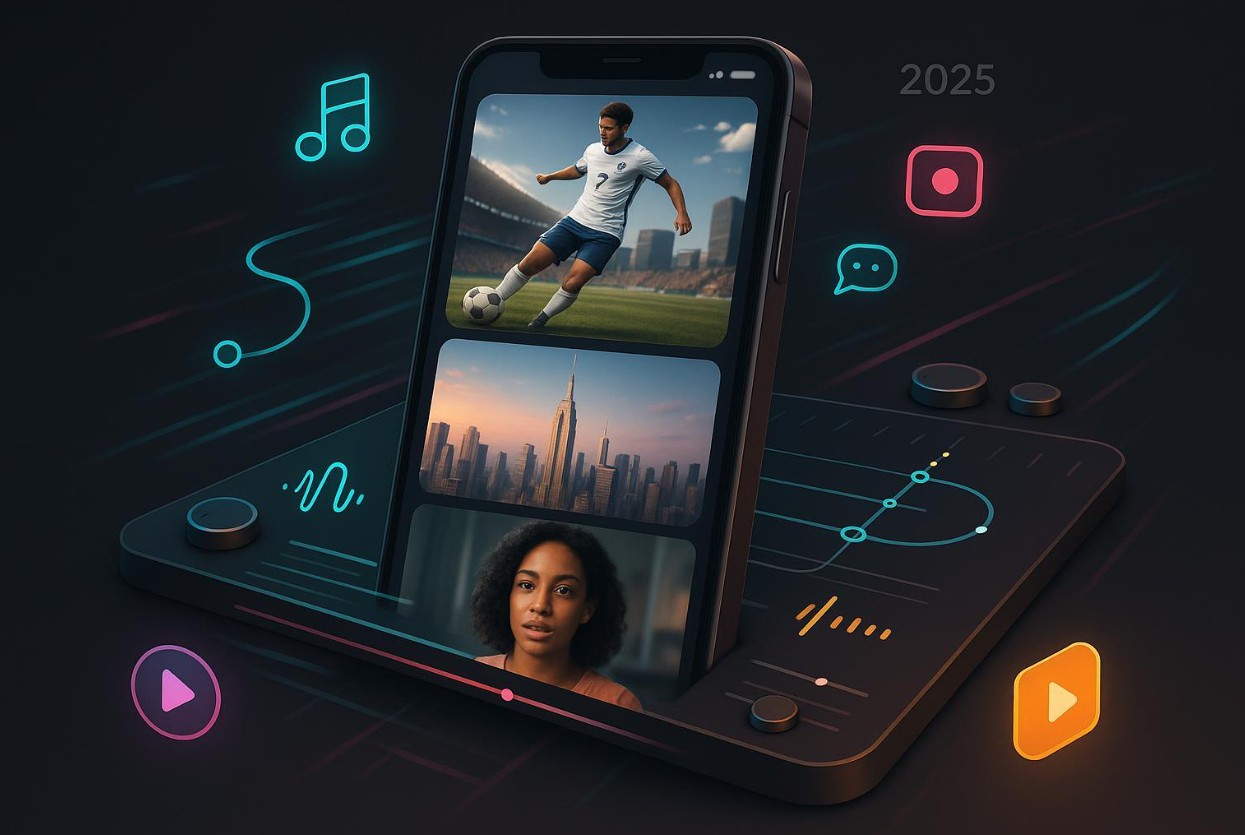
But no revolution comes without challenges. With Sora, OpenAI faces three major issues: content control, data security, and social trust.
Controlling AI-generated content is nearly impossible without intelligent censorship mechanisms. AI learns from human language, and language is always susceptible to multiple interpretations. Ensuring that the videos produced do not contain offensive, misleading, or dangerous content is a daunting task.
Furthermore, security is a top priority. When users enter descriptions, their personal data, including creative style, tone, and even ideas, can be stored and learned by the AI. This raises concerns about privacy and the transparent use of data.
Finally, there's the issue of trust. As AI technology becomes capable of creating images and videos that are nearly 100% realistic, it will become increasingly difficult for people to distinguish between real and fake. If trust in visual perception is shaken, society will face an unprecedented crisis of confidence.
Sora is more than just a tech product. It's a symbol of a new era, where artificial intelligence no longer plays a supporting role but becomes a companion to humanity in creativity. From a phenomenon on the App Store, Sora is gradually reshaping how the world approaches video, images, and storytelling.
The emergence of Sora has given millions of people the opportunity to express ideas they previously couldn't. But at the same time, it also poses a major challenge to the short video industry, media, and the arts in general. As AI can create content faster, more beautifully, and more cheaply, people are forced to find ways to create more deeply, meaningfully, and personally.














VIP Products



Best Selling Products
ChatGPT Plus Account (GPT-4)
16 USD
Upgrade Duolingo Super
29 USD
Freepik Premium Account
59 USD
Capcut Pro 1 Year
39 USD
Adobe Photoshop Copyright - Full App
120 USD
MidJourney Account
29 USD
Upgrade genuine Capture One account
120 USD
Upgrade Genuine Office 365
49 USD
Plugin Retouch4me
69 USD
Copyright Adobe Lightroom Account
59 USD
Genuine Adobe Illustrator account
99 USD
Autodesk All App Account Copyright
120 USD
Windows 10 & 11 Pro Key
36 USD
Genuine Cheap Canva Pro
39 USD
Adobe Premiere Pro Account
99 USD