Best Selling Products
Capcut Pro 1 Year
39 USD
Upgrade Duolingo Super
29 USD
Adobe Premiere Pro Account
99 USD

ChatGPT Plus Account (GPT-4)
16 USD
Windows 10 & 11 Pro Key
36 USD
Genuine Cheap Canva Pro
39 USD
Freepik Premium Account
59 USD
Genuine Adobe Illustrator account
99 USD
Upgrade genuine Capture One account
120 USD
Adobe Photoshop Copyright - Full App
120 USD
Autodesk All App Account Copyright
120 USD
MidJourney Account
29 USD
Upgrade Genuine Office 365
49 USD
Copyright Adobe Lightroom Account
59 USD
Plugin Retouch4me
69 USD
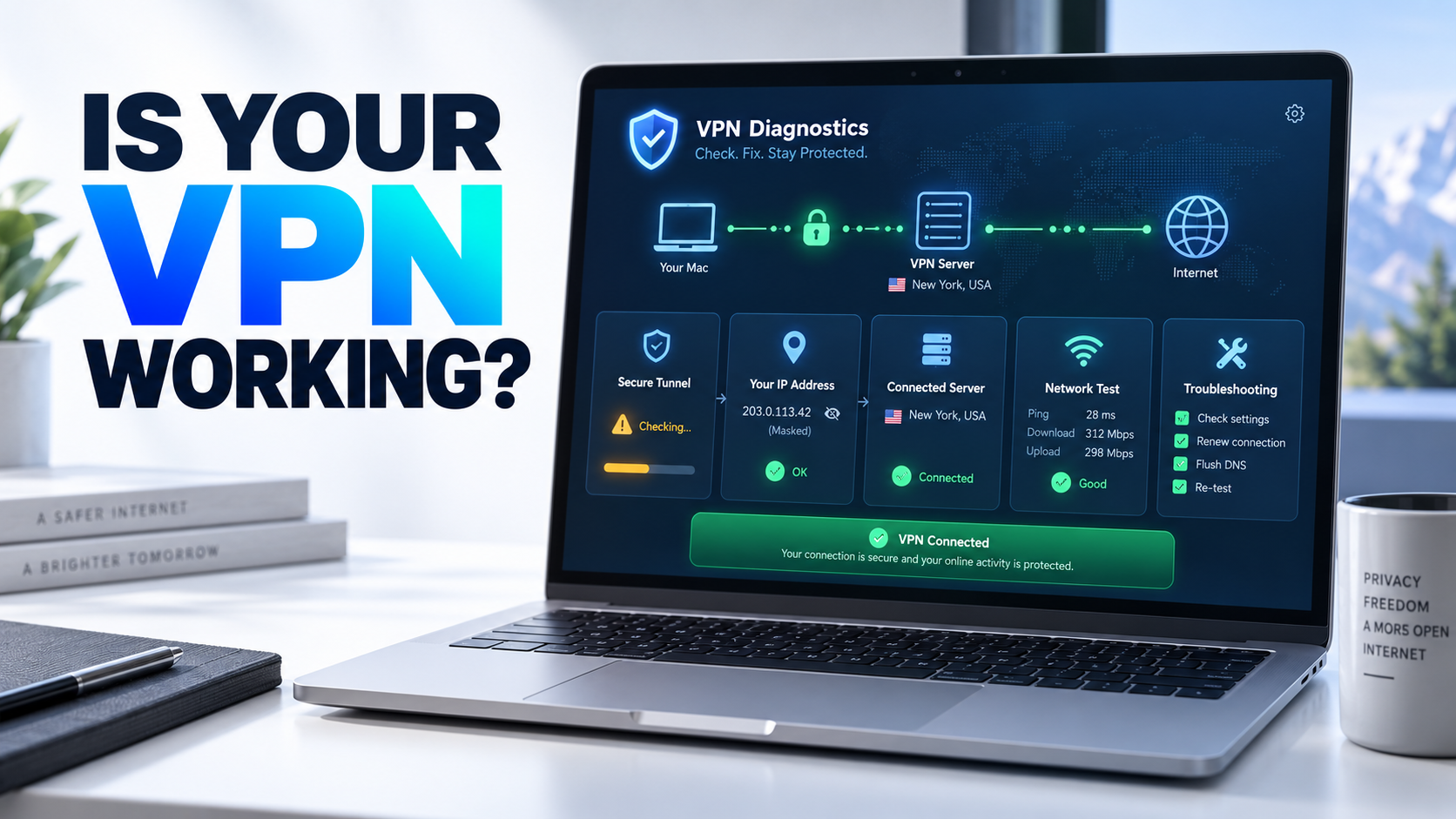
The downsides of VPNs that everyone should know before using them.
Nội dung
- 1. Many online platforms silently reject connections when you turn on a VPN.
- 2. You are entrusting all your personal traffic to a third party.
- 3. Your internet speed may slow down noticeably.
- 4. A quality VPN service means an additional monthly fee.
- 5. A VPN cannot make you completely anonymous.
- 6. Conclusion
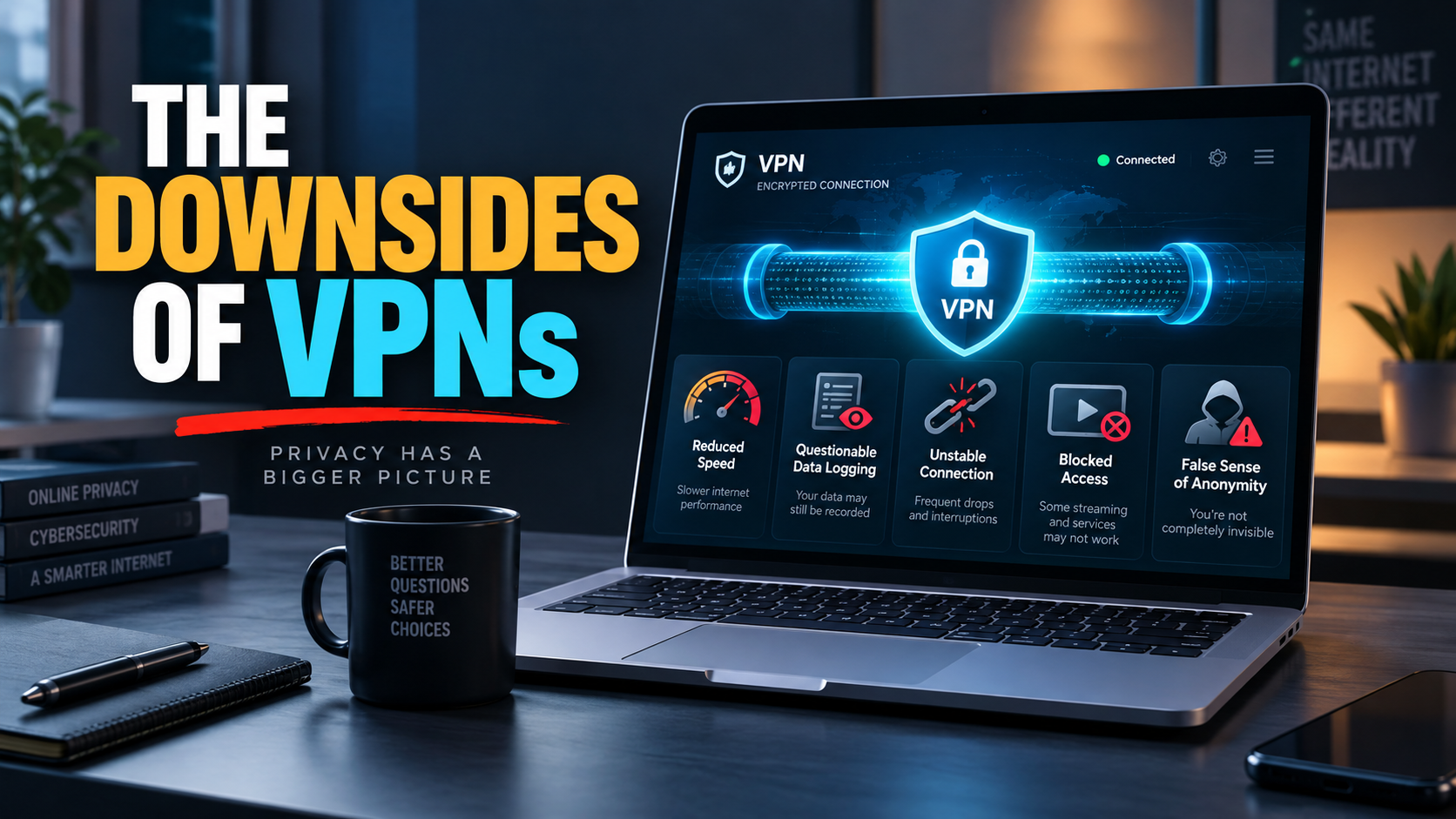
VPNs are becoming an increasingly popular tool for those concerned about protecting their personal data, especially in the context of growing emphasis on internet privacy. However, not everything about VPNs is as perfect as many people think. This service cannot eliminate all risks when you browse the web, and sometimes it can even create new problems for users. The actual level of security of a VPN also depends heavily on the provider you choose.
1. Many online platforms silently reject connections when you turn on a VPN.
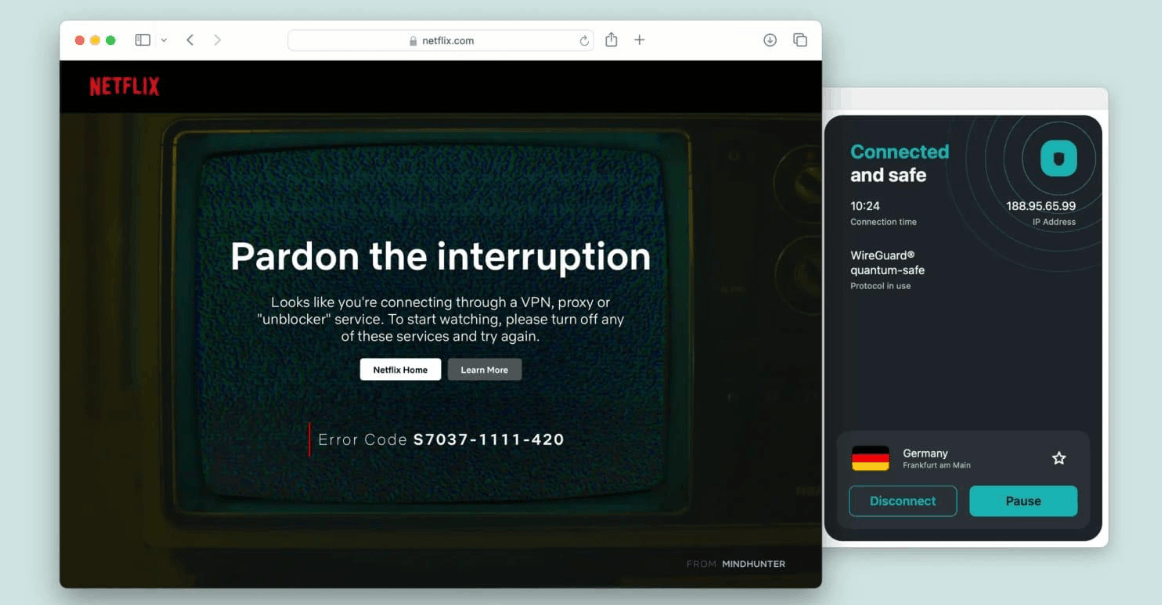
A common drawback of VPN services is that not all websites or apps work smoothly when you turn on a VPN. Banks, online payment systems, and platforms with strict security monitoring mechanisms often flag traffic coming from VPNs as suspicious, blocking your access immediately. You may also encounter CAPTCHA verification codes or two-factor authentication requests more frequently than usual, as these platforms often associate VPN use with potential fraud, due to the IP address not matching the user's actual location.
Online streaming services for movies and music face similar problems, especially when users aim to access content exclusive to certain countries. The issue is that these platforms are becoming increasingly sophisticated in identifying and blocking VPN connections, so encountering error messages even when paying for a high-quality VPN service is not uncommon. Many users mistakenly believe that VPNs guarantee unlimited access to any content, but in reality, this capability is often far more limited than initially expected.
2. You are entrusting all your personal traffic to a third party.
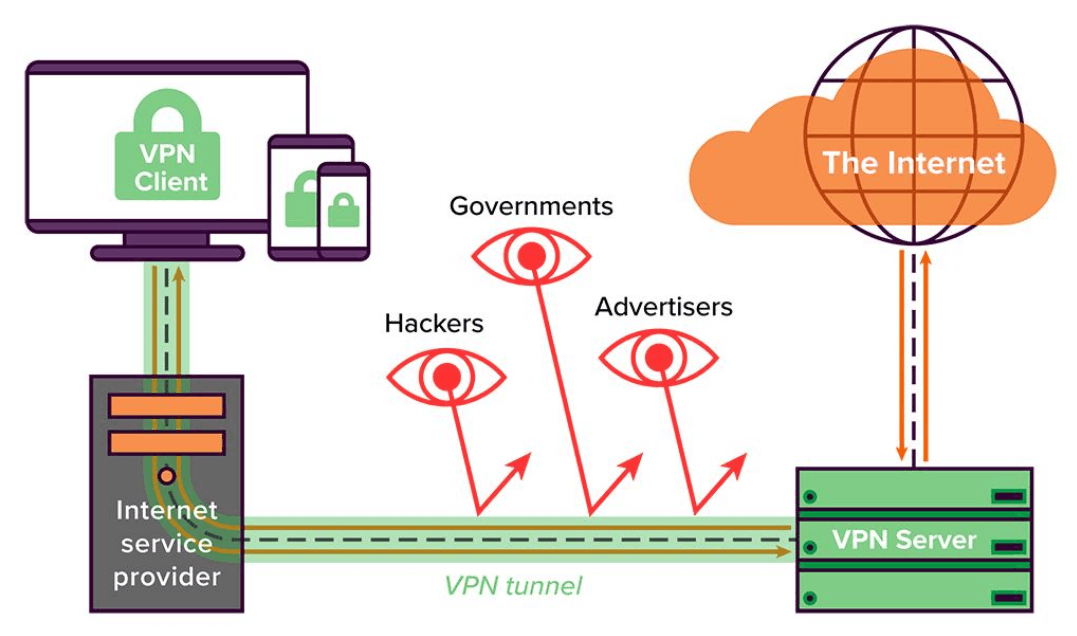
For many people, using a VPN is a way to protect their data, but it also means you're placing your trust in another company to hold that private data. This is because even though the websites you visit no longer see a portion of your traffic, the VPN provider is filling that gap in the entire connection process. If the company operating the service isn't transparent about the types of information they collect, your data could easily be accessed by untrustworthy parties.
What is logged can vary depending on the provider, but it typically includes IP addresses, connection times, servers used, and even websites you visited via DNS data. Such activity logs can become a serious security threat, especially if the company hosting them experiences a data leak or faces legal challenges from authorities. This is why choosing a service with a no-logs policy is so important.
This risk is often higher with free VPN services or lesser-known providers, especially when you can't find any transparency about how that company operates its infrastructure. For that reason, you should check the reliability of a VPN service through independent audits, incident history, or publicly available privacy policies, rather than relying solely on an attractive price to make your decision.
3. Your internet speed may slow down noticeably.
When subscribing to a VPN service, one of the biggest drawbacks many users face is a drop in connection speed. This is primarily because your data no longer follows the shortest path between your computer and the website you want to access. Before reaching its destination, the data must pass through the VPN server to be encrypted and rerouted, adding several intermediate steps to the transmission process.
You can't accurately predict the extent of the slowdown you'll experience, as this often depends on many different factors. For example, the geographical distance to your chosen VPN server, the load on that server at the time of connection, or even the type of protocol being used. Connecting to a server located in a different country often significantly increases latency, so even the best-rated VPN services on the market can still slow your network speed.
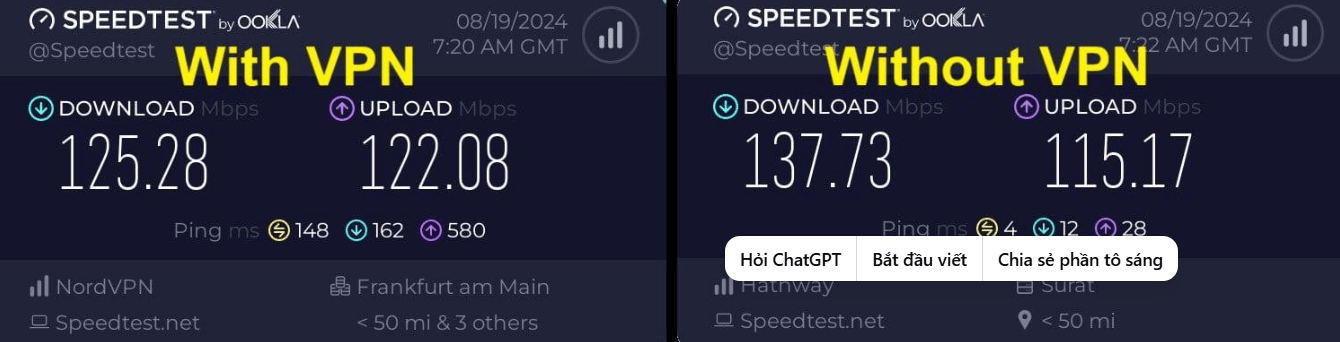
Depending on the usage, the impact of speed reduction can vary significantly. For example, this drop might not be very noticeable when you're just watching videos or browsing the web, but for those who frequently play online games or make video calls via VPN, the lag caused by increased latency will become much more apparent.
4. A quality VPN service means an additional monthly fee.
While some free VPN services exist on the market, the most reliable ones typically require a monthly or annual fee. This means that if you want guaranteed privacy while browsing the internet, you'll have to accept an additional recurring cost to add to your monthly budget. Depending on your choice, this cost can be significant, especially if you're already paying for streaming services, cloud storage, or other platforms.
However, in addition to offering a higher level of privacy, paid VPN services often come with many other added benefits. One of these is a much wider selection of servers, resulting in faster connection speeds, along with the ability to support multiple devices simultaneously. These differences can make a premium VPN package worthwhile, especially for users seeking modern security protocols or other advanced security features.
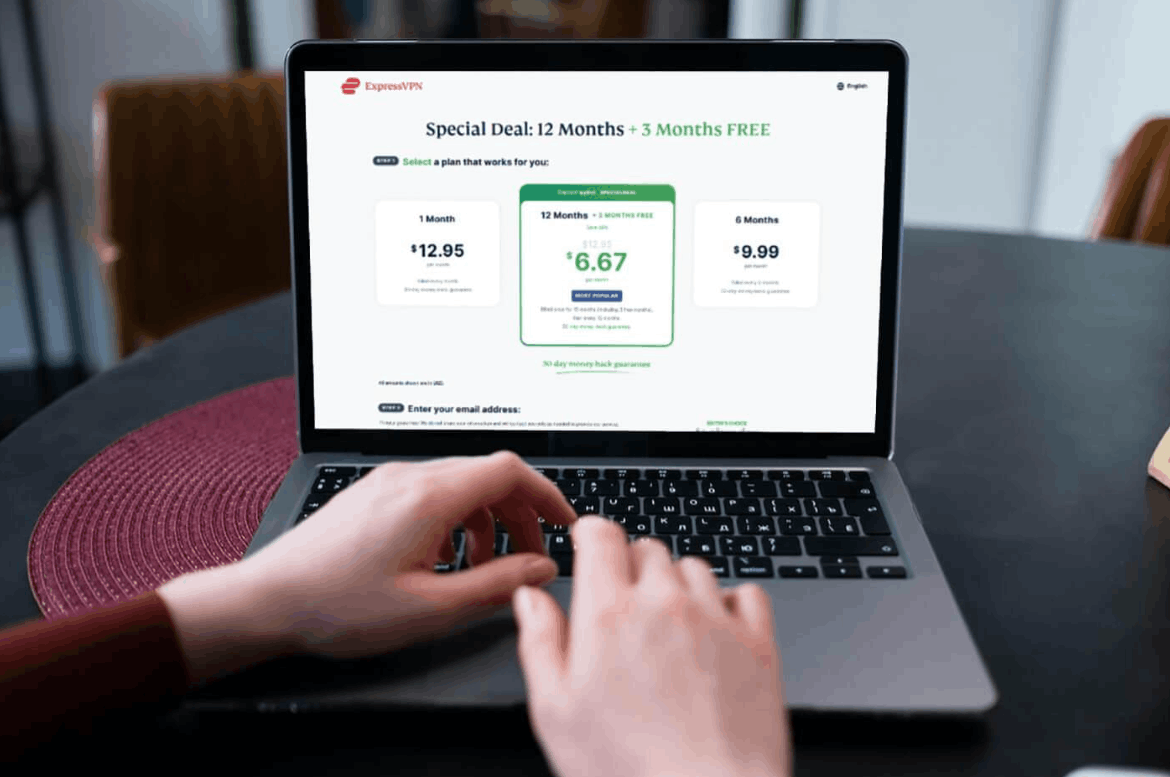
Another point to note is that to save on subscription costs, VPN services often require users to pay upfront for the entire duration of use. For example, you might get an attractive discount if you sign up for a one-year or multi-year plan, but in return you have to pay the full cost upfront, which may not be suitable for many people and could tie them to that service for a long period of time.
5. A VPN cannot make you completely anonymous.
One of the most common misconceptions is that a VPN will protect you from everything and keep you completely anonymous online. In reality, this service only masks your IP address and encrypts data traffic between your device and the VPN server, which is very helpful in combating geolocation-based tracking. However, this level of protection is still far from covering all the risks that exist when you browse the web daily.
Threats such as online scams, malware downloads, and tracking cookies can still occur even with a VPN enabled, because VPNs themselves lack the ability to analyze website content or block infected files. Browser fingerprinting techniques can also easily bypass this protection, as can tracking through logged-in accounts such as Google or social media accounts. Therefore, VPNs are absolutely no substitute for antivirus software or other basic security practices that you should maintain.
To fill these gaps, you can apply various other measures to address specific issues, instead of relying solely on a VPN. Prioritizing access to websites using the HTTPS protocol, using encrypted DNS, installing tracking blockers, adjusting browser privacy settings, enabling two-factor authentication, and always being cautious when using public networks will help you narrow down the vulnerabilities that a VPN cannot cover on its own, thereby creating a more comprehensive layer of protection in your daily life.
6. Conclusion
VPNs are certainly a useful tool for protecting privacy and personal data, but as discussed above, they are not a perfect solution for every situation. From being blocked by some platforms, having to trust the service provider, accepting slower network speeds, incurring additional monthly costs, to the inability to achieve absolute anonymity, each limitation is something you need to carefully consider before deciding to commit to a VPN service long-term.
The most important thing is to understand what a VPN can and cannot do, and then combine it with other security measures to build a more comprehensive protection system for yourself. When choosing a provider, prioritize services with transparent policies, proven reputation, and features that suit your actual needs, rather than just chasing cheap prices or unsubstantiated advertisements. Only by understanding both the advantages and disadvantages can you use a VPN intelligently and effectively.












VIP Products
Best Selling Products
Capcut Pro 1 Year
39 USD
Upgrade Duolingo Super
29 USD
Adobe Premiere Pro Account
99 USD
ChatGPT Plus Account (GPT-4)
16 USD
Windows 10 & 11 Pro Key
36 USD
Genuine Cheap Canva Pro
39 USD
Freepik Premium Account
59 USD
Genuine Adobe Illustrator account
99 USD
Upgrade genuine Capture One account
120 USD
Adobe Photoshop Copyright - Full App
120 USD
Autodesk All App Account Copyright
120 USD
MidJourney Account
29 USD
Upgrade Genuine Office 365
49 USD
Copyright Adobe Lightroom Account
59 USD
Plugin Retouch4me
69 USD