Best Selling Products
Genuine Cheap Canva Pro
39 USD
Genuine Adobe Illustrator account
99 USD
Autodesk All App Account Copyright
120 USD
Adobe Premiere Pro Account
99 USD

ChatGPT Plus Account (GPT-4)
16 USD
Windows 10 & 11 Pro Key
36 USD
Upgrade Duolingo Super
29 USD

Capcut Pro 1 Year
39 USD
Upgrade genuine Capture One account
120 USD
Plugin Retouch4me
69 USD

Freepik Premium Account
59 USD
Copyright Adobe Lightroom Account
59 USD
Adobe Photoshop Copyright - Full App
120 USD
Upgrade Genuine Office 365
49 USD
MidJourney Account
29 USD
Times Microsoft made the world "sweat" because of Windows Update
Nội dung
- 1. Windows 10 version 1809 and the data loss nightmare.
- 2. PrintNightmare and the 2021 security earthquake.
- 3. The Blue Screen of Death and Bill Gates' Embarrassing Moment
- 4. The fight against cracking backfires.
- 5. The CrowdStrike Incident and a New Warning for the Tech World
- 6. What changes has Microsoft made to Windows 11?
With Windows being ubiquitous, every incident has the potential to cause damage on a global scale. These are disasters Microsoft certainly doesn't want to relive.
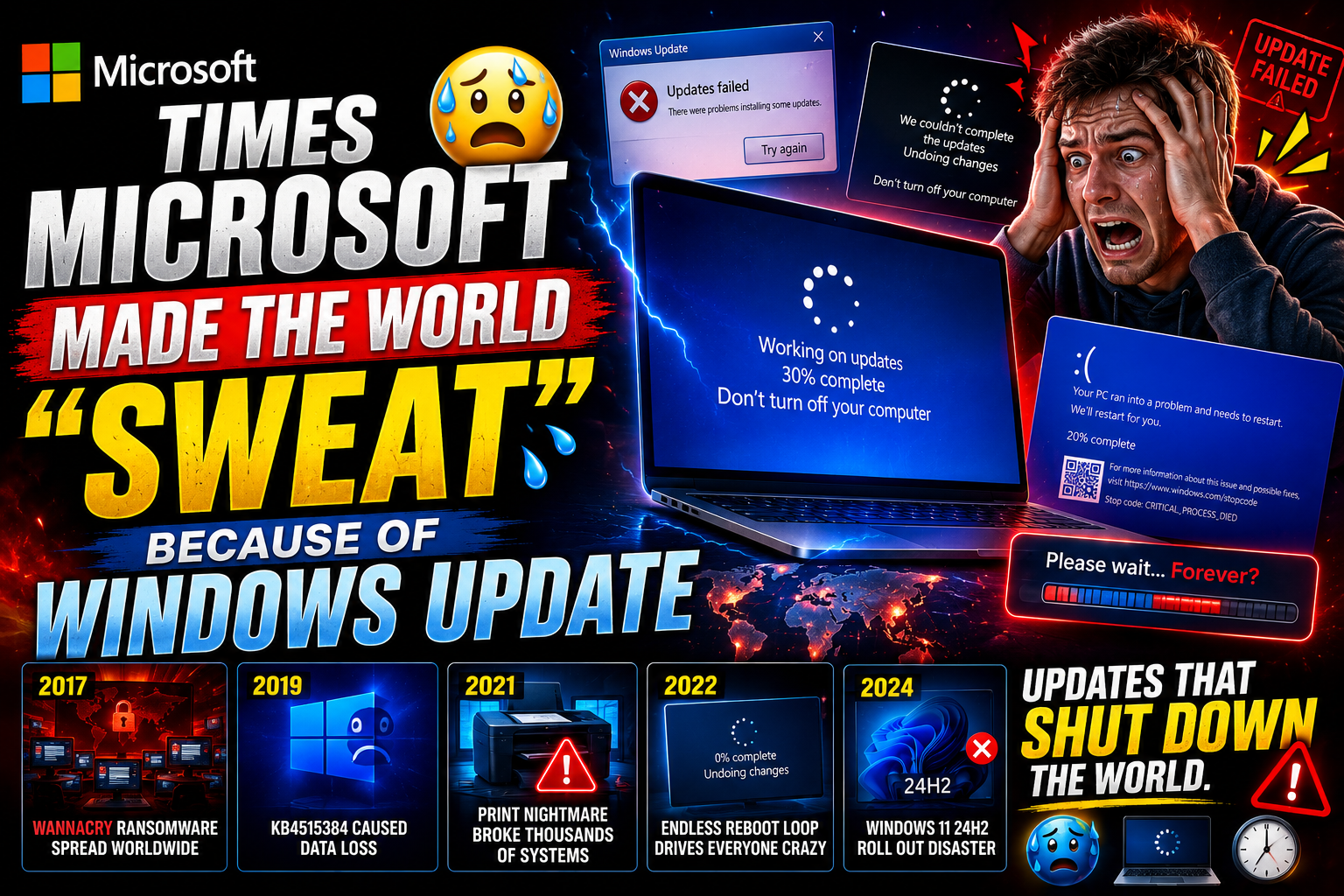
1. Windows 10 version 1809 and the data loss nightmare.
In 2018, Microsoft released a major update for Windows 10 called version 1809. This was expected to be one of the most important upgrades to the operating system, with many improvements to the interface, synchronization capabilities, and performance.
However, just days after its release, the internet began to flood with panicked reports from users. Numerous people discovered that all their documents, images, videos, and personal data in default folders like Documents or Pictures had completely disappeared after the system upgrade.
What angered users wasn't just the error itself, but its severity. In many cases, the data wasn't in the Recycle Bin and couldn't be recovered using conventional tools. For those who don't regularly back up their data, years of work could be wiped out with a single update.
Initially, many thought this was just an isolated incident. But as the number of reports increased, Microsoft was forced to acknowledge the problem. The company quickly halted the release of Windows 10 version 1809 and released an emergency patch.
Nevertheless, the damage has been done. For individual users, losing family photos or study materials is a major shock. But for small businesses, the loss of customer data or work records can have serious financial consequences.
This incident has led the tech community to question Microsoft's testing process. How could a critical bug capable of wiping user data pass through numerous testing phases before a global release?
Many experts believe the reason stems from Microsoft's increasing reliance on a continuous update model instead of the stable release cycle it had before. Windows 10 was marketed as "Windows as a service," meaning users regularly received new updates. However, this rapid pace of development sometimes resulted in insufficient quality control.
Following the 1809 incident, user confidence in Windows Update plummeted. Many began delaying updates or attempting to disable automatic updates for fear that their computers might malfunction at any time.
2. PrintNightmare and the 2021 security earthquake.
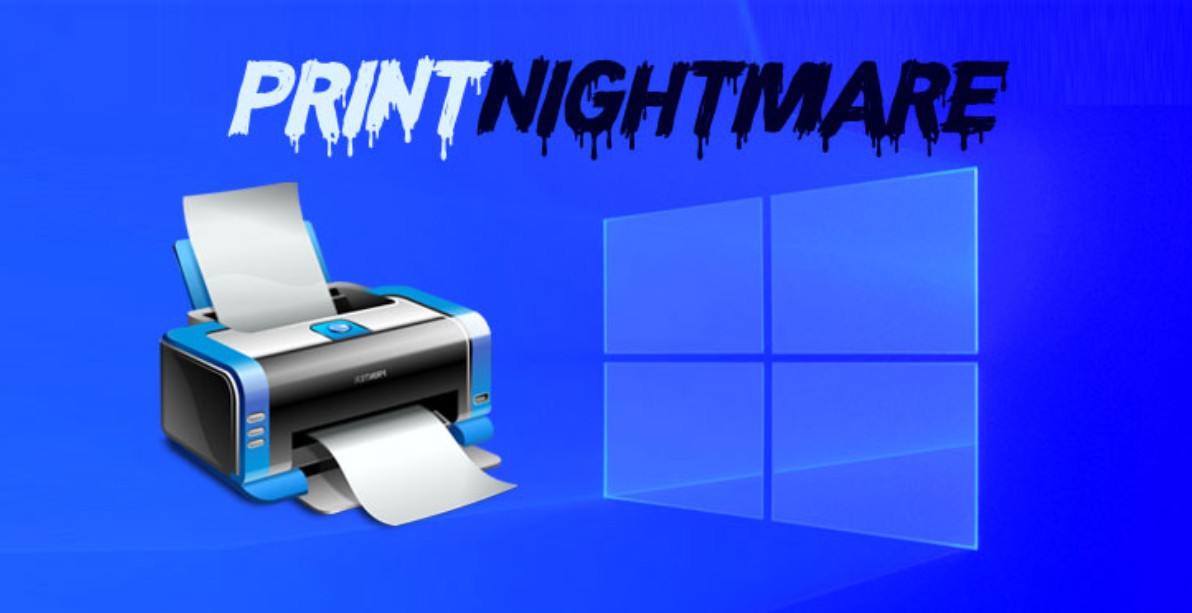
In 2021, cybersecurity experts discovered a serious vulnerability related to Windows' Print Spooler service, the component responsible for handling printing tasks in the operating system. Initially, no one thought that a familiar feature like the printer could become such a serious security threat.
This vulnerability is named PrintNightmare. The name alone speaks volumes about its danger.
Through PrintNightmare, hackers can remotely execute code and gain full control of Windows systems. Alarmingly, this vulnerability exists on numerous versions of Windows, from personal computers to enterprise servers.
As soon as the information spread, large organizations began to panic. Many companies were forced to disable printing services across their entire systems just to ensure security. Some government agencies even issued urgent warnings about the risk of a large-scale attack.
What made the situation even more chaotic was that Microsoft initially released a patch but didn't completely address the issue. Security researchers continued to discover new exploits even after the system had been updated.
In the IT world, printers are notoriously the most troublesome devices. But PrintNightmare has taken the "printer pain" to a whole new level. It turns a seemingly harmless office feature into a gateway for hackers to infiltrate systems.
This incident also reflects the fact that Windows is extremely complex. A small vulnerability in a component that few people pay attention to can still lead to a global crisis if it's in the world's most widely used operating system.
3. The Blue Screen of Death and Bill Gates' Embarrassing Moment
In the history of technology, few failed demonstrations have become as famous as the dreaded blue screen of death that appeared right in front of Bill Gates.
The event took place at the COMDEX 1998 exhibition, where Microsoft wanted to introduce the Plug-and-Play feature of Windows 98. This technology was advertised as allowing users to simply plug devices into their computers, and the system would automatically recognize and operate them.
At the time, plug-and-play was a revolutionary concept. PC users often struggled with drivers, hardware configurations, and a host of complex technical procedures. Microsoft wanted to prove that Windows 98 would simplify everything.
During a live demonstration in front of thousands of spectators, a scanner was connected to a computer running Windows 98. But instead of working smoothly, the screen immediately turned blue with a serious error message, which later became known worldwide as the "Blue Screen of Death" or BSOD.
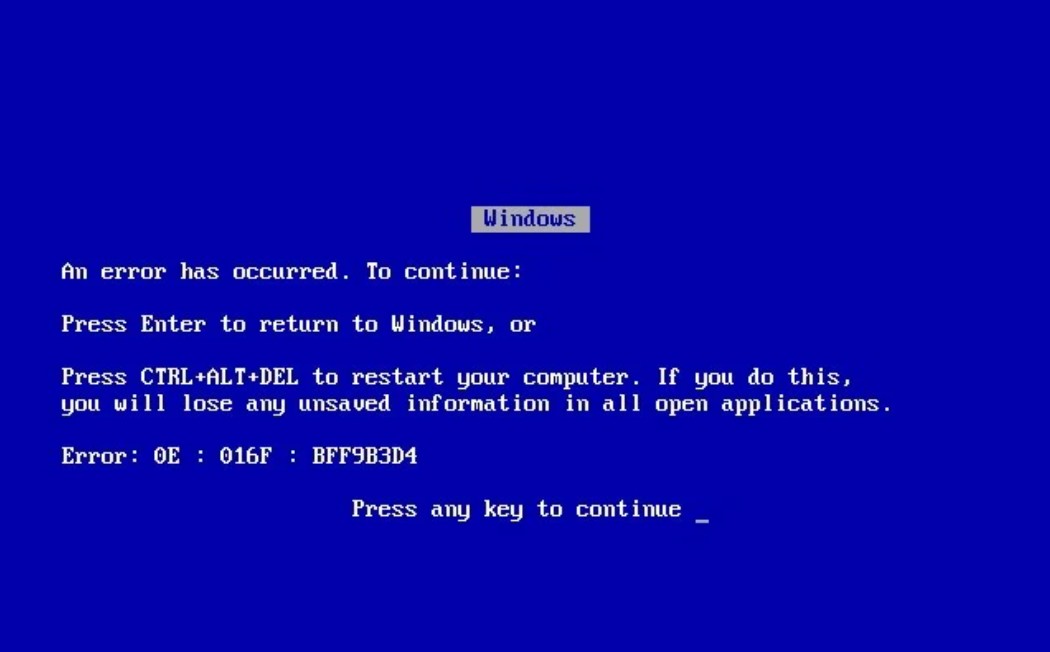
The entire audience burst into laughter as Bill Gates stood on stage trying to handle the situation. The billionaire then jokingly remarked, "That's probably why we haven't released Windows 98 yet."
This moment quickly became symbolic of Windows' instability for many years. BSOD has almost become Microsoft's "unintentional trademark."
Whenever the operating system encounters a serious error, a blue screen appears along with incomprehensible lines of code, causing users to panic. For the average user, this is almost a sign that the computer has "died".
4. The fight against cracking backfires.
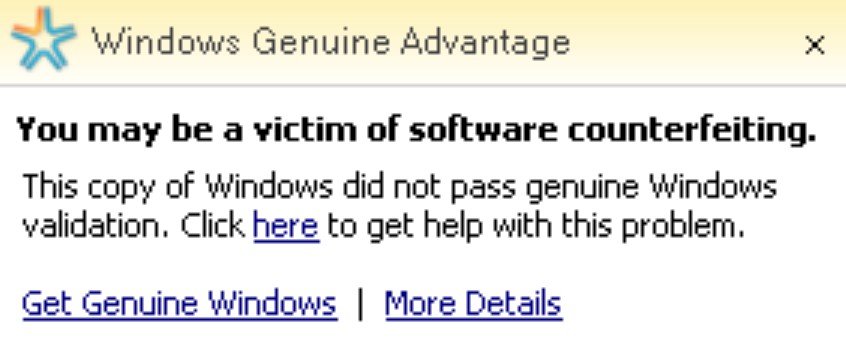
In 2007, Microsoft launched a product authentication system called Windows Genuine Advantage, commonly known as WGA. The goal of this tool was to detect users using pirated Windows and restrict certain operating system features.
At that time, software piracy was extremely common worldwide. Microsoft wanted to tighten controls to protect its revenue and encourage users to buy legitimate licenses.
However, things quickly backfired.
Due to a server authentication error, a large number of users with genuine Windows licenses were unexpectedly flagged as "pirated" by the system. Their computers constantly displayed annoying warnings, had limited interface customization options, and encountered difficulties with system updates.
Meanwhile, many cracked versions of Windows remain unaffected because they use tools to bypass the license check.
This ironic situation has angered users immensely. Customers who paid for legitimate Windows have become the victims, while pirated users are largely unscathed.
Microsoft subsequently apologized and fixed the problem, but the incident left a negative impression of how the company treats its loyal customers.
5. The CrowdStrike Incident and a New Warning for the Tech World
In 2024, the tech world witnessed another major shock related to the Windows ecosystem when a CrowdStrike incident caused a massive computer crash globally.
Although the direct cause wasn't Microsoft, this incident once again highlights the world's enormous dependence on Windows.
A single faulty security update deeply integrated into Windows caused disruptions to airports, banks, hospitals, and many large businesses. Numerous computers displayed blue screens and were unable to boot normally.
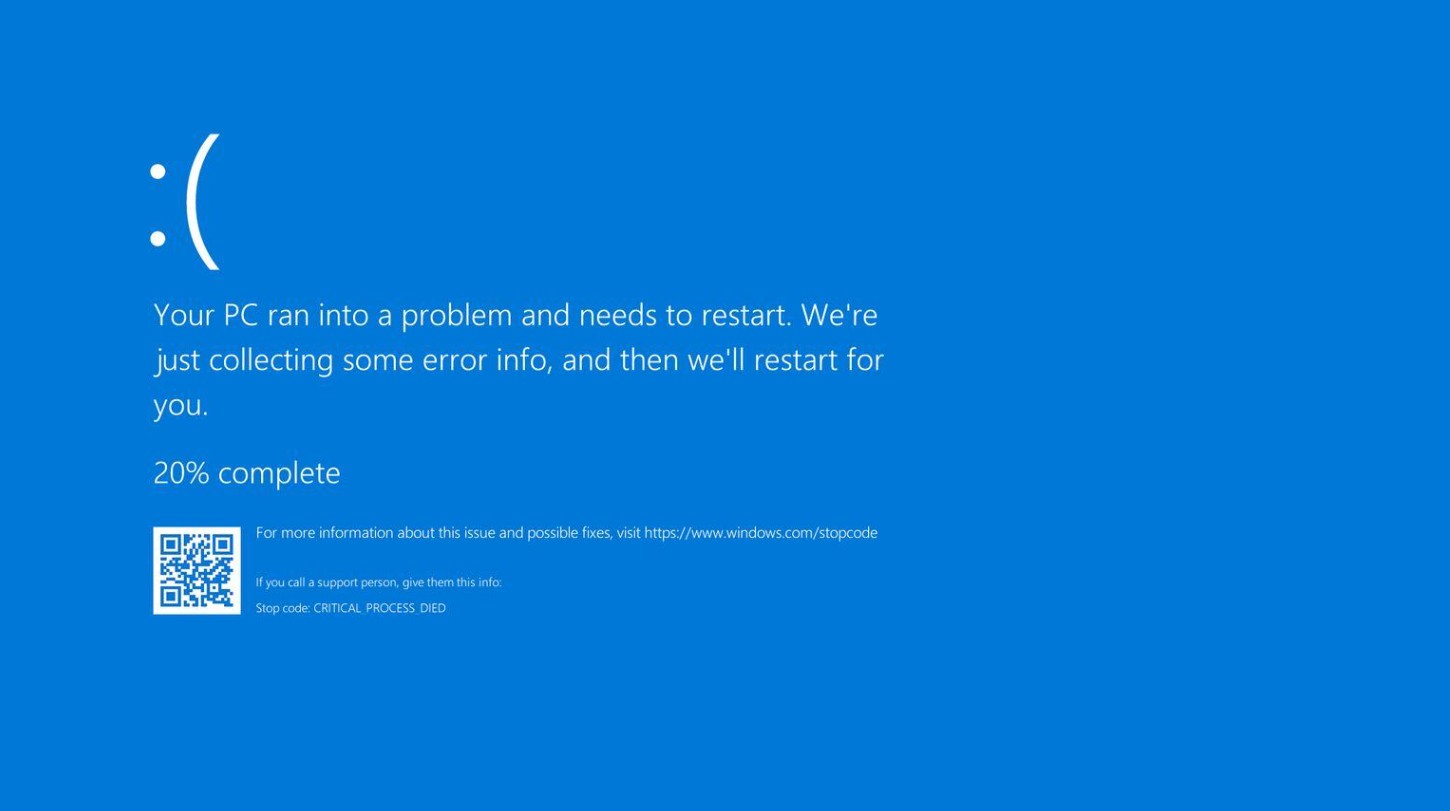
This event reminded many people of previous Windows Update disasters. It shows just how fragile the modern technology ecosystem is when so many critical services depend on a single platform.
In this era of complete digitalization, a software bug is no longer just a technical issue. It can directly impact transportation, finance, healthcare, and global supply chains.
CrowdStrike also prompted many experts to call for diversification of technology platforms instead of absolute dependence on Windows.
6. What changes has Microsoft made to Windows 11?
Following a series of major incidents, Microsoft clearly understands that it needs to improve its Windows development process if it wants to regain user trust.
With Windows 11, Microsoft implemented more rigorous testing measures. The company increased its use of AI to detect bugs, expanded the Windows Insider program, and distributed updates in stages instead of releasing them all at once.
Microsoft is also striving for greater transparency regarding known bugs in each update. Users can now track the status of issues and how to resolve them through official support pages.
Furthermore, Windows 11 is designed with a greater focus on security. New hardware requirements such as TPM 2.0 and Secure Boot are aimed at reducing the risk of system attacks.
However, despite improvements, Windows 11 is still not entirely free from controversy. Numerous updates continue to cause performance issues, driver conflicts, or software compatibility problems.
Nevertheless, it's undeniable that Microsoft remains a core platform in the modern technology world. Billions of people still use Windows every day for learning, working, and running businesses. What users expect isn't an absolutely perfect operating system, but rather greater care and transparency from Microsoft in each update. Because in the digital age, sometimes just a simple "Update Now" button can determine whether a peaceful workday or a disaster no one wants to face.



VIP Products

Best Selling Products
Genuine Cheap Canva Pro
39 USD
Genuine Adobe Illustrator account
99 USD
Autodesk All App Account Copyright
120 USD
Adobe Premiere Pro Account
99 USD
ChatGPT Plus Account (GPT-4)
16 USD
Windows 10 & 11 Pro Key
36 USD
Upgrade Duolingo Super
29 USD
Capcut Pro 1 Year
39 USD
Upgrade genuine Capture One account
120 USD
Plugin Retouch4me
69 USD
Freepik Premium Account
59 USD
Copyright Adobe Lightroom Account
59 USD
Adobe Photoshop Copyright - Full App
120 USD
Upgrade Genuine Office 365
49 USD
MidJourney Account
29 USD