Best Selling Products
Upgrade genuine Capture One account
120 USD

Capcut Pro 1 Year
39 USD

ChatGPT Plus Account (GPT-4)
16 USD

Plugin Retouch4me
69 USD

Genuine Adobe Illustrator account
99 USD

Adobe Premiere Pro Account
99 USD

Freepik Premium Account
59 USD

MidJourney Account
29 USD

Copyright Adobe Lightroom Account
59 USD

Autodesk All App Account Copyright
120 USD

Upgrade Duolingo Super
29 USD

Windows 10 & 11 Pro Key
36 USD

Upgrade Genuine Office 365
49 USD

Adobe Photoshop Copyright - Full App
120 USD

Genuine Cheap Canva Pro
39 USD
Tips to avoid overshooting and shorten photo delivery time.
Nội dung
Shooting fewer but more selectively is one of the habits that helps photographers improve both image quality and productivity. When the number of photos on your memory card decreases, post-processing time shortens, clients receive photos sooner, and you have more time for other work and family. This article analyzes the reasons behind the habit of overshooting and suggests five practical ways to control it.
1. Why is it better to take fewer photos?
In the film camera era, each roll of film held a limited number of frames, and each shot cost money for film, developing, and proofing. This limitation forced photographers to carefully meter light, consider composition, and wait for the right moment before pressing the shutter. Those who studied photography with purely manual cameras and developed film in a darkroom often had a deep understanding of exposure, because they were forced to slow down before each frame. The value of that approach remains intact today, even as technology has changed.
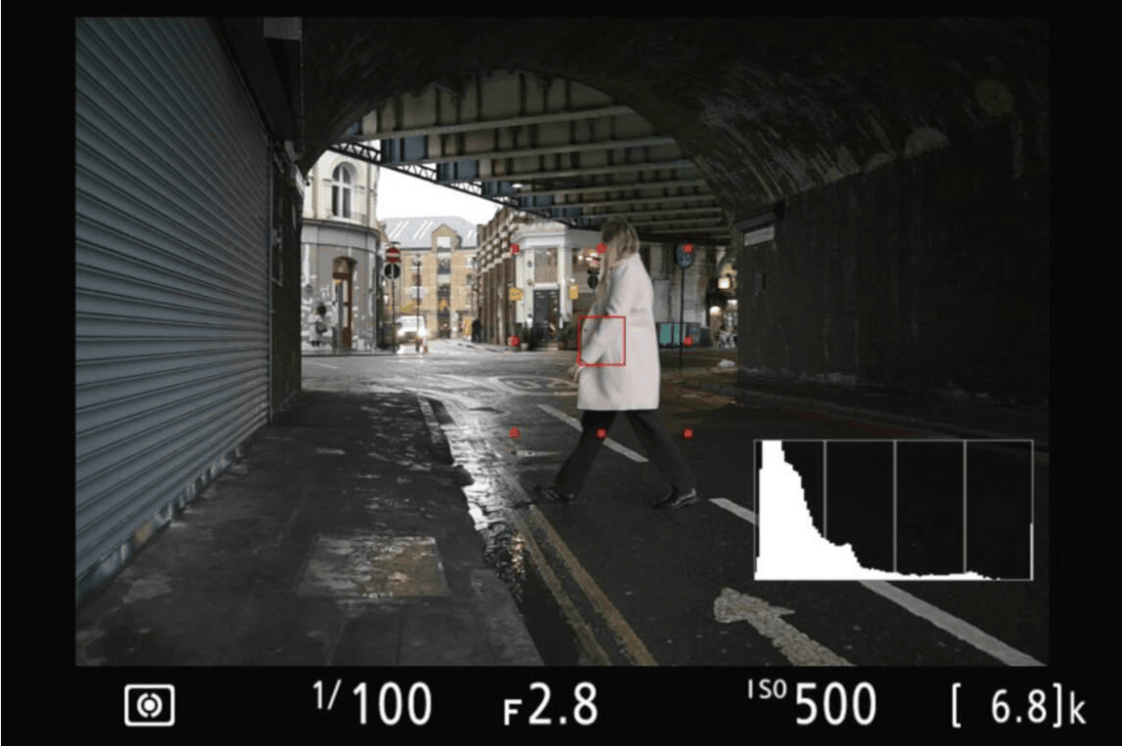
With the widespread availability of digital sensors and high-capacity memory cards, the cost per shot became virtually zero. This led many to fall into the habit of pressing the shutter button repeatedly without thinking, often referred to as "spray and pray." In the photography community, this approach is often seen as a sign of inexperience, as the photographer hopes that out of hundreds of frames, only a few will be worth capturing.
Rushing through photos can also reflect a lack of confidence in one's own ability to capture the right moment. Furthermore, the constant clicking of the shutter can easily annoy guests at an event, even detracting from the formal atmosphere of the ceremony. If you or your clients have ever felt annoyed by this, a more selective approach to photography is a worthwhile change, offering both a more professional and effective approach.
2. The problem of over-photography
Most professional photographers recognize this problem, but newcomers, or those accustomed to shooting nature and action, easily fall into the habit of clicking too many buttons without realizing that it's making their own work and their clients' work more difficult.
The most direct consequence is extended editing time. Every unnecessary frame must be reviewed, compared, and a decision made on whether to keep or discard it, so the larger the number of photos, the slower the delivery time. In addition, there are indirect costs such as increased storage space, slower computer processing, fatigue after long evenings of sorting photos, and the risk of missing a beautiful shot among a pile of nearly identical images. Considering all these costs, you'll see that putting your photography habits on a diet is entirely worthwhile. The five steps below will help you do just that.
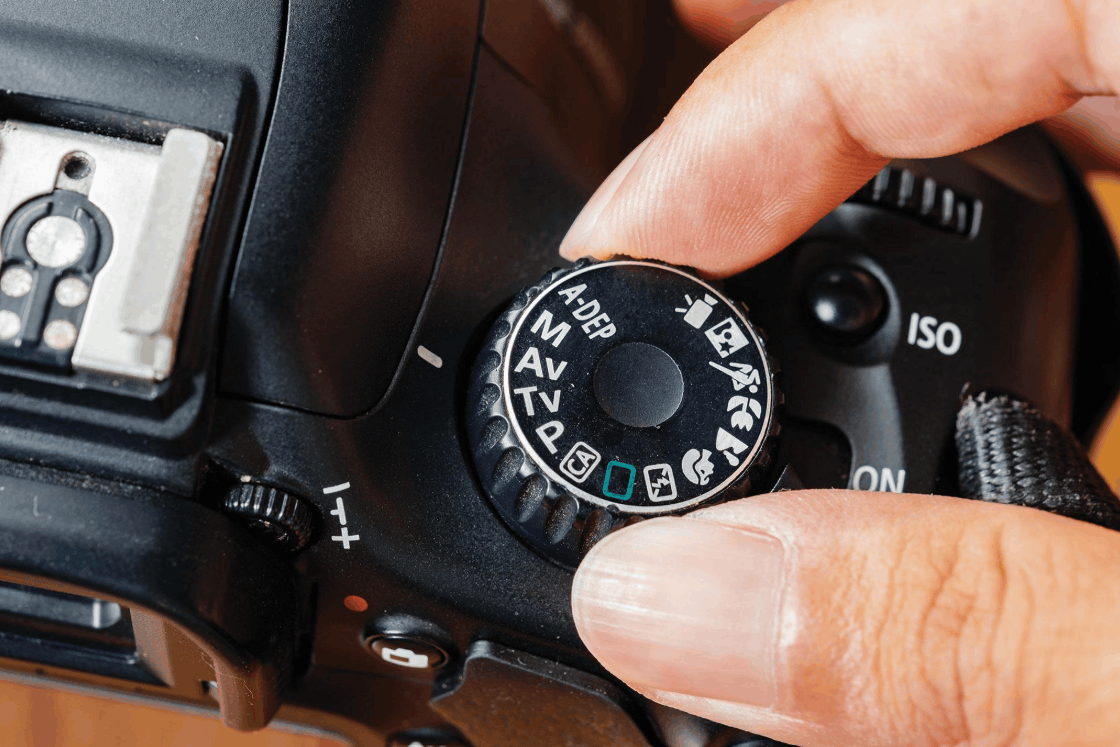
2.1 Switch shooting modes when appropriate.
For sports or fast-moving subjects, continuous shooting mode is essential for capturing the moment. However, for portraits, weddings, or most other events, you should consider switching to single-shot mode. When a truly action-packed scene arises, you can briefly switch to continuous shooting mode and then immediately return to single-shot mode.
For those who are prone to shooting instinctively, single-shot mode breaks the reflex of capturing dozens of frames per second whenever they see movement. It forces you to decide whether or not to shoot before each press of the button.
Of course, every photographer has their own way of working. Some always keep their camera in continuous shooting mode and have honed the skill of pressing only one frame at a time, combined with focusing using the rear button so they don't have to switch focus modes. They accept having an extra duplicate photo rather than missing the moment. The important thing isn't which mode you choose, but whether you control your finger and know exactly why you're pressing the button.
2.2 Developing a sense of timing
Instead of snapping pictures frantically whenever something worth photographing happens, proactively think about the timing. Develop the habit of taking only one or two shots in situations where you previously took five. Exceptions should only be made for the most crucial moments of an event, such as a wedding kiss or when a key figure receives an award.
By slowing down and taking fewer shots, you'll also notice technical problems sooner. If you keep pressing the shutter button after the subject has moved to a different position where the light may have changed, you're likely to end up with a series of unusable photos. Observing the light, expression, and composition before pressing the shutter button reduces the number of photos taken and increases the percentage of quality shots. Over time, you'll be able to anticipate the next moment, know when you've got enough of a certain shot, and move on to finding a new angle.
2.3 It's okay to review the photos a little bit.
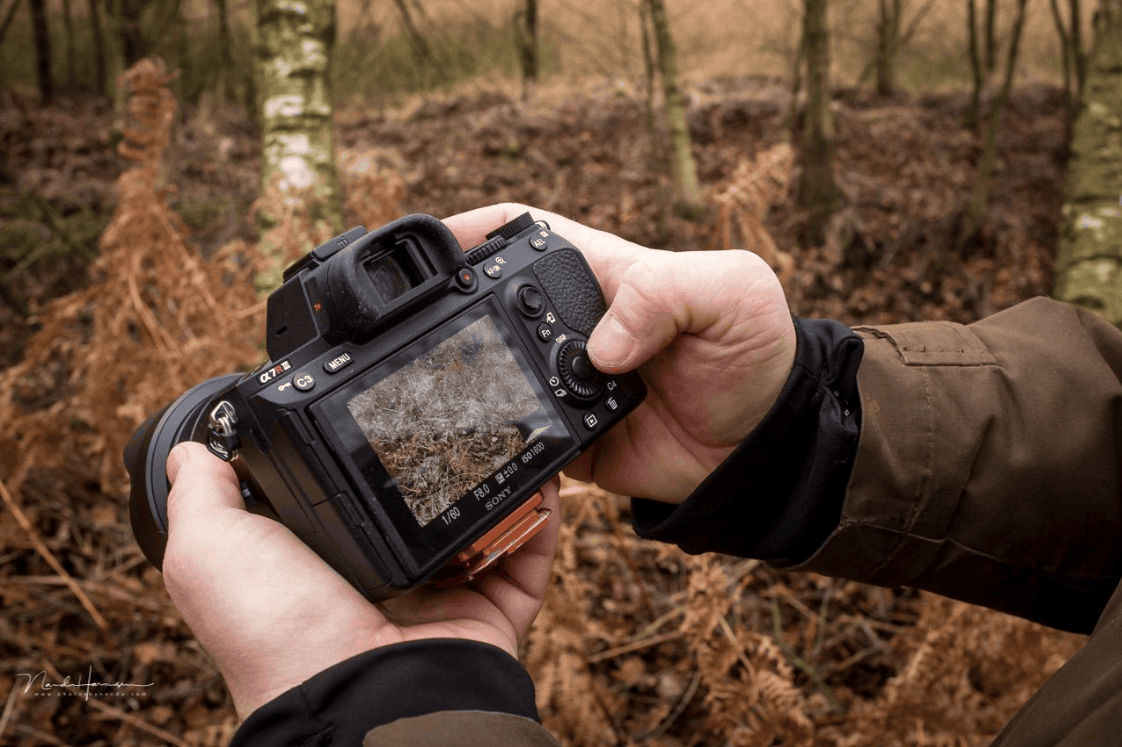
"Chimping" is the term used for people who constantly look at the screen behind their camera to review each frame. The term comes from their characteristic hunched posture, a habit often criticized by the photography community. The biggest risk is missing a crucial moment while glued to the screen, and it can even endanger yourself or others if you're not paying attention to your surroundings.
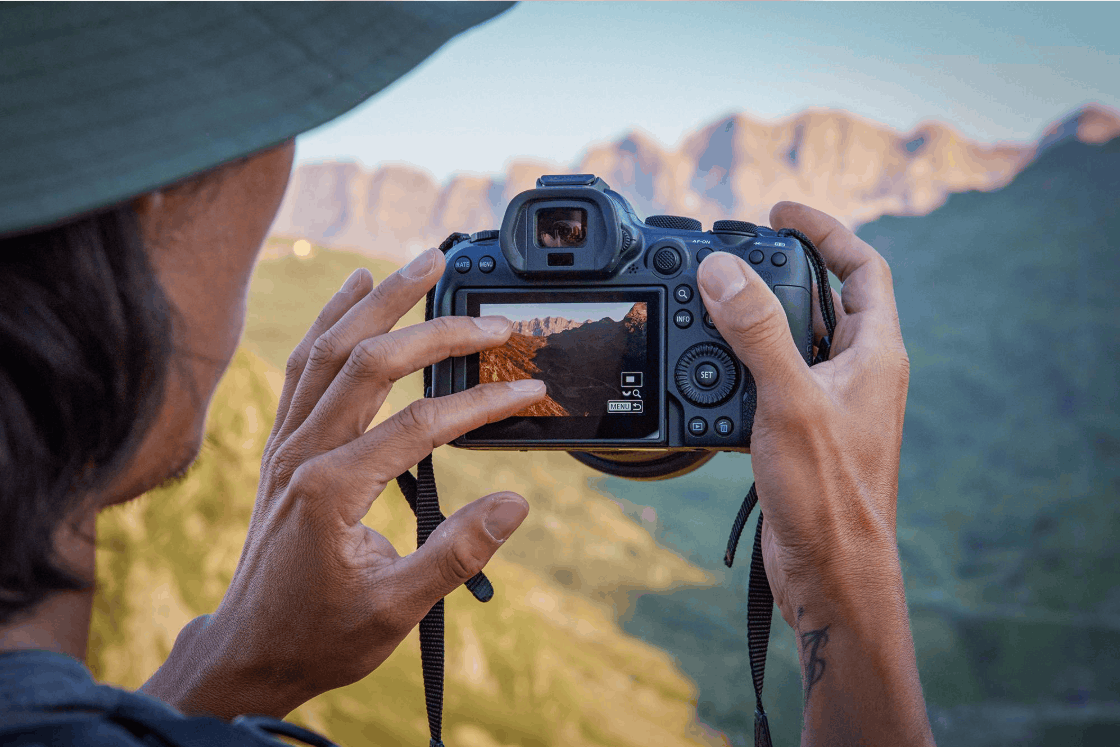
However, a quick check when absolutely necessary is perfectly reasonable. An effective method is to quickly review the image whenever the lighting conditions change noticeably, especially when you're unsure if the exposure settings are correct. If a check is needed, choose a time when no important action is taking place, and for sports photographers, ideally when the ball isn't flying toward you. A timely check allows you to correct mistakes early on, rather than discovering later that the entire series of photos are underexposed or blurry.
2.4 Take a deep breath
The way you take photos says a lot about you. Like your attire and work style, your camera habits are part of the professional image you project to clients. Ask yourself what kind of energy you want to project at work—a calm, proactive person or someone who is always anxious and rushed.
Not everyone may consciously realize this difference, but good habits always lead to better results. The ability to capture the perfect shot with just a few clicks offers comprehensive benefits, from your confidence and the subject's comfort to the quality of the final photos. Before a tense moment, take a deep breath, steady your posture, and only press the shutter button when you're ready.
2.5 Image type is an important factor.
There's a familiar saying that advises us not to be afraid to give up what's good in pursuit of what's great. The same applies to your collection. Don't cling to photos that are only mediocre, and remember that your quality is judged by the weakest photo you deliver to your clients.
After a photoshoot or event, spending hours sifting through duplicate images can be tiring and discouraging. Therefore, build a clear system for evaluating and categorizing photos to narrow down the number of candidates for the final set. In Lightroom, you can use select and reject flags, combined with a one-to-five-star rating system, and enable automatic next-image switching for continuous editing using only the keyboard. Many photographers also perform rough filtering using a quick image preview software like Photo Mechanic before importing images into Lightroom for editing, or use AI-powered image filtering tools to quickly detect blurry or closed-eye images.
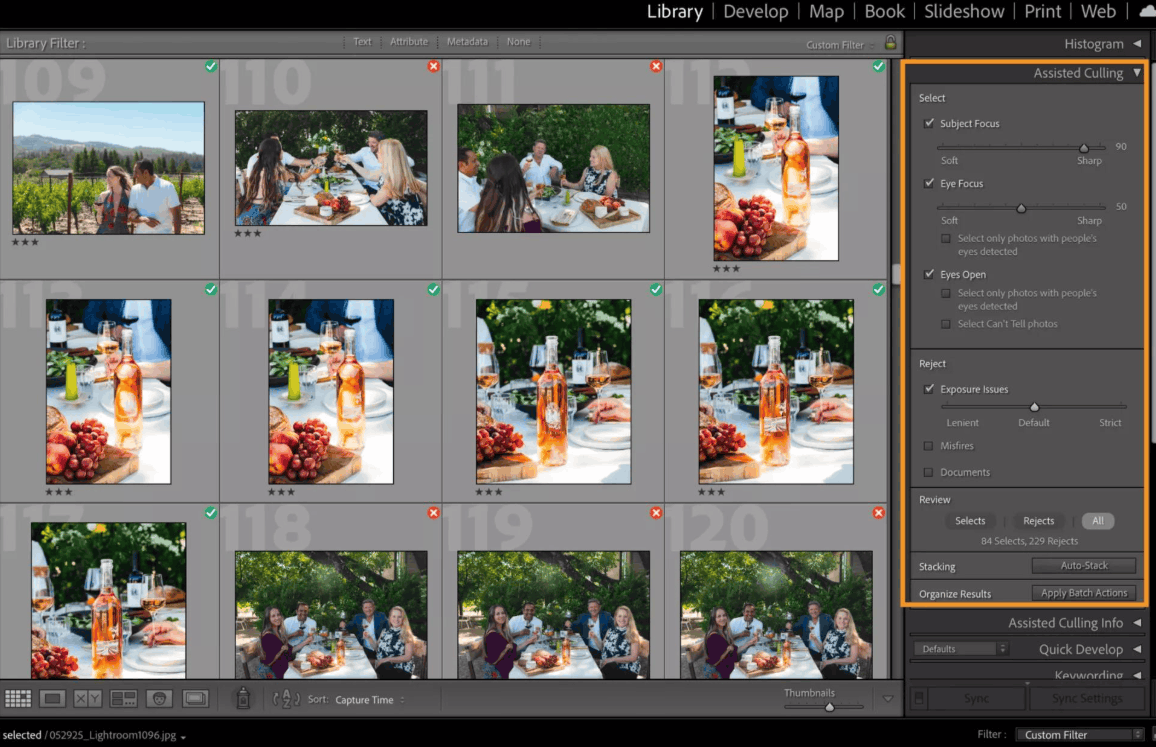
An effective approach is to filter through multiple rounds. The first round should simply involve making decisive choices or rejecting entries, while the subsequent rounds involve assigning star ratings, as deciding between three and four stars requires significantly more effort than deciding whether to keep or reject. Remember that clients are generally more satisfied with 50 outstanding photos than with 150 photos that are only very good to fairly good.
3. Summary
Even experienced photographers sometimes overshoot. Sometimes it's because the location is too dark and the focusing system struggles to capture multiple frames accurately, and sometimes it's because inspiration from the subject or space makes you press the shutter button too quickly. That's perfectly normal, and the goal isn't to capture the exact same frame every time, but to master the pace of your shutter.
If you slow down on set and are always mindful of the timing, you'll have more photos worth keeping and fewer unnecessary ones to process. The result is faster turnaround times, happier clients, and more time for your family. Start with a small change for your next shoot, and see how much your post-production workload decreases.


















VIP Products








Best Selling Products
Upgrade genuine Capture One account
120 USD
Capcut Pro 1 Year
39 USD
ChatGPT Plus Account (GPT-4)
16 USD
Plugin Retouch4me
69 USD
Genuine Adobe Illustrator account
99 USD
Adobe Premiere Pro Account
99 USD
Freepik Premium Account
59 USD
MidJourney Account
29 USD
Copyright Adobe Lightroom Account
59 USD
Autodesk All App Account Copyright
120 USD
Upgrade Duolingo Super
29 USD
Windows 10 & 11 Pro Key
36 USD
Upgrade Genuine Office 365
49 USD
Adobe Photoshop Copyright - Full App
120 USD
Genuine Cheap Canva Pro
39 USD