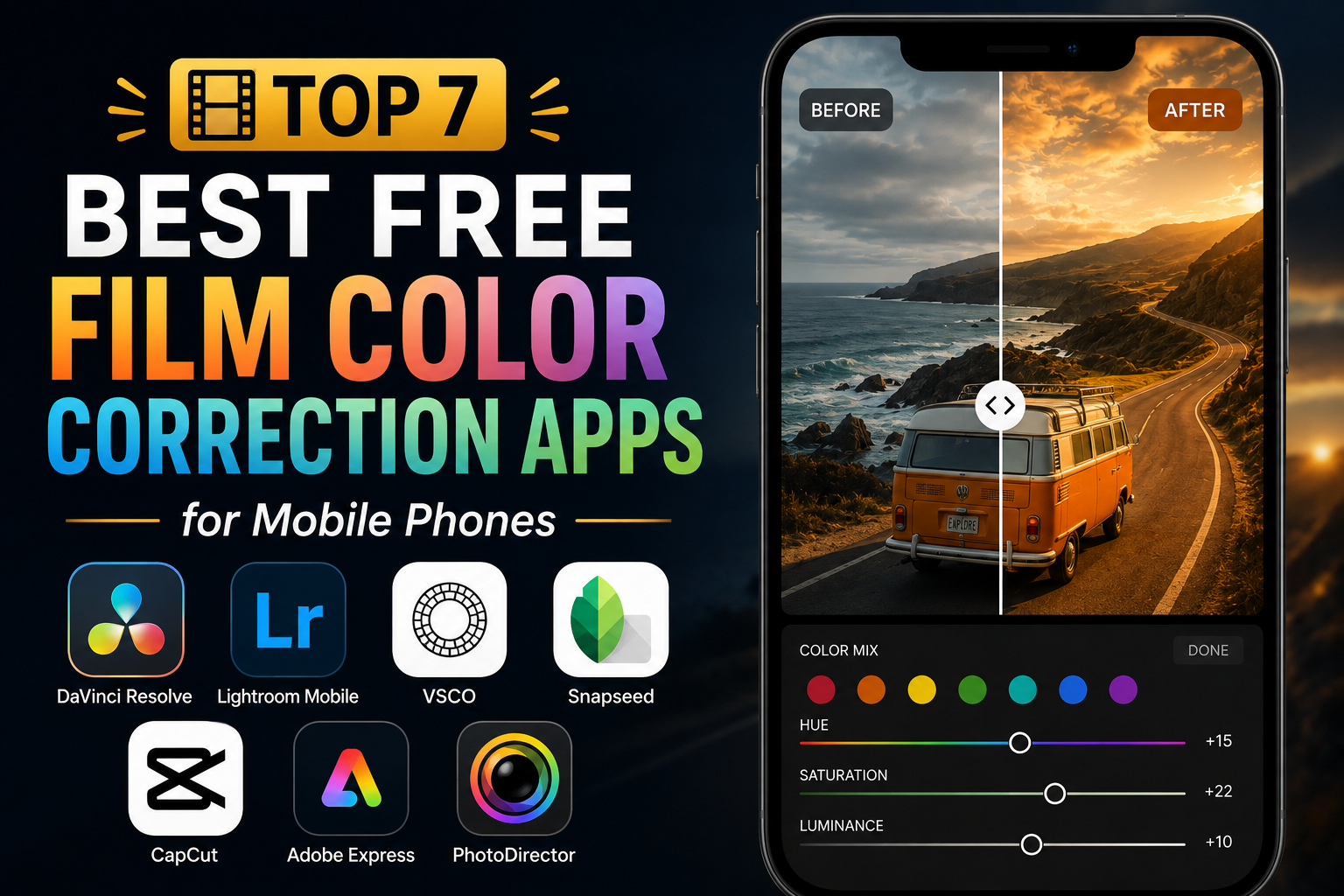
1. The trend of using free film color correction apps in the digital age.
1.1. The irresistible allure of vintage color tones
The rapid development of high-resolution camera technology has inadvertently diminished the spontaneity and raw emotion in each frame. Film photography has emerged as a breath of fresh air, offering a warmer, more nostalgic feel and a deeper narrative. The teal tones, warm reds, and slightly silvery shadows act as catalysts for creating artistic impact in mainstream photography. They allow viewers to focus more on the emotions of the subjects and the setting, rather than the dry, digital sharpness.
1.2. Reasons why free applications are popular
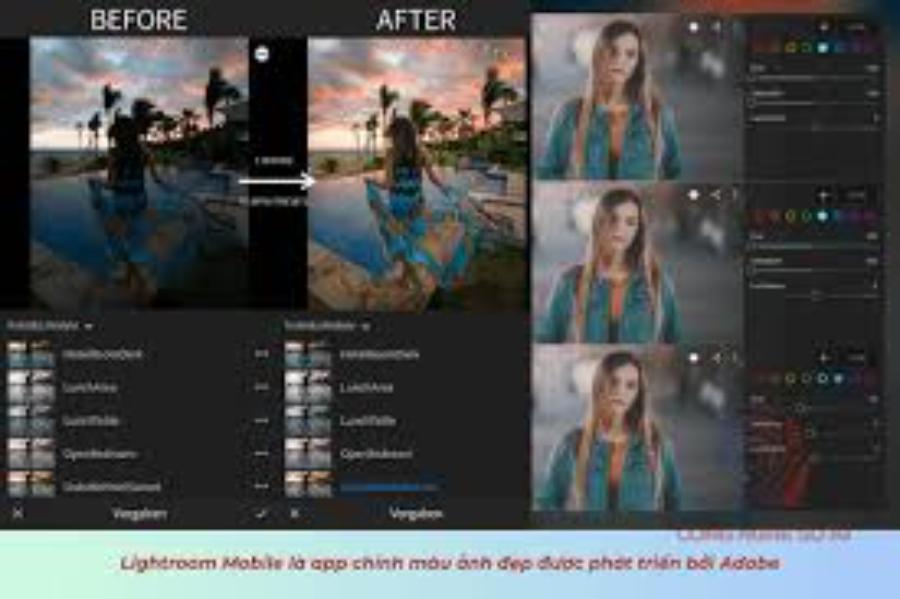
Owning a film simulator app helps users save significantly on the cost of buying film rolls and the time spent waiting for photo development at labs. These tools offer superior convenience, allowing users to instantly see the results and flexibly adjust grain, scratches, or overexposure to their liking before sharing. More importantly, the free app segment is constantly upgrading the quality of its filters, dispelling the misconception that free apps cannot produce professional-quality photos.
2. Detailed review of the leading free film color grading apps.
2.1. VSCO – A global icon of cinematic style
Whenever color filter simulations are mentioned, the first name that comes to mind for the creative community is always VSCO. This is considered the app that shapes the photo editing style for millions of users worldwide.
-
Key advantages: The application boasts a library of high-quality free presets that accurately simulate classic Kodak and Fuji film styles. Its minimalist, intuitive interface allows users to easily adjust saturation and brightness levels.
-
Recommended filters: The M series filters offer a classic, melancholic feel, the C series filters provide vibrant colors for a summery atmosphere, or the black and white filters offer a deep, artistic feel.
2.2. Dazz Cam – A unique digital film camera experience
Dazz Cam is not just a typical photo editor; it recreates the entire experience of a real film camera from decades ago.
-
Key advantages: The application focuses on simulating the physical effects of lenses and darkrooms. The free version provides a number of high-quality camera and film models for users to freely create with.
-
Key features: The ability to automatically create an extremely smooth double exposure effect and add a classic orange timestamp in the corner of the image, giving the feeling that the photo was just developed from a real film roll.
2.3. Huji Cam – Relive the atmosphere of 1998
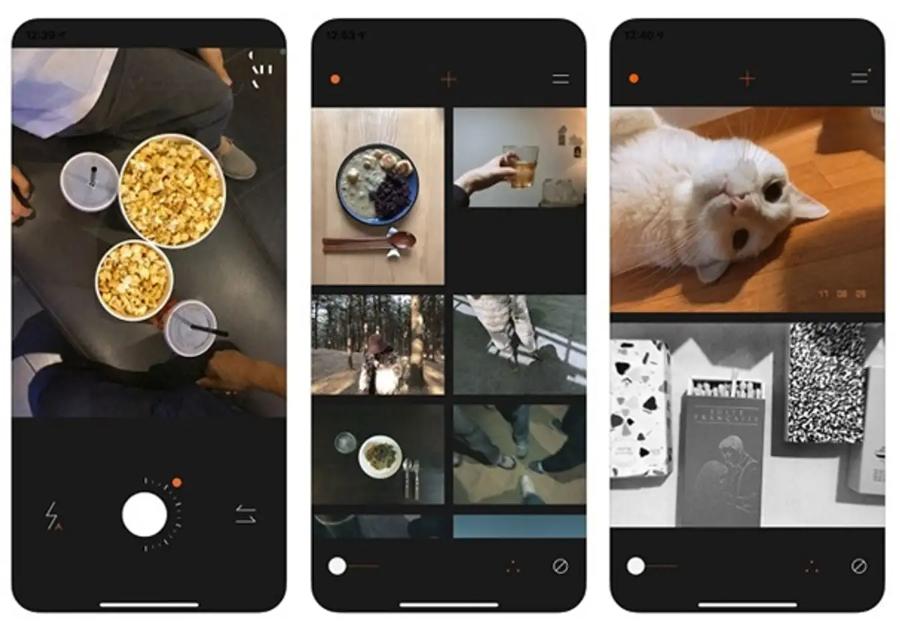
The Huji Cam evokes a strong sense of nostalgia by transporting users back to 1998 with convenient disposable cameras.
-
Key advantage: Extremely simple operation; users only need to look through the small viewfinder on the screen and press the shutter button. After shooting, the image will automatically have a high-contrast color filter applied, featuring characteristic neon blue hues and random light bursts.
-
User experience: The randomness of the lighting effects creates a sense of suspense and anticipation, like when developing film for real, transforming everyday moments into something more dramatic and artistic.
2.4. RNI Films – Simulated professional-grade photography quality
Developed by a team specializing in image documentation, this application is aimed at users who demand high accuracy in color reproduction.
-
Key advantages: RNI Films organizes its filters into a scientifically structured format including Slide, Negative, Instant, and Vintage. The app's free color library is sufficient for most basic landscape and portrait photography needs.
-
Advanced features: RNI's grain noise adjustment toolbar is considered the most realistic currently available, creating the feel of silver particles on traditional film rather than digital fading.
2.5. Nomo Cam – Minimalism with high artistic value
Nomo Cam is a great choice for those who appreciate a clean design but still demand high-quality, distinctive image output.
-
Key advantage: The app offers many iconic camera models as attractive widgets. After taking a photo with the instant camera, users can shake their phone to make the photo appear faster.
-
Color quality: Nomo's color tones lean towards naturalness, maintaining good detail in dark areas and not distorting skin tones too much, making it very suitable for street photography.
2.6. Fimo – A vibrant and intuitive digital film reel.
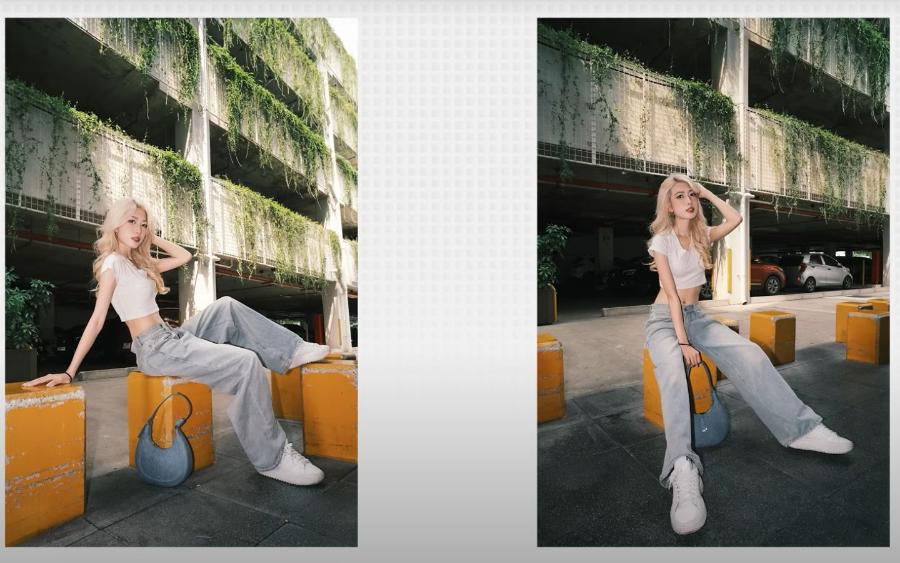
Fimo offers an incredibly innovative display interface by simulating the process of replacing film reels directly on the phone screen.
-
Key advantage: Users can clearly see the structure and specifications of each free film roll included. Each film roll in the app has a detailed description of its color characteristics and the most suitable usage context.
-
Additional effects: Film edge details, minor scratches, and dirt are added subtly, without creating an artificial feel or disrupting the main composition of the image.
2.7. 1998 Cam – A versatile and powerful vintage post-production toolset.
1998 Cam is one of the top-downloaded applications thanks to its versatility and extremely stable performance across many devices.
-
Key advantages: The free library contains dozens of rich color filters, ranging from the gentle style of Korean films to the deep, rich style of European and American movies. The application fully supports advanced features such as cropping and creating corner blur effects.
-
Ease of use: The interface fully supports the Vietnamese language, making it easy for beginners to master the toolbars when getting started with mobile photography.
3. Tips for optimizing images when using free film color correction apps.
3.1. Selecting a light source suitable for the characteristics of each filter.
The essence of traditional film photography is its sensitivity to light. Warm, sun-yellow color filters work best in natural light conditions at dawn or dusk. Conversely, cool, blue filters are extremely suitable for overcast days or shooting in the shade to enhance the melancholic and somber atmosphere of the scene.
3.2. Control particle size and abrasion to a moderate level.
A common mistake for beginners is overusing grain and surface scratch effects. Pushing these parameters to the maximum will cause the image to lose detail and look artificial. Users should keep the grain level between 10% and 20% to create a natural, smooth texture on the image surface, and only add overexposure in areas with strong light sources.
3.3. Utilize classic layouts to enhance authenticity.
Vintage photography truly shines when combined with a well-thought-out composition. Prioritizing the rule of thirds or symmetrical composition will yield the best results. Utilizing rough-textured walls, window frames casting shadows, or old street corners will help the film filter blend seamlessly into the image.
4. Appvip.ai – A reputable website for upgrading your premium film color filter library at an optimal cost.
Although the aforementioned apps offer free versions, users are often limited to basic color filters and bothered by ads. To unlock all the top presets of VSCO, Dazz Cam, or Prequel without paying expensive monthly subscription fees, the appvip.ai platform is the perfect solution. This website specializes in providing VIP and Premium account upgrades for popular photo and video editing apps at incredibly affordable prices. The activation process is completely automatic, fast, and comes with a long-term warranty, allowing mobile photography enthusiasts to unleash their creativity without any cost barriers.
5. Conclusion
Vintage photography is not just a passing trend but has become a sustainable art style, helping to preserve memories in a deeply emotional way. Utilizing a suitable free film editing app on your phone makes it easy for users to transform ordinary everyday moments into cinematic films filled with memories.