Best Selling Products

Upgrade Duolingo Super
29 USD

Capcut Pro 1 Year
39 USD

Adobe Photoshop Copyright - Full App
120 USD

MidJourney Account
29 USD

Windows 10 & 11 Pro Key
36 USD

ChatGPT Plus Account (GPT-4)
16 USD

Adobe Premiere Pro Account
99 USD

Freepik Premium Account
59 USD

Copyright Adobe Lightroom Account
59 USD

Genuine Adobe Illustrator account
99 USD
Upgrade genuine Capture One account
120 USD
Upgrade Genuine Office 365
49 USD

Genuine Cheap Canva Pro
39 USD

Plugin Retouch4me
69 USD

Autodesk All App Account Copyright
120 USD
"Virtual phone": A new tactic to silently steal bank accounts.
Nội dung
- 1. What is a virtual phone and why is it dangerous?
- 2. Sophisticated attack methods used by criminals
- 3. The formation of the fraud "industry"
- 4. Why has the banking system been outpaced?
- 5. Identifying signs of a virtual device
- 6. Countermeasures from the bank
- 7. What should users do to protect themselves?
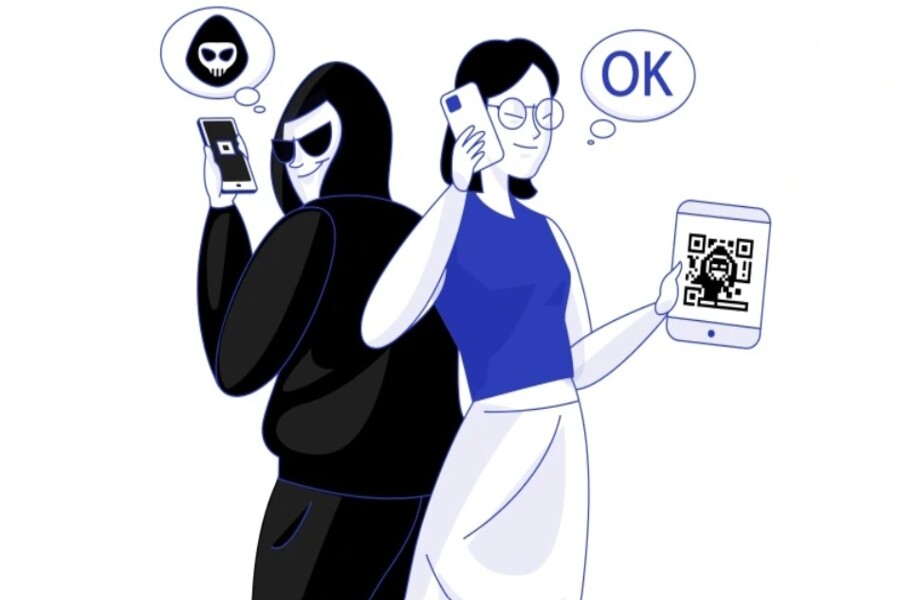
A sophisticated form of attack is emerging, allowing hackers to spoof real devices to bypass security systems. Users are often unaware until money is withdrawn. This is a serious warning sign for the digital banking era.
1. What is a virtual phone and why is it dangerous?
The concept of a "virtual phone" isn't new in the tech world, but its exploitation for financial attacks is a worrying development. Essentially, a virtual phone is a simulated mobile device environment that runs on a cloud platform. Instead of using a physical phone, users, or in this case criminals, can create a multitude of virtual Android devices that function like real ones.
The unique feature of these devices is their ability to almost perfectly mimic the hardware and software parameters of a real phone. From the operating system and device configuration to data such as geographical location, time zone, battery status, and motion sensors, everything can be sophisticatedly "simulated." This makes it very difficult for banking systems to distinguish between real and virtual devices.
Meanwhile, current banking applications often use device fingerprinting technology to detect fraud. This technology collects and analyzes various factors to determine the validity of a device. However, when a virtual phone can fully replicate these factors, the security layer becomes less effective.
More dangerously, virtual phones are not limited in number. An individual or organization can create hundreds, even thousands, of devices simultaneously. This opens up the possibility of carrying out large-scale attacks, far exceeding traditional methods that rely on physical devices.
2. Sophisticated attack methods used by criminals
The frightening aspect of this tactic lies not only in the technology but also in how it is implemented. Criminals don't carry out attacks all at once, but rather divide them into multiple stages to maximize the chances of success and minimize the risk of detection.
The first stage is data collection. Criminals can obtain login information from data leaks, phishing scams, or by installing malware on users' devices. Once they have the necessary information, they use a virtual phone to log into the bank account.
However, instead of immediately making large transactions, they proceed with a step called "warming up" the account. During this phase, small, legitimate transactions are made repeatedly to build a history of normal activity. This helps the banking system "trust" that the account is being used by the legitimate owner.
After gaining a certain level of trust, fraudsters begin to carry out large transactions to steal money. Thanks to careful preparation, these transactions are often difficult to detect or are considered unusual.
Notably, this entire process can be automated. With the help of programming tools, criminals can control a multitude of virtual phones simultaneously, carrying out large-scale attacks without requiring much manpower. This transforms the tactic into an organized fraud "chain."
3. The formation of the fraud "industry"
The development of virtual phones is not just a hacking technique but has become part of the cybercrime ecosystem. On platforms like Telegram, numerous private groups have emerged to exchange and sell bank accounts, emulation tools, and user data.
Among these, accounts that have been "warmed" are worth more because they have passed the initial verification phase of the banking system. The price of these accounts can range from a few tens to a few hundred USD, depending on their "cleanliness" and transaction limits.
This shows that criminals don't just operate individually, but have formed a complete value chain. There are those who specialize in collecting data, those who create fake phones, those who execute transactions, and those who consume the accounts. This model optimizes efficiency and reduces risk for each individual in the system.
As a result, the scale and complexity of attacks are increasing, making detection and handling more difficult. This poses a significant challenge not only for banks but also for regulatory authorities.
4. Why has the banking system been outpaced?
Despite significant investments in security, banks are still struggling to cope with virtual phones. The main reason is that current systems are built on the assumption that the user's device is real. When this assumption is broken, many security mechanisms become less effective.
Furthermore, criminals combine various other techniques to increase their chances of success. For example, they can hijack SIM cards to receive OTP codes or use malware to track user activity. When these elements are combined with virtual phones, the banking system is almost completely bypassed.
Another problem is that the pace of development of attack technology often outpaces the update speed of defense systems. While banks need time to test and deploy new solutions, criminals can quickly change their methods to evade them.
5. Identifying signs of a virtual device
One of the most noticeable signs is an unrealistic battery status, such as consistently staying at 100% for extended periods or showing no change even when the device is running continuously. This is almost impossible with a genuine phone.
In addition, sensor data is also a crucial factor. Physical phones always have small changes in movement, tilt, or position during use. Conversely, virtual devices often lack or have very "static" sensor data, which does not reflect real human behavior.
The list of applications on the device can also be a telltale sign. "Virtual phones" often lack the full suite of default applications found on real phones, but instead feature numerous anonymity tools such as VPNs, proxies, or automation software. Additionally, some devices may show signs of running multiple application versions simultaneously or have unusual configurations compared to standard devices.
Another point to note is the inconsistency between system parameters. For example, the IP address may not match the GPS location, or the time zone may not match the login region. These small discrepancies, when analyzed overall, can help the system detect potential fraud.
6. Countermeasures from the bank
Faced with growing threats, banks have begun implementing new security measures. One of these is enhanced real-time analysis of user behavior to detect unusual activity.
Additionally, banking applications are required to detect and block insecure devices, including rooted devices or those running in emulator environments.
Banks are also investing in artificial intelligence to improve their fraud detection capabilities. By analyzing big data, AI can detect unusual behavioral patterns that are difficult for humans to recognize.
7. What should users do to protect themselves?
In the fight against cybercrime, users play a crucial role in protecting their accounts. First and foremost, only install banking apps from official sources such as the Google Play Store or Apple App Store, avoiding APK files or suspicious links. Furthermore, absolutely do not share sensitive information such as passwords, OTP codes, or PINs with anyone, including those claiming to be bank employees.
Users should also maintain the habit of regularly checking transactions to detect any unusual activity early. In addition, it's necessary to ensure device security by avoiding rooted or jailbroken phones, and to regularly update the operating system and applications. Enabling security layers such as two-factor authentication or biometrics also helps enhance account protection.
Furthermore, be wary of scams via text messages and calls, and limit the use of public Wi-Fi when logging into your bank accounts. Finally, raising awareness about new scams is the most important "shield" to help users proactively prevent and minimize risks in the digital environment.
The "virtual phone call" scam is clear evidence of the evolution of cybercrime in the digital age. As technology develops, threats also become more sophisticated and unpredictable. To combat this, not only banks but also users need to raise awareness and apply appropriate security measures. Only through close cooperation between all parties can we build a safe and sustainable digital financial environment.





















VIP Products








Best Selling Products
Upgrade Duolingo Super
29 USD
Capcut Pro 1 Year
39 USD
Adobe Photoshop Copyright - Full App
120 USD
MidJourney Account
29 USD
Windows 10 & 11 Pro Key
36 USD
ChatGPT Plus Account (GPT-4)
16 USD
Adobe Premiere Pro Account
99 USD
Freepik Premium Account
59 USD
Copyright Adobe Lightroom Account
59 USD
Genuine Adobe Illustrator account
99 USD
Upgrade genuine Capture One account
120 USD
Upgrade Genuine Office 365
49 USD
Genuine Cheap Canva Pro
39 USD
Plugin Retouch4me
69 USD
Autodesk All App Account Copyright
120 USD