Best Selling Products
Adobe Photoshop Copyright - Full App
120 USD
Upgrade Genuine Office 365
49 USD

MidJourney Account
29 USD
Adobe Premiere Pro Account
99 USD
Genuine Adobe Illustrator account
99 USD
Plugin Retouch4me
69 USD

ChatGPT Plus Account (GPT-4)
16 USD
Capcut Pro 1 Year
39 USD
Genuine Cheap Canva Pro
39 USD
Autodesk All App Account Copyright
120 USD
Upgrade genuine Capture One account
120 USD
Upgrade Duolingo Super
29 USD
Copyright Adobe Lightroom Account
59 USD
Windows 10 & 11 Pro Key
36 USD

Freepik Premium Account
59 USD
What is a Content Creator? Explore the modern job of content creation.
Nội dung
- 1. Learn about Content Creator
- 1.1. The Concept of a Content Creator
- 1.2. The Role of Content Creators in Modern Communication
- 2. What are the responsibilities of a Content Creator?
- 2.1. Content creators need to analyze the brand.
- 2.2. Content creators need to come up with content ideas.
- 2.3. Content Creators need to manage and implement projects.
- 2.4. Content creators need to shoot, edit, and produce videos.
- 3. 5 essential skills a Content Creator needs
- 3.1. Creativity
- 3.2. Search & Research
- 3.3. Planning
- 3.4. Writing & Editing
- 3.5. Image and Video Editing Skills
This section explains in detail the profession of content creator, their role in digital communication, and how they transform ideas into engaging content on online platforms.

Information and entertainment are primarily received through digital platforms, from social media, websites, and blogs to mobile applications. Therefore, content has become a core element in all communication, marketing, and branding strategies. Along with this development, the profession of Content Creator is becoming increasingly important and sought after. This is not just a position related to writing articles or producing videos; it also requires creative thinking, analytical skills, and project management abilities. A good content creator not only knows how to tell stories but also understands how to transform ideas into vivid, engaging, and inspiring products for the audience. This article will help you understand the content creator profession, its basic tasks, necessary skills, and how to develop a career in the content creation industry.
1. Learn about Content Creator
1.1. The Concept of a Content Creator
A Content Creator is responsible for researching, developing, and producing various types of digital content across multiple media platforms. This content can include articles, images, videos, podcasts, infographics, or other interactive experiences. The common thread is that all these content products aim to engage an audience, convey a message, and connect with the recipient.
Unlike traditional roles such as journalist or copywriter, content creators need the ability to synthesize and combine many different skills. They not only need creative thinking but also a thorough understanding of content production techniques, data analysis, and user behavior research. This allows them to transform abstract ideas into vibrant, easily digestible content that can be shared widely on social media, websites, or other digital platforms.
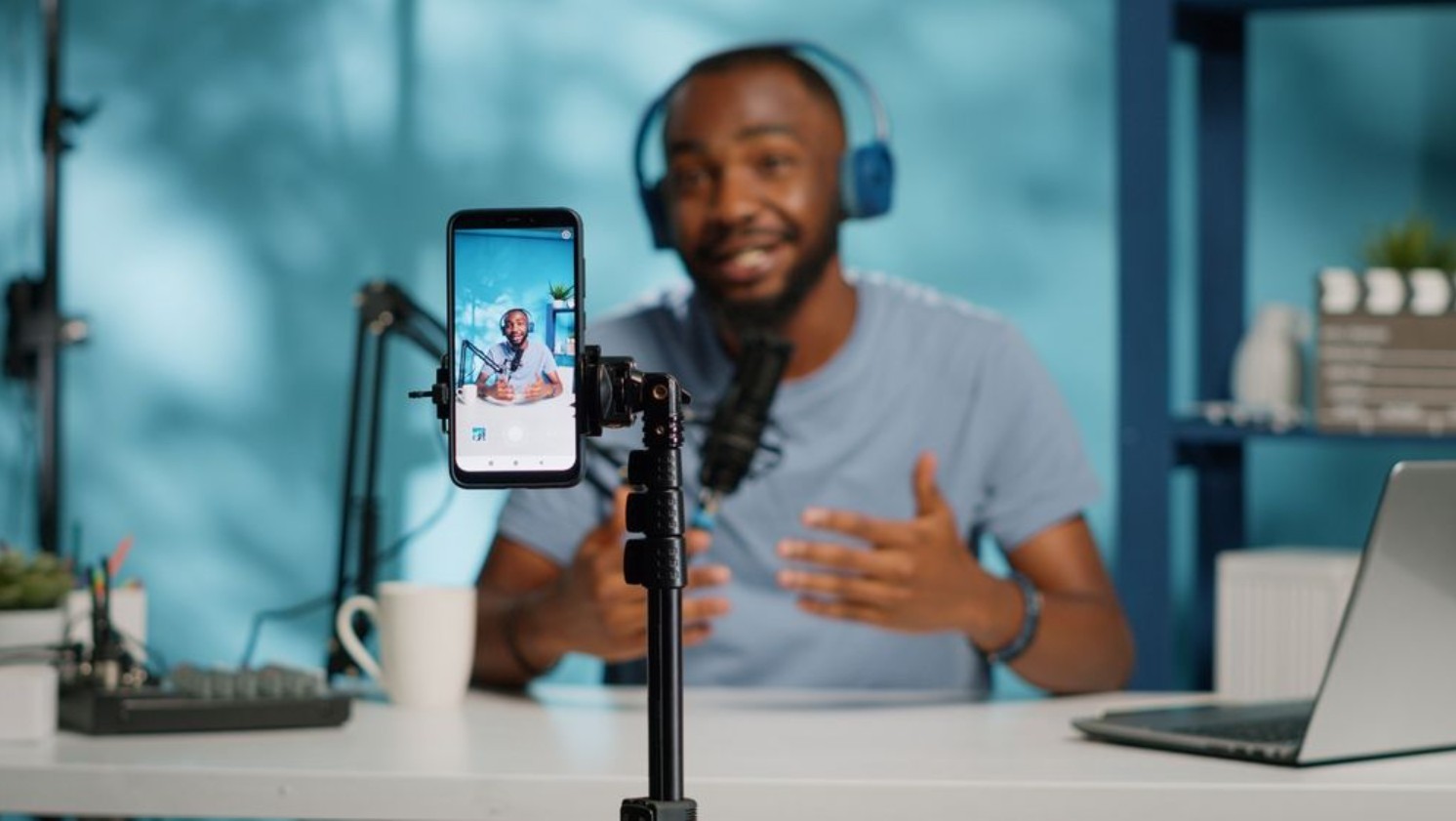
A good content creator is not simply someone who creates content, but also an effective storyteller. They make brand messages relatable, engaging, and memorable for the target audience, thereby increasing engagement and building customer loyalty.
1.2. The Role of Content Creators in Modern Communication
In the modern media environment, consumers are no longer solely dominated by traditional advertising methods; instead, they seek information, entertainment, and experiences directly from digital platforms. Therefore, the role of content creators has become more important than ever. They act as a bridge between brands and audiences, helping to convey the brand's story and values in a visual, engaging, and captivating way.
Content creators help brands stand out in a competitive market by creating content that aligns with current trends and audience preferences. They analyze user behavior, develop content strategies, and optimize each article, video, or image for maximum effectiveness. This role extends beyond content production to creating experiences, fostering community engagement, and promoting interaction.
In addition, content creators monitor and analyze data from media platforms to adjust their content strategy. Thanks to this analysis, they know what types of content are effective, when to post to attract viewers, and how to optimize their media budget. Thus, content creators are not only creators but also digital strategists, helping brands achieve their business goals intelligently and effectively.
2. What are the responsibilities of a Content Creator?
2.1. Content creators need to analyze the brand.
Before starting to create content, content creators need to thoroughly understand the brand they represent. Brand analysis includes researching the mission, vision, core values, target audience, and communication style. Only by understanding these elements can they create content that is appropriate, speaks the right tone, and is persuasive.
Brand analysis also requires research into competitors and market trends. Through this, content creators will identify differentiating factors, create unique content, and enhance the brand's competitiveness. This is a fundamental step for any content campaign to be implemented effectively and have a real impact on users.
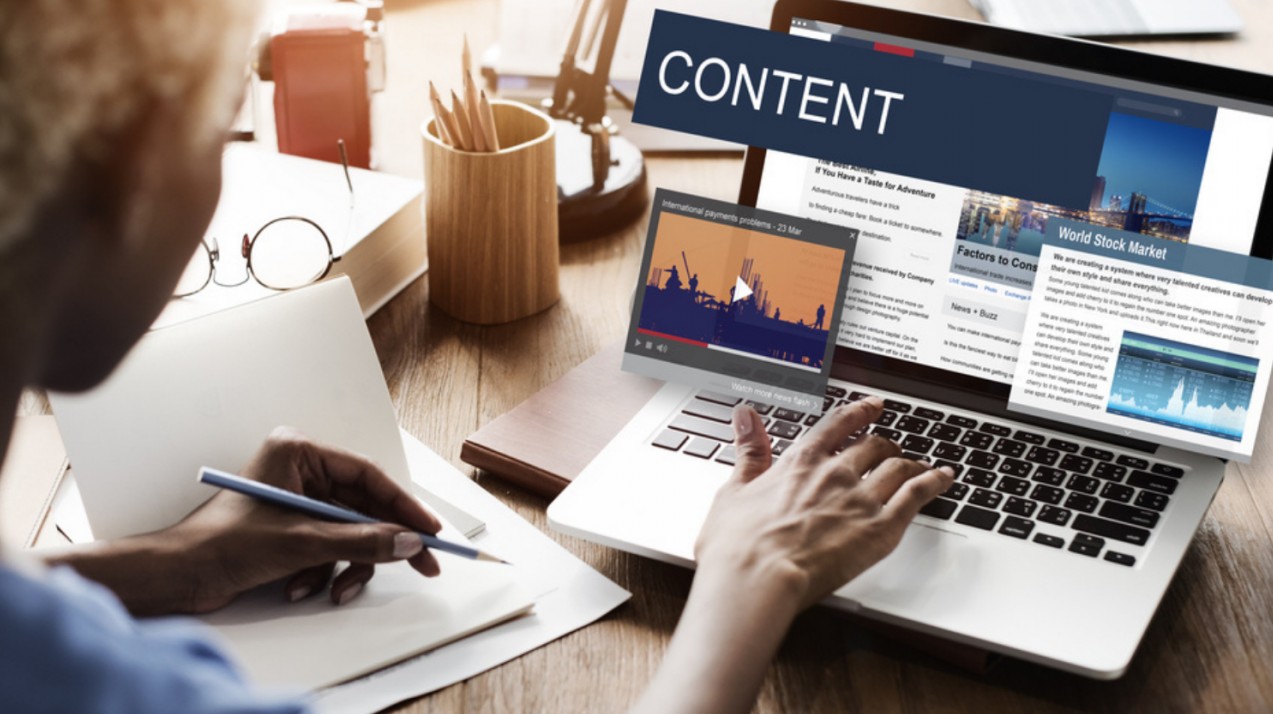
2.2. Content creators need to come up with content ideas.
Ideas are the soul of all content. Content creators need to know how to develop new, engaging concepts that align with communication goals and brand style. Ideation isn't just about coming up with a good topic; it's also about defining the story, the delivery method, and the emotions you want to convey to your audience.
During the ideation process, content creators must collaborate with other departments such as marketing, design, and video production to ensure feasibility. They need to develop detailed storyboards, outlines, or scripts, which helps the production process run smoothly, minimizes errors, and ensures the content achieves maximum effectiveness.
2.3. Content Creators need to manage and implement projects.
A successful content creator needs not only creativity but also effective project management skills. They meticulously plan publishing schedules, budgets, resource allocation, coordination among departments, and project progress tracking. Good management skills ensure smooth content delivery, minimize errors, and maintain consistent quality.
In addition, content creators evaluate the effectiveness of each piece of content based on KPIs such as engagement, views, shares, and conversion rates. Based on this data, they adjust their strategies, optimize content, and improve communication effectiveness. This is a crucial factor for content creators to ensure both content quality and achieve the brand's business goals.
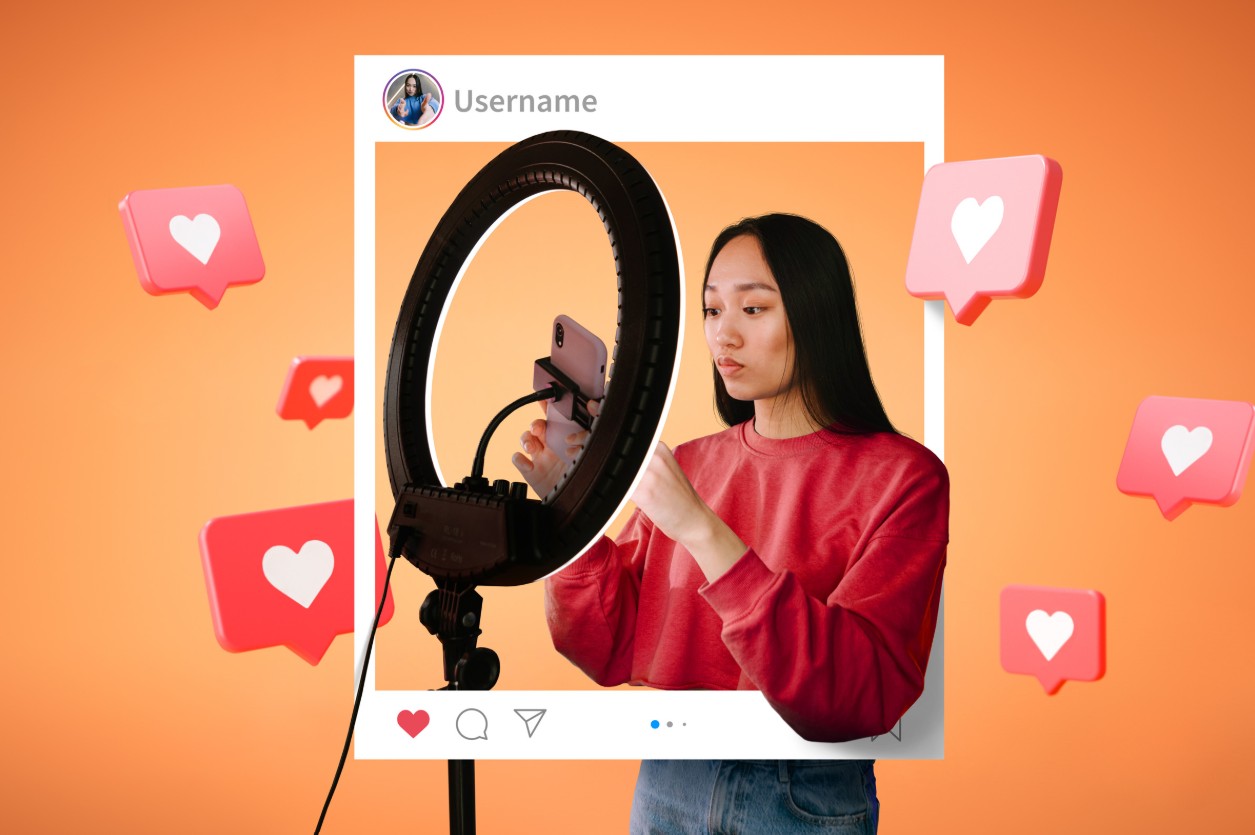
2.4. Content creators need to shoot, edit, and produce videos.
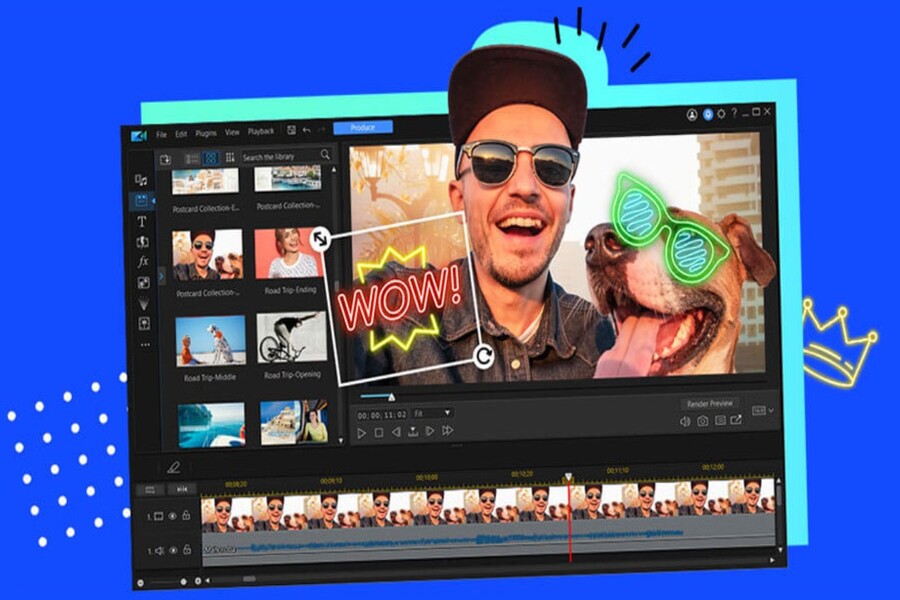
With the increasing popularity of video on social media platforms, video shooting, editing, and production skills have become essential. Content creators need to know how to script, film, color correct, add effects, and edit a finished product. This allows them to be proactive in content production and reduce their dependence on other production departments.
Video editing skills also help content creators be more creative, experimenting with different styles and effects to make content more engaging and unique. A well-produced video not only attracts viewers but also conveys the brand message clearly, vividly, and professionally.
3. 5 essential skills a Content Creator needs
3.1. Creativity
Creativity is the most important factor that helps content creators stand out and create unique value. They need to transform ordinary ideas into distinctive, eye-catching, and memorable content. Creativity is not just about developing a concept, but also about coordinating images, sounds, colors, and rhythm to effectively convey the message.
A creative content creator always knows how to tell the brand story in a fresh, engaging, and trend-appropriate way. As a result, the content not only makes an impression but also creates strong interaction with the audience, enhancing brand credibility and image.
3.2. Search & Research
The ability to search and research helps content creators produce high-quality and relevant content. They need to monitor trends, analyze the market, research competitors, and understand audience behavior. This research provides them with unique insights, which they can then use to build effective and creative content strategies.

A good content creator always stays up-to-date with research tools, from social media platforms and SEO tools to interaction data analysis. Thanks to this, they not only create engaging content but also optimize communication effectiveness.
3.3. Planning
Planning is a crucial skill for smooth and efficient project implementation. Content creators need to define publishing schedules, allocate resources, set deadlines, and track progress. Planning helps minimize errors, ensures content is consistent with the brand strategy, and optimizes working time.
Planning skills also help content creators easily evaluate content effectiveness, adjust strategies, and manage budgets. This is essential for implementing large projects while ensuring the quality and professionalism of the final product.
3.4. Writing & Editing
Writing and editing skills are fundamental for any content creator. They need to know how to write SEO-optimized articles, create compelling titles, and express ideas clearly and engagingly. Good editing ensures coherent content, avoids grammatical errors, maintains brand tone, and enhances professionalism.
Writing and editing also open up possibilities for diverse content, from website articles and social media posts to video scripts, podcasts, and newsletters. This is a crucial skill that helps content creators easily adapt to many different projects and fields.

3.5. Image and Video Editing Skills
Image and video editing skills help content creators produce complete, visually appealing, and professional products. They need to be proficient in software such as Photoshop, Illustrator, Premiere, After Effects, or Canva to edit, cut, splice, create effects, and optimize image/video quality.
This ability allows them to be proactive in content production, flexibly experiment with different styles, and ensure the final product is consistent, engaging, and aligned with communication goals. This is one of the skills that makes content creators valuable and highly regarded in the industry.
The role of a content creator combines creativity, technical skills, and project management abilities. They not only create articles, images, or videos, but also act as storytellers, connecting brands with audiences through vivid and engaging content experiences.









VIP Products
Best Selling Products
Adobe Photoshop Copyright - Full App
120 USD
Upgrade Genuine Office 365
49 USD
MidJourney Account
29 USD
Adobe Premiere Pro Account
99 USD
Genuine Adobe Illustrator account
99 USD
Plugin Retouch4me
69 USD
ChatGPT Plus Account (GPT-4)
16 USD
Capcut Pro 1 Year
39 USD
Genuine Cheap Canva Pro
39 USD
Autodesk All App Account Copyright
120 USD
Upgrade genuine Capture One account
120 USD
Upgrade Duolingo Super
29 USD
Copyright Adobe Lightroom Account
59 USD
Windows 10 & 11 Pro Key
36 USD
Freepik Premium Account
59 USD