
Best Selling Products
Adobe Photoshop Copyright - Full App
120 USD

Adobe Premiere Pro Account
99 USD

Freepik Premium Account
59 USD

Capcut Pro 1 Year
39 USD

Autodesk All App Account Copyright
120 USD

Genuine Adobe Illustrator account
99 USD

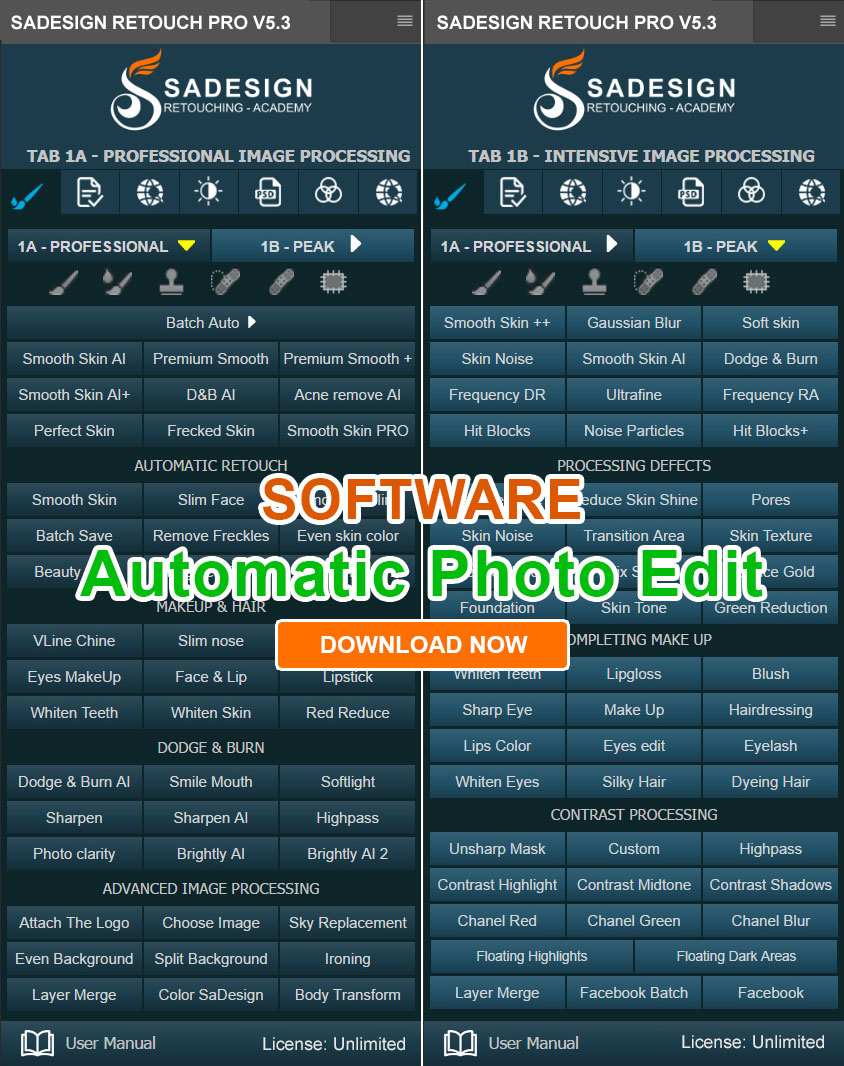
Plugin Retouch4me
69 USD

Upgrade genuine Capture One account
120 USD

Windows 10 & 11 Pro Key
36 USD

Upgrade Duolingo Super
29 USD

Upgrade Genuine Office 365
49 USD

MidJourney Account
29 USD
Copyright Adobe Lightroom Account
59 USD

Genuine Cheap Canva Pro
39 USD

ChatGPT Plus Account (GPT-4)
16 USD
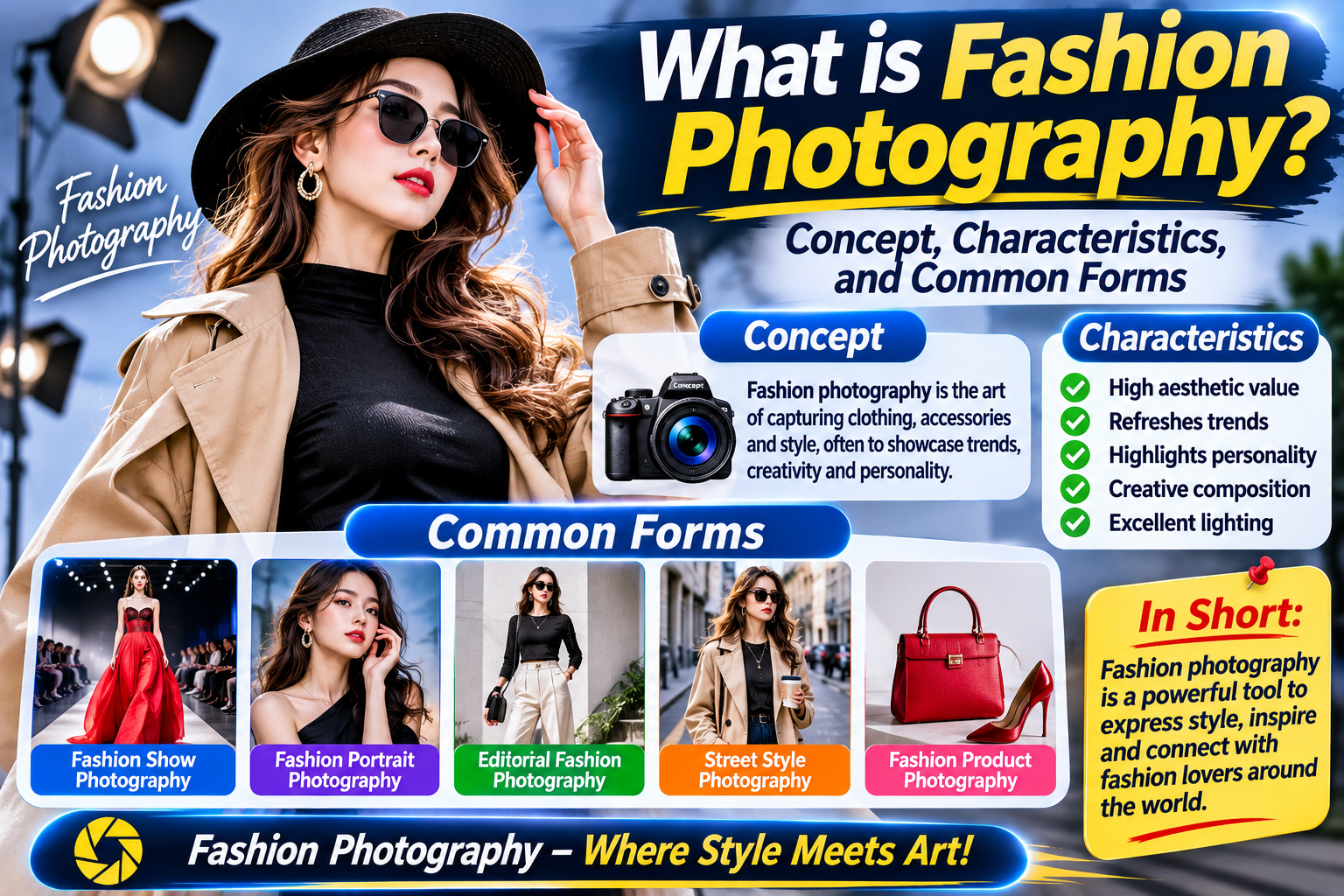
What is Fashion Photography? Concept, Characteristics, and Common Forms
Nội dung
- 1. The concept of fashion photography
- 2. Key characteristics of fashion photography
- 2.1. The focus is on fashion products.
- 2.2. Combining Commerce and Art
- 2.3. The entire team needs to cooperate.
- 3. Popular forms of fashion photography
- 3.1. Fashion photography in a studio
- 3.2. Outdoor Photography (Editorial/Location)
- 3.3. Fashion runway photography
- 4. The role of fashion photography in the modern industry
- 5. Conclusion
Fashion photography is not simply about capturing images of clothing; it''''s an art of storytelling through images. It''''s a field that combines fashion, photography, visual creativity, and commercial elements to celebrate the beauty of design.
1. The concept of fashion photography
Fashion photography is a genre of photography that focuses on and celebrates clothing, accessories, hairstyles, makeup, and fashion trends through both artistic and commercial perspectives.
Unlike conventional photography, fashion photography aims not only to accurately capture images but also to evoke emotions, style, and a unique message. A successful fashion photograph should help viewers appreciate the beauty of the garment, visualize how to use the product, and understand the spirit the designer wants to convey.
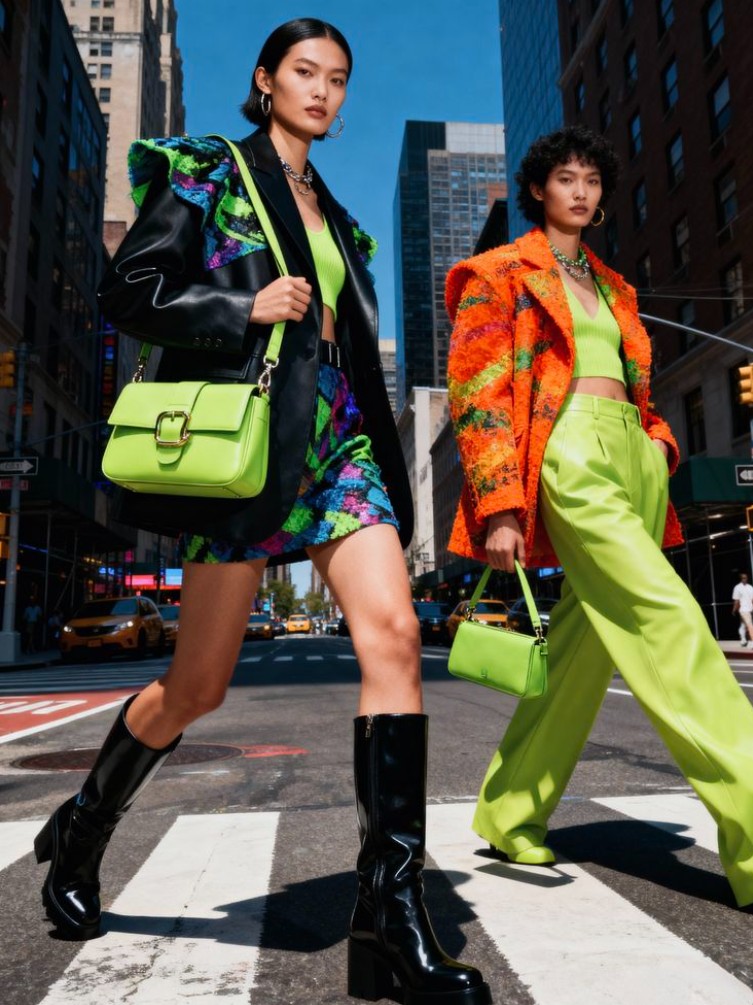
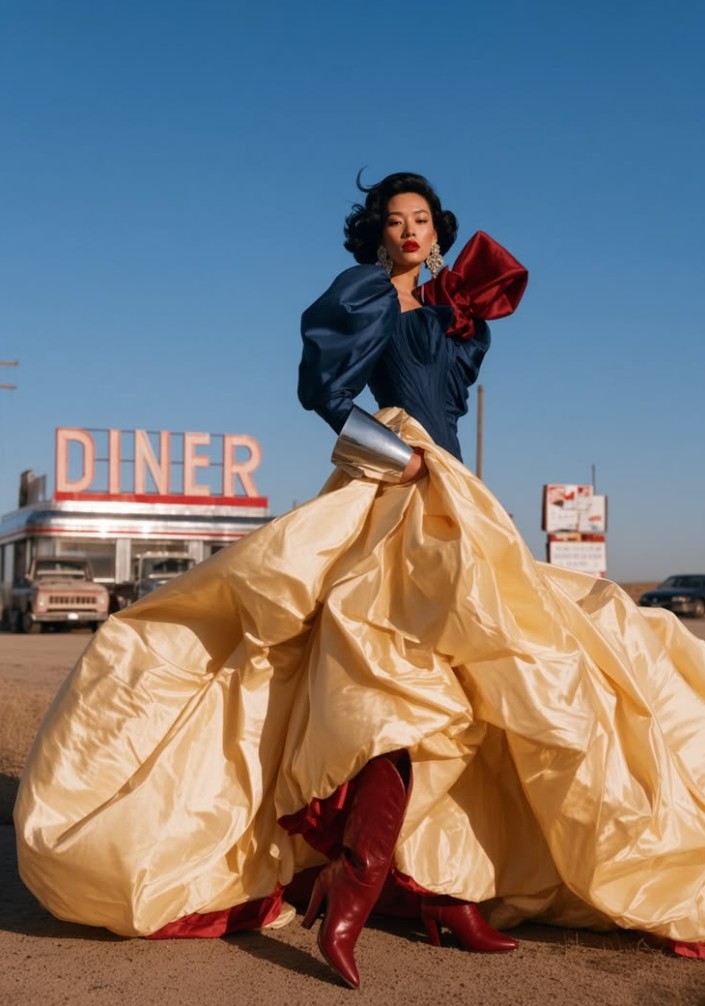
For example, a high-end dress is not only showcased through its fabric or stitching, but also through the model's posing, the lighting on each layer of fabric, the shooting location, and the overall expressive style. The photographer is the one who transforms the fashion product into an image with appeal and emotional value.
In the commercial sector, fashion photography is often used to promote brands, showcase new collections, or create a brand identity for designers. In the artistic field, it's an environment where photographers can experiment with ideas, create their own personal style, and explore new perspectives on fashion.
2. Key characteristics of fashion photography
2.1. The focus is on fashion products.
The biggest difference between fashion photography and portrait photography lies in the central subject of the photograph.
In portrait photography, the primary goal is often to convey the subject's emotions, personality, or story. Viewers pay close attention to the subject's eyes, expressions, and overall demeanor.
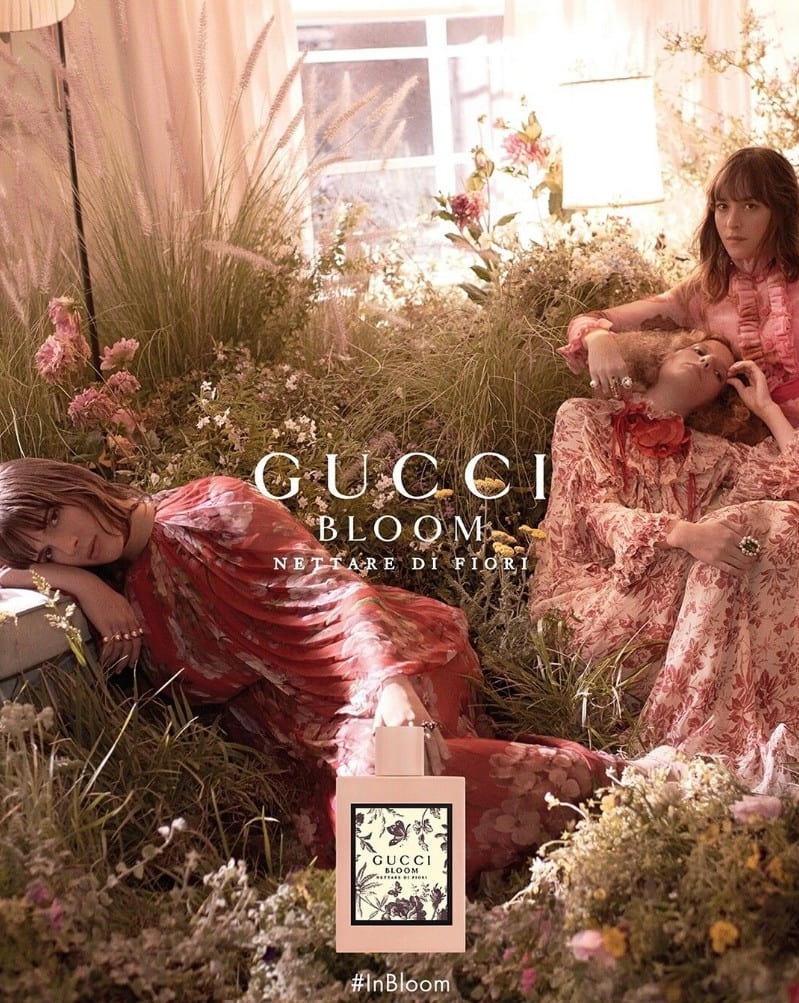
Conversely, in fashion photography, the clothing and accessories are the main characters. The model plays a supporting role to highlight the design, allowing the viewer to see the form, material, color, and how the garment moves on the body.
To achieve this, the photographer needs to understand the characteristics of the product. A garment with a unique structure requires a camera angle that showcases the tailoring. A dress made of a soft material needs the right posing and lighting to highlight the drape of the fabric.
2.2. Combining Commerce and Art
Fashion photography is the intersection of business goals and creative artistic thinking.
Commercially, fashion imagery is used in advertising campaigns, product catalogs, e-commerce websites, lookbooks, or other media publications. A beautiful set of photos can help a brand enhance product value, make a positive impression on customers, and build a professional image.
Major fashion magazines like Vogue, Elle, and Harper's Bazaar often use fashion photography as a visual storytelling tool. Magazine photo shoots not only showcase clothing but also reflect cultural trends, lifestyles, and aesthetic viewpoints of each era.
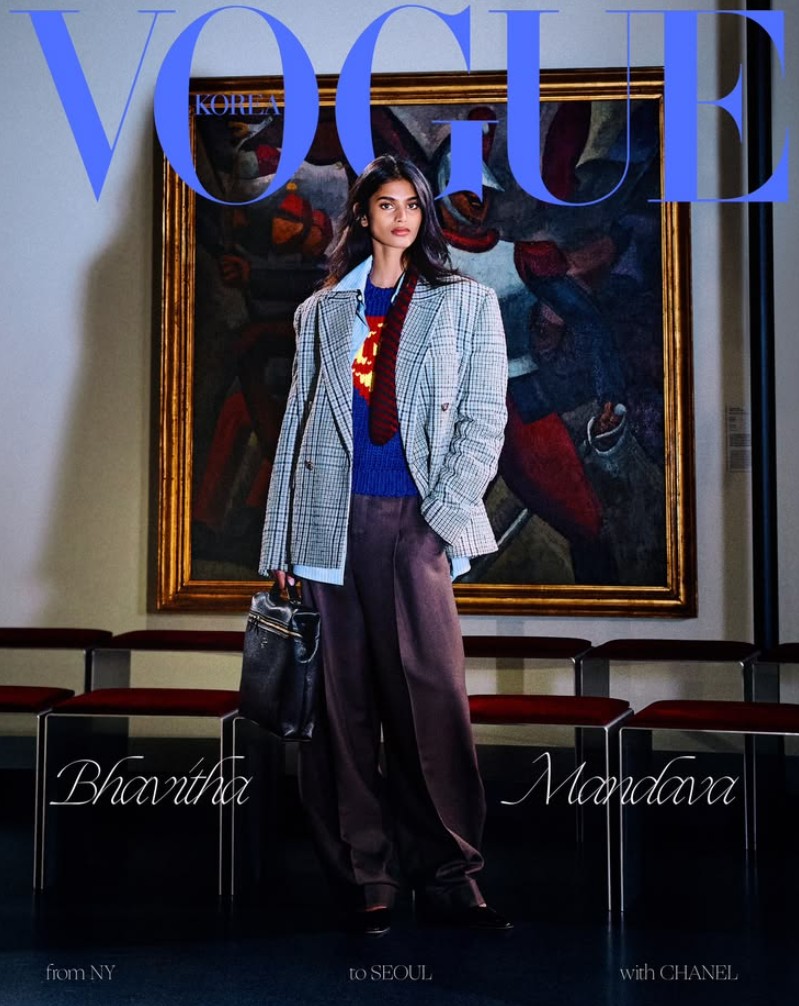
Beyond its commercial value, fashion photography also offers a creative space for photographers. They can experiment with different uses of light, color, setting, and ideas to create works that reflect their personal style.
2.3. The entire team needs to cooperate.
A professional fashion photoshoot isn't just the photographer's job; it requires the collaboration of many team members.
Before a photoshoot, the team typically goes through the stages of brainstorming, developing a concept, selecting costumes, preparing the setting, and planning the lighting. Each member has a specific role to ensure the final image achieves the stated goals.
The photographer is primarily responsible for camera angles, lighting, composition, and image quality. The art director guides the overall style, ensuring the photo series aligns with the brand message.
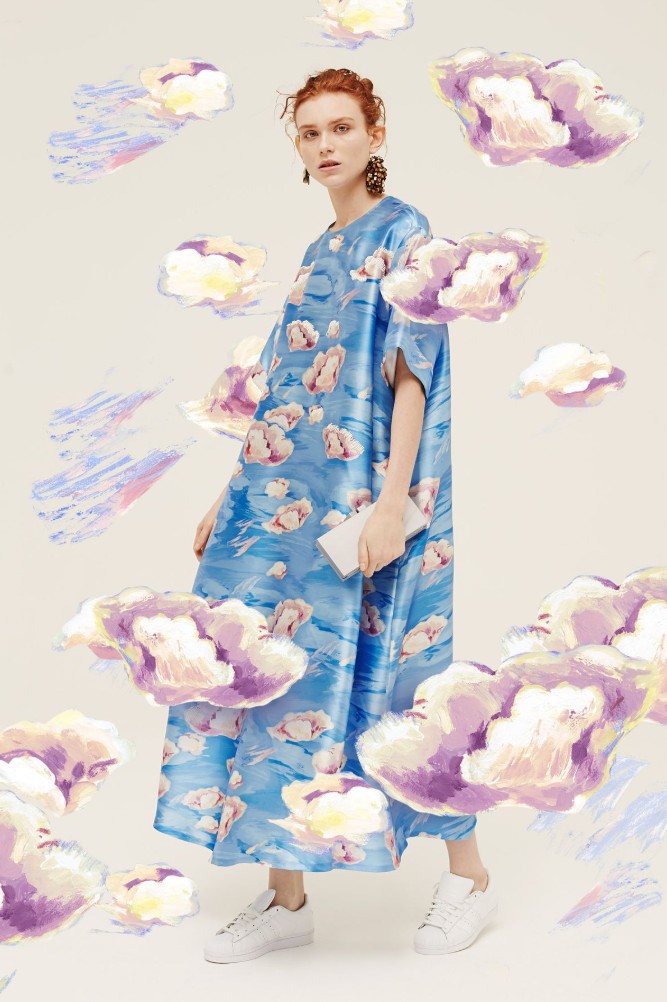
The stylist is responsible for selecting and coordinating outfits and accessories to suit the concept. The makeup artist and hairstylist ensure the model's appearance harmonizes with the style of the photoshoot.
3. Popular forms of fashion photography
3.1. Fashion photography in a studio
Studio photography is one of the most popular forms of fashion photography. With this style, the photographer has complete control over the lighting, background, and shooting space.
The biggest advantage of a studio setting is its ability to focus attention on the clothing. With a minimalist background, viewers can easily observe details such as the stitching, material, color, and style of the garment.
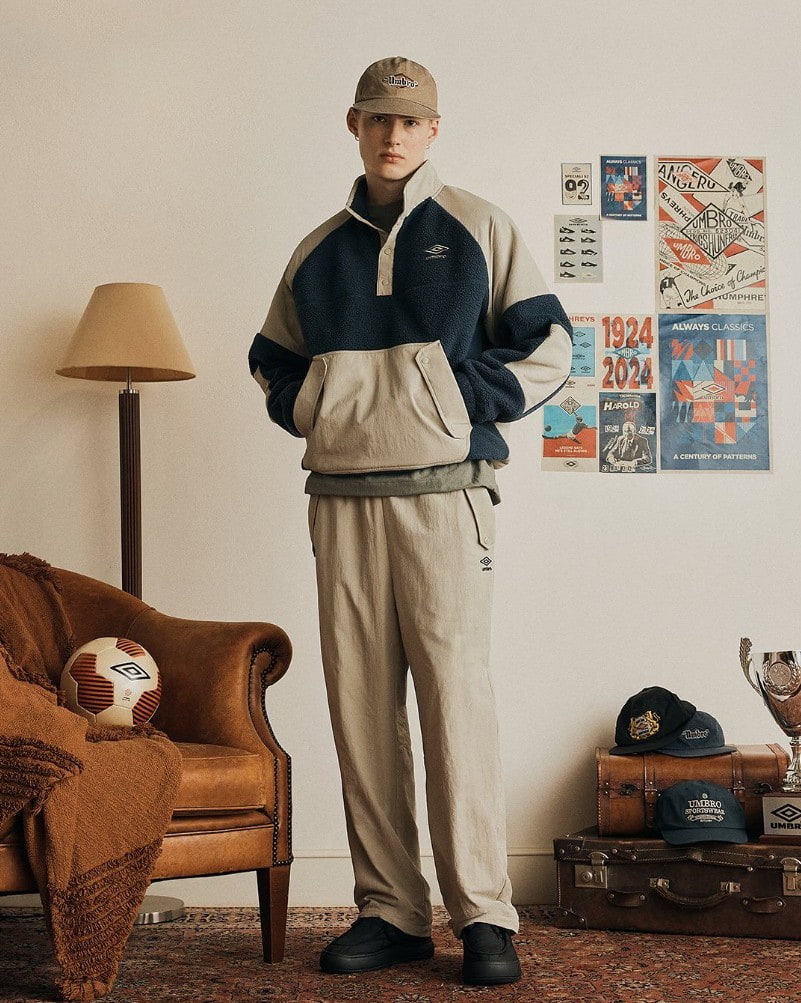
To conduct an effective studio photoshoot, the team usually begins by setting up the right lighting system. Soft lighting is often used to create a gentle feel, while high-contrast lighting can help images become more distinctive and powerful.
After setting up the lighting, the photographer will adjust the camera angle, guide the model in posing, and take multiple shots from different angles to find the image that best showcases the design.
Studio photography is commonly used for lookbooks, catalogs, product advertisements, and photo shoots showcasing new collections.
3.2. Outdoor Photography (Editorial/Location)
Unlike studio photography, outdoor photography focuses on building a story through real-world settings.
The shooting location could be the street, nature, ancient architecture, a resort, or any special space that suits the concept of the photo series.
This style is often used in editorial photoshoots because it evokes strong emotions and helps the outfits connect with a specific lifestyle.
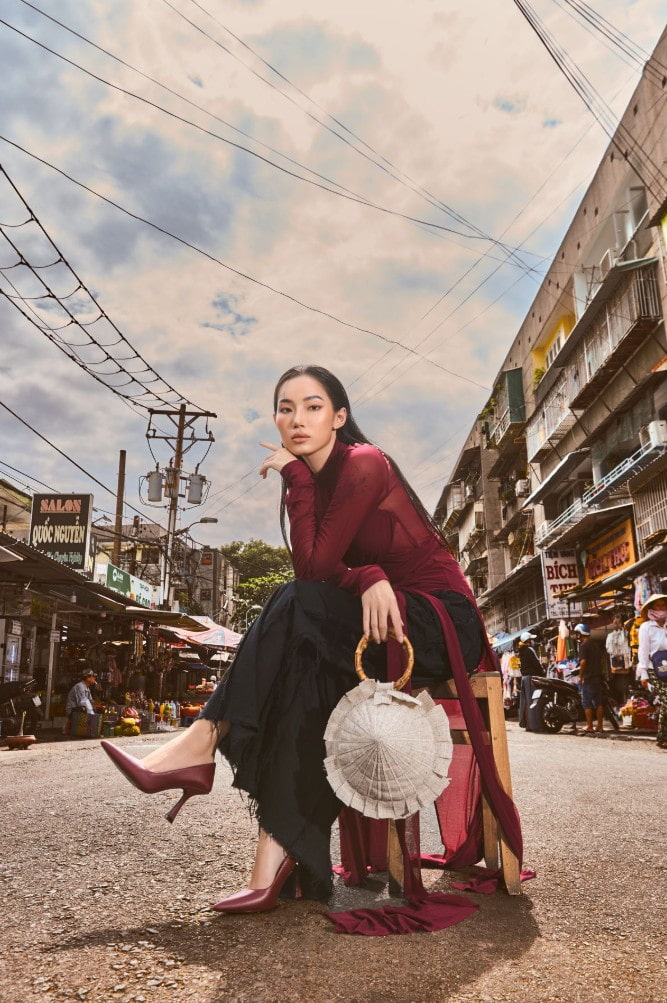
The outdoor photoshoot process usually begins with selecting a location that suits the concept. Then, the team needs to assess the lighting, shooting time, and other factors that affect image quality.
Photographers need to utilize natural light, combined with supporting equipment if necessary, to create images with depth. Models also need to express more emotion to harmonize with the surrounding environment.
Outdoor photography offers a natural and storytelling-rich experience, allowing viewers to not only see the garments but also feel the style and spirit of the collection.
3.3. Fashion runway photography
Stage photography is a form of capturing the moments when collections are presented live on the fashion runway.
Unlike studio or editorial photography, runway photographers must work in constantly changing conditions. Models move quickly, stage lighting changes, and camera angles are often limited.
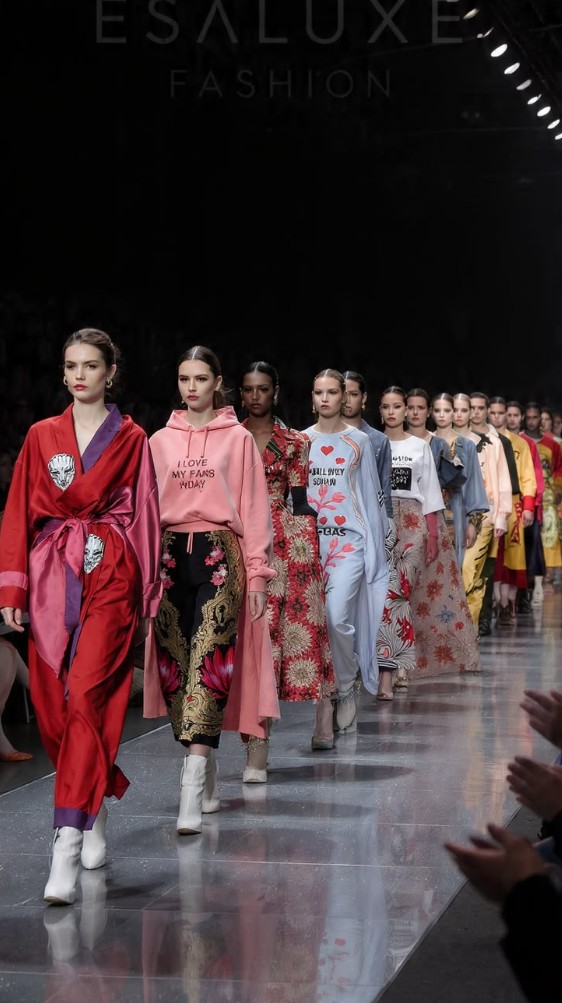
To capture high-quality photographs, photographers need quick reflexes, the ability to choose the precise moment to press the shutter button, and a thorough understanding of the model's movements.
Runway photos not only capture the outfits but also reflect the atmosphere of the show, the models' demeanor, and the designer's creativity.
This is an important resource used in fashion journalism, brand communication, and archiving the history of collections.
4. The role of fashion photography in the modern industry
In the digital age, fashion images are increasingly influential in customers' purchasing decisions. A beautiful photo can make a product more appealing, build trust, and enhance brand value.
Especially with the development of social media, fashion photography is no longer limited to major magazines but frequently appears on Instagram, brand websites, e-commerce platforms, and online advertising campaigns.
Brands are increasingly investing in their image because it is a crucial factor in differentiating them in a competitive market.
Furthermore, fashion photography also contributes to preserving the development of this industry. The photo collections from different periods reflect the changes in style, trends, and aesthetic perspectives of society.
5. Conclusion
Fashion photography is not just about capturing clothing; it's a creative process aimed at telling a story through images. It's a field that combines photographic techniques, visual art, and commercial goals.
From sophisticated studio photographs and emotionally rich editorials to memorable moments on the fashion runway, each form contributes to bringing the beauty of fashion closer to the public.
To create a successful fashion photoshoot, a photographer needs knowledge of lighting, composition, fashion, and the ability to coordinate with a professional team. It is this combination of technique and creativity that has made fashion photography one of the most influential art forms in the modern industry.

















VIP Products






Best Selling Products
Adobe Photoshop Copyright - Full App
120 USD
Adobe Premiere Pro Account
99 USD
Freepik Premium Account
59 USD
Capcut Pro 1 Year
39 USD
Autodesk All App Account Copyright
120 USD
Genuine Adobe Illustrator account
99 USD
Plugin Retouch4me
69 USD
Upgrade genuine Capture One account
120 USD
Windows 10 & 11 Pro Key
36 USD
Upgrade Duolingo Super
29 USD
Upgrade Genuine Office 365
49 USD
MidJourney Account
29 USD
Copyright Adobe Lightroom Account
59 USD
Genuine Cheap Canva Pro
39 USD
ChatGPT Plus Account (GPT-4)
16 USD