Best Selling Products

Copyright Adobe Lightroom Account
59 USD

Upgrade Duolingo Super
29 USD

Capcut Pro 1 Year
39 USD

MidJourney Account
29 USD

Upgrade Genuine Office 365
49 USD

Freepik Premium Account
59 USD

Genuine Cheap Canva Pro
39 USD

ChatGPT Plus Account (GPT-4)
16 USD

Genuine Adobe Illustrator account
99 USD

Adobe Photoshop Copyright - Full App
120 USD

Adobe Premiere Pro Account
99 USD

Plugin Retouch4me
69 USD

Upgrade genuine Capture One account
120 USD

Autodesk All App Account Copyright
120 USD

Windows 10 & 11 Pro Key
36 USD
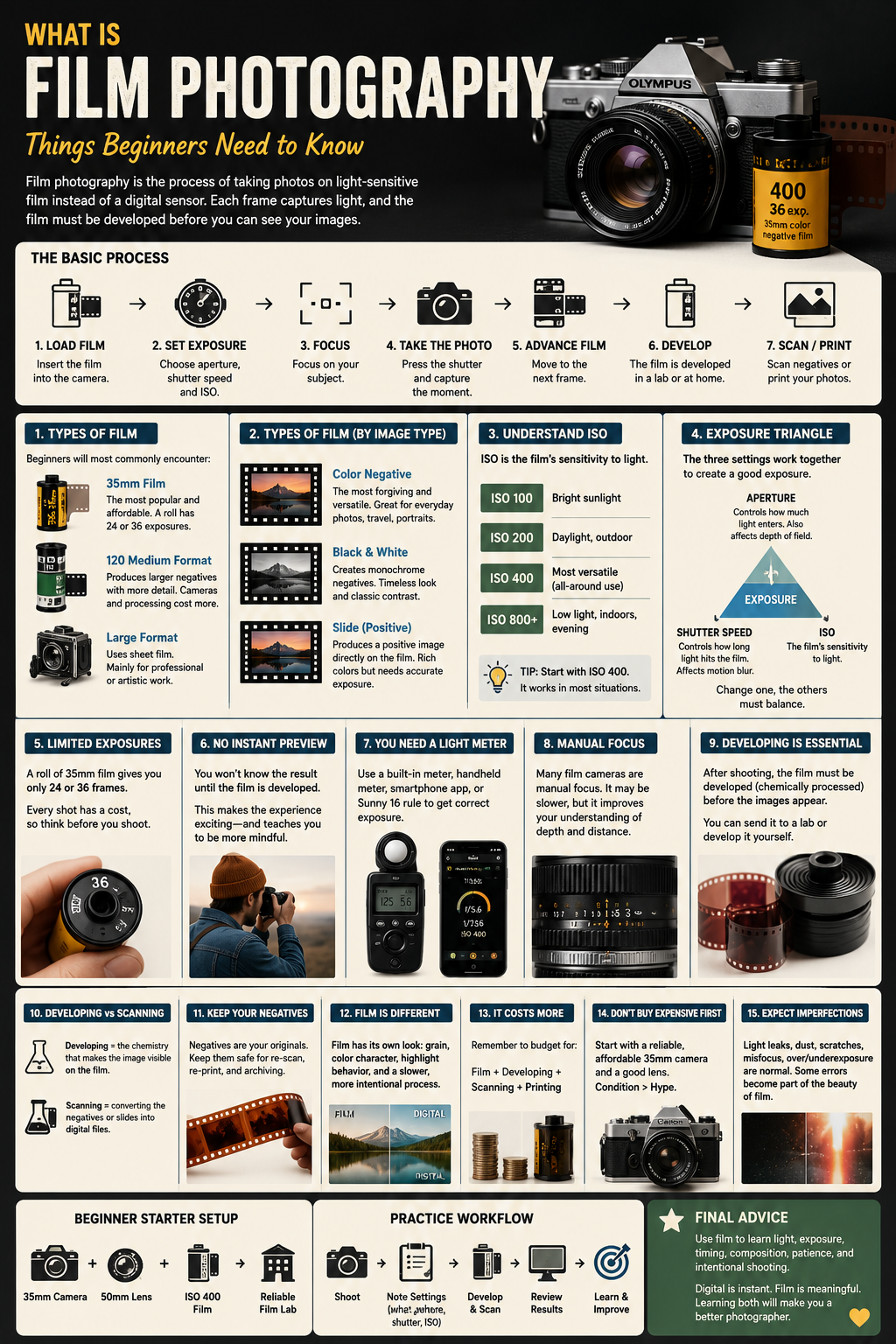
What is film photography? Things beginners need to know.
Nội dung
- 1. What is film photography?
- 2. Why are film photographs so appealing?
- 3. Do you like things to go slowly?
- 4. Are you ready to learn metering?
- 5. Choose a film camera according to your needs.
- 6. Choose the right film.
- 7. Do you accept imperfect photos?
- 8. Don't overlook the lens.
- 9. Learn how to keep the machine stable.
- 10. Layout is still important.
- 11. Develop and scan film.
- 12. So, is shooting film suitable for you?
Film photography is making a strong comeback thanks to its distinctive colors, nostalgic feel, and the slow, personal shooting experience it offers.
1. What is film photography?
Film cameras essentially use a roll of light-sensitive film to record images instead of a digital sensor. When the shutter button is pressed, the shutter opens for a certain period of time to allow light to pass through the aperture and impact the film surface. After capturing enough frames, the film needs to be developed and often scanned to create digital files or printed photographs.
This mechanism makes the film shooting experience completely different from digital cameras. With a digital camera, you can shoot, check the image, delete a bad shot, and shoot again immediately. With film, each press of the shutter is almost a decision. You have to visualize beforehand the light, composition, subject, and what the image will likely look like.
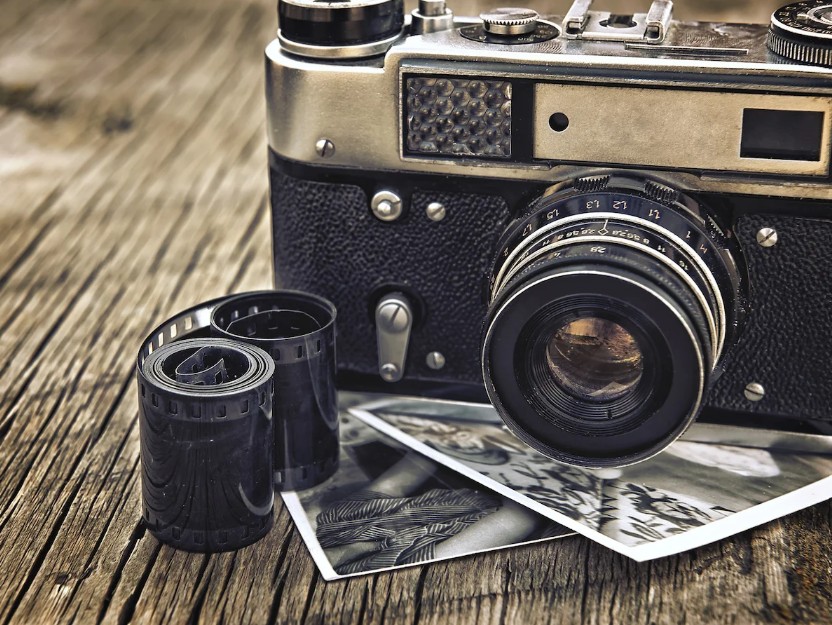
It is this slow pace that makes film photography not just a method of recording images, but also a photographic experience. The photographer must observe more, think before pressing the shutter, and learn to accept that not every photograph will be perfect.
2. Why are film photographs so appealing?
One of the biggest reasons many people turn to film is its distinctive color and image quality. However, there isn't a single "film color." The result depends on the type of film, ISO, lighting conditions, camera, developing process, and even the scanning method. Therefore, the same roll of film, but developed or scanned in different places, can still produce different shades.
Film photography is often favored for its natural, soft feel, sometimes with grain and color variations that are difficult to perfectly replicate with a single photo editing formula. Imperfections like film grain, slight lighting deviations, or inaccurate colors sometimes become part of its beauty.
If you love photos with a nostalgic, everyday, rustic, or vintage feel, film might be a good fit. Conversely, if you need absolutely sharp images, accurate colors, and complete control over the processing, a digital camera might be more convenient.
3. Do you like things to go slowly?
This is probably the most important question before starting to watch a movie.
Shooting film requires patience. A typical 35mm film roll can only take about 24–36 shots, while 120 film can yield fewer frames depending on the format.
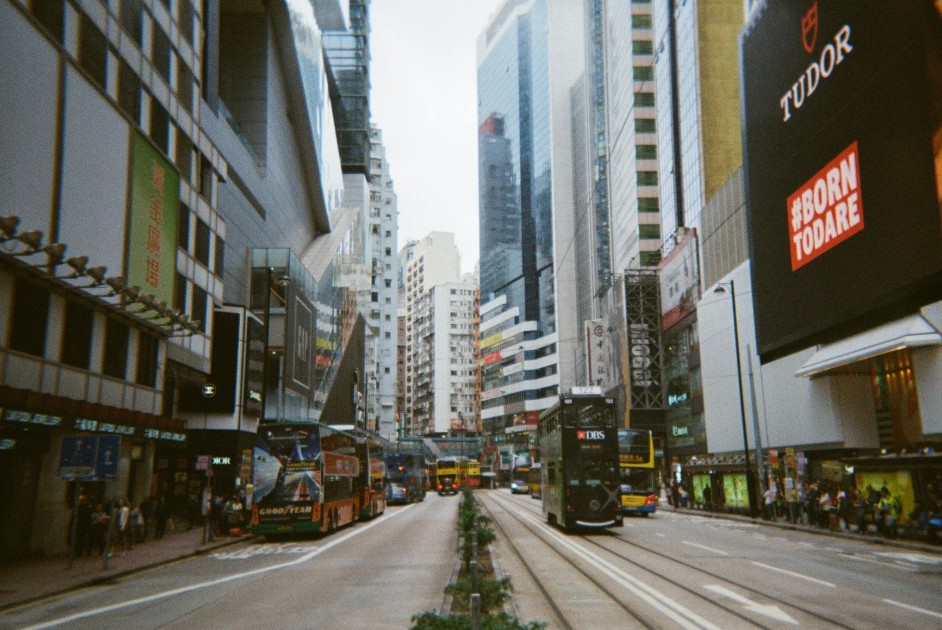
This means you can't just casually snap dozens of photos of the same moment and then choose the best one. Instead, you have to observe, compose, and decide whether the current moment is truly worth capturing in a single frame.
If you enjoy slow-motion shooting, observing carefully before shooting, and treating each photograph as a valuable product, film can offer a very enjoyable experience.
Conversely, if you frequently photograph events, sports, or extremely fast-paced moments and need hundreds of photos to choose from, a digital camera will have many advantages.
4. Are you ready to learn metering?
Light is a particularly important factor when shooting film. Film is very sensitive to light, so the amount of light entering the film needs to be carefully controlled. Metering mainly involves two factors: aperture and shutter speed .
The aperture determines the amount of light that passes through the lens. The smaller the f-number, the wider the aperture and the more light enters. Conversely, a larger f-number means a smaller aperture and less light enters.
Shutter speed determines the amount of time light impacts the film. Slower shutter speeds allow more light to enter, but also increase the risk of motion blur or shaking. Faster shutter speeds freeze motion but require more light.
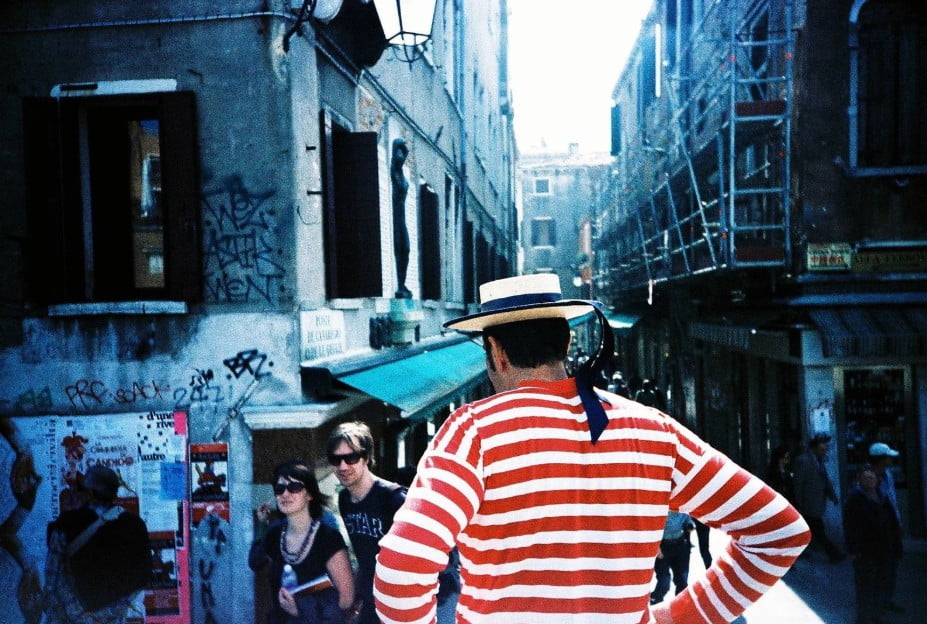
If you're using a fully manual film camera, you need to understand the relationship between these two parameters even more clearly. However, beginners don't necessarily have to start with a completely manual camera. Point-and-shoot cameras or some film cameras with automatic modes can simplify the metering and focusing process.
5. Choose a film camera according to your needs.
The most expensive film camera isn't necessarily the best choice for beginners. What's important is that the camera suits the style of photography you want to do.
If you want something simple, fast, and with minimal parameter adjustments, a point-and-shoot camera is an accessible starting point. You just point the camera, compose the shot, and press the shutter button. Some automatic cameras can automatically adjust the necessary parameters to produce an image with the right brightness.
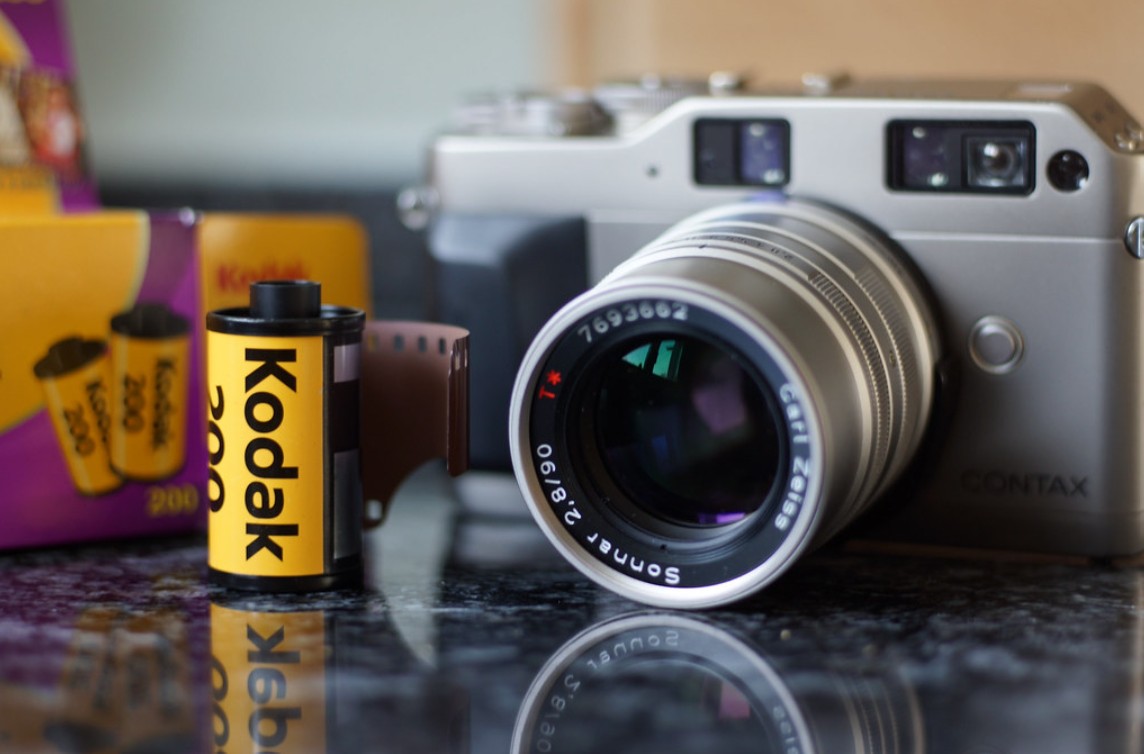
If you want to learn photography in a more structured way, a film camera with the ability to adjust aperture, shutter speed, and manual focus would be more suitable. You will have more control over your images, but you will also need to dedicate time to learning how to use it.
Additionally, there are cameras that use various film formats. 135 film, often called 35mm, is a popular choice with an image size of 24×36mm. 120 film is commonly used for medium format cameras and has a larger image size, but fewer images per roll.
6. Choose the right film.
After the camera, film is the factor that directly influences the result.
Film comes in various ISO levels. Low ISO film is generally suitable for well-lit conditions, while high ISO film is more convenient for shooting in low-light conditions. Using film with a very low ISO in a dark environment may result in underexposed photos or require a slow shutter speed, increasing the risk of camera shake and blur.
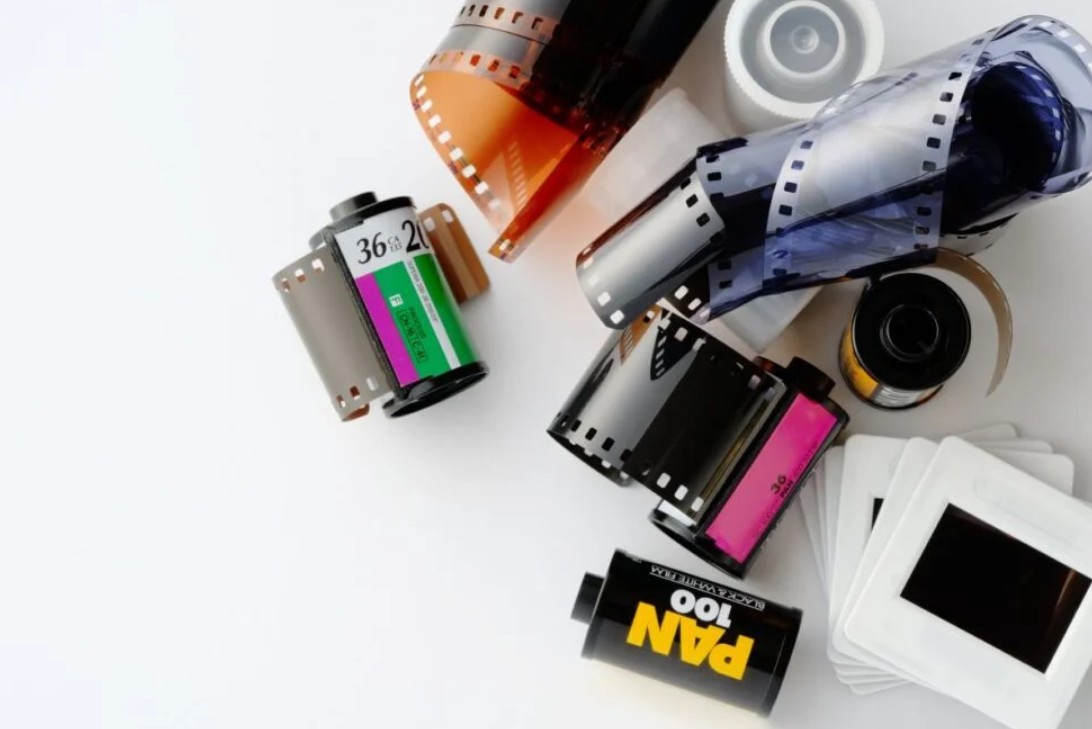
Beginners can start with the popular, readily available, and relatively affordable color negative film. Black and white film, on the other hand, is suitable for those who want to focus on light, form, and emotion rather than color.
Besides new film, there's also expired film , meaning film that's past its expiration date. Expired film can create interesting color variations, but the results are more unpredictable. For beginners, this isn't a safe choice if the goal is to get consistent photos. Expired film is more suitable when you understand how the camera works and want to experiment.
7. Do you accept imperfect photos?
This is a very important factor.
One of the appealing aspects of film is its imperfection. Images may exhibit grain, color distortion, contrast differences, or sometimes be overexposed or underexposed. These characteristics aren't necessarily flaws if they align with the intended image.
If you always want every photo to be perfectly sharp, accurately exposed, and have consistent colors, the film experience might disappoint you.
Conversely, if you treat each roll of film as an experiment and are willing to accept surprises, the shooting process will be much more enjoyable.
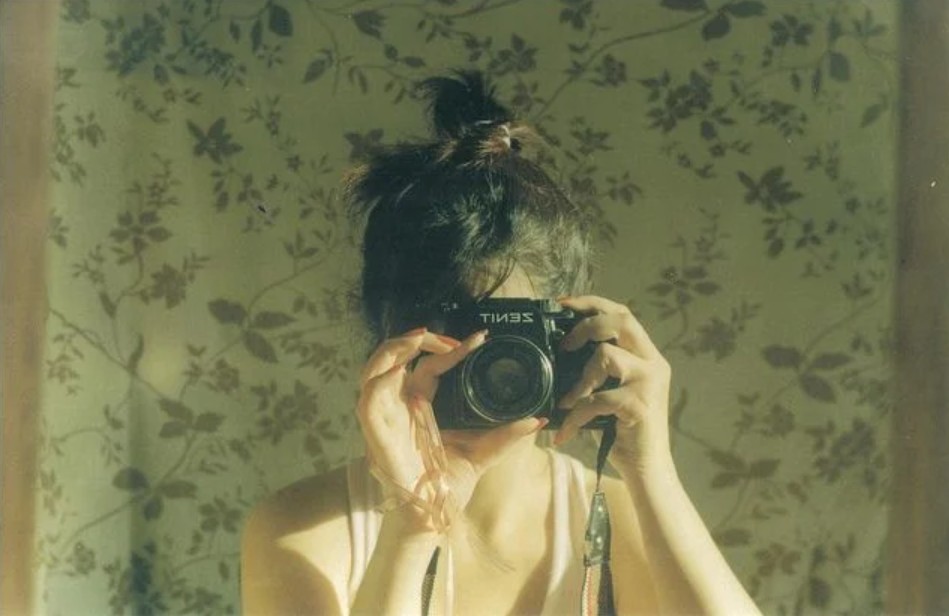
That's also why film photography often feels personal. Not every outcome can be completely predicted beforehand.
8. Don't overlook the lens.
The lens plays a crucial role in determining the viewing angle, distance, and style of a photograph. With film cameras, changing the focal length isn't always as convenient as with digital cameras, as you need to choose the right lens before shooting.
If you enjoy candid, street photography and want to include the background in your frame, a wide focal length like 28mm or 35mm is often a good option. If you prefer portraits and want to focus on the subject, a focal length of around 50mm or 85mm might be more suitable.
Most importantly, determine what you usually photograph before choosing a lens. You don't need to own too many lenses right from the start. A lens that suits your personal style is often more valuable than a bulky but rarely used set of equipment.
9. Learn how to keep the machine stable.
Because each roll of film has a limited number of frames, keeping the camera steady is essential. Even a small movement during shooting can cause camera shake, especially when using slow shutter speeds.
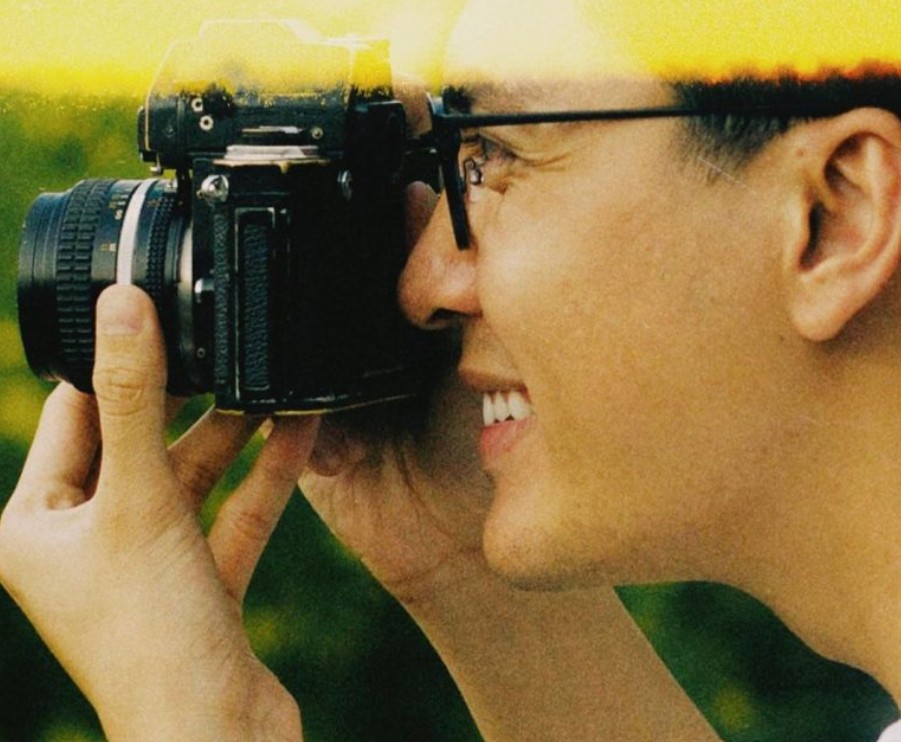
If shooting in low light conditions, you should find a stable support or use a tripod when possible. Also, hold the camera with both hands, press it firmly against your body, and gently press the shutter button.
This is a seemingly simple skill, but it directly affects image quality. Once you become familiar with controlling the camera, you'll be less reliant on taking multiple shots to find a sharp image.
10. Layout is still important.
Whether using a film camera or a digital camera, composition remains the foundation of a good photograph.
The rule of thirds is an easy starting point to apply. You can divide the frame into three sections horizontally and vertically, then place the subject or key point near the intersections to create visual balance.
However, don't let the rules become a limit to your creativity. Once you understand composition, you can try placing the subject in the center, using leading lines, empty space, or layers of foreground, middleground, and background to create depth.
Film encourages photographers to think more carefully before pressing the shutter button. Therefore, it's also a good opportunity to hone observation skills and composition.
11. Develop and scan film.
Shooting doesn't mean the process is over. The film needs to be developed so the images are visible, and then it can be scanned to convert them into digital files. Nowadays, photographers can often take their film to professional labs instead of doing the entire process themselves at home.
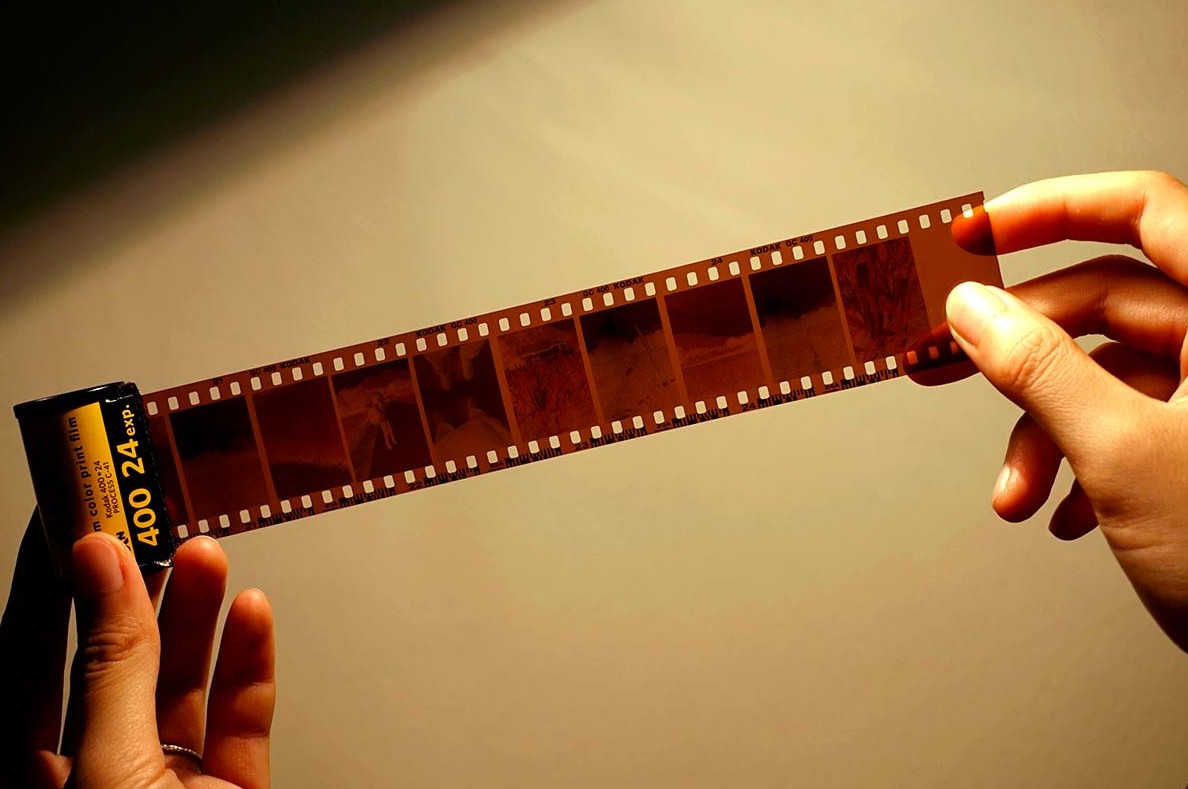
The quality of developing and scanning can significantly impact the final color. Therefore, if you want to build a consistent photographic style, find a lab with a suitable quality and clearly discuss how you want your photos processed.
Film also needs careful storage. It is a light-sensitive material and is affected by the environment. Storing film in a cool, dry place and away from direct sunlight helps minimize the risk of quality degradation.
12. So, is shooting film suitable for you?
If you enjoy slow-motion photography, appreciate distinctive colors, want to experience the thrill of waiting for the image to appear, and don't mind the unexpected results, then film might be right for you.
If you're looking for a way to learn photography in more detail, film can also help you hone your observational skills. The limited number of photos forces you to think before you shoot, thus gaining a better understanding of light, composition, shutter speed, and aperture.
But if you need speed, convenience, and the ability to check photos instantly, a digital camera is still the more practical choice. You don't necessarily have to choose one over the other either. Many photographers use digital cameras for high-performance work and film cameras for personal projects, travel, or moments they want to capture in a special way.





















VIP Products








Best Selling Products
Copyright Adobe Lightroom Account
59 USD
Upgrade Duolingo Super
29 USD
Capcut Pro 1 Year
39 USD
MidJourney Account
29 USD
Upgrade Genuine Office 365
49 USD
Freepik Premium Account
59 USD
Genuine Cheap Canva Pro
39 USD
ChatGPT Plus Account (GPT-4)
16 USD
Genuine Adobe Illustrator account
99 USD
Adobe Photoshop Copyright - Full App
120 USD
Adobe Premiere Pro Account
99 USD
Plugin Retouch4me
69 USD
Upgrade genuine Capture One account
120 USD
Autodesk All App Account Copyright
120 USD
Windows 10 & 11 Pro Key
36 USD