Best Selling Products

Freepik Premium Account
59 USD

Plugin Retouch4me
69 USD

Genuine Cheap Canva Pro
39 USD

Genuine Adobe Illustrator account
99 USD

Copyright Adobe Lightroom Account
59 USD

Upgrade Duolingo Super
29 USD

Upgrade genuine Capture One account
120 USD

MidJourney Account
29 USD

Upgrade Genuine Office 365
49 USD

Autodesk All App Account Copyright
120 USD

Capcut Pro 1 Year
39 USD

Adobe Photoshop Copyright - Full App
120 USD

Windows 10 & 11 Pro Key
36 USD

ChatGPT Plus Account (GPT-4)
16 USD

Adobe Premiere Pro Account
99 USD
What Is Motion Freezing? The Photography Technique for Capturing Action-Packed Moments
Nội dung
- 1. The Principle of Motion Freezing in Photography
- 2. Equipment Needed for Motion Freezing
- 3. Detailed Motion Freezing Workflow
- 3.1. Determine the Composition
- 3.2. Control Ambient Light
- 3.3. Set Up the Lighting System
- 3.4. Capture the Moment
- 4. Factors Affecting Shutter Speed
- 4.1. Speed and Direction of Movement
- 4.2. Distance to the Subject
- 4.3. Lens Focal Length
- 5. Notes When Using Flash and Shutter Speed
- 6. Practical Applications
Motion freezing is a technique that uses a high shutter speed or flash lighting to “freeze” a moment in action, making the subject appear completely still in the photograph.
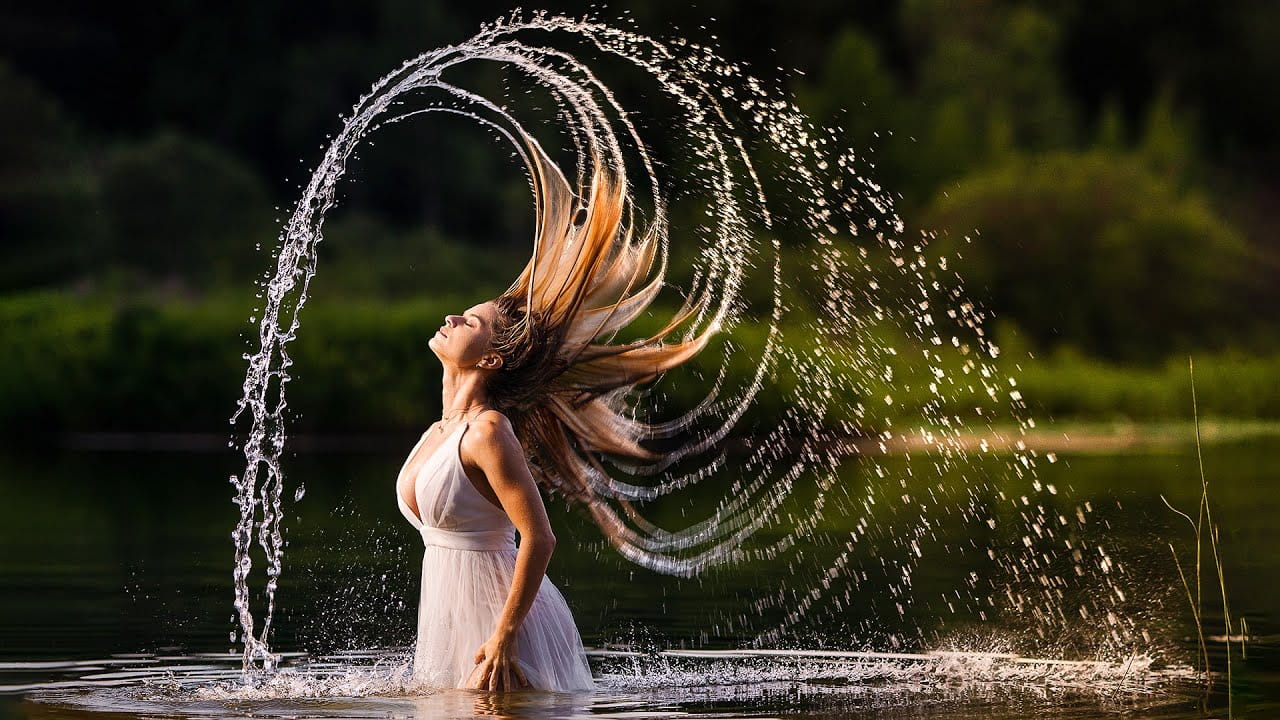
1. The Principle of Motion Freezing in Photography
Motion freezing is a technique that uses a high shutter speed or flash lighting to “capture” an ongoing moment, making the subject appear motionless in the final image.
Under normal conditions, when a subject moves quickly and the shutter speed is not fast enough, the image becomes blurred because the camera sensor records movement during the exposure period. Conversely, when the shutter speed is sufficiently fast, the motion is “cut off” at a specific instant, resulting in a sharp image.
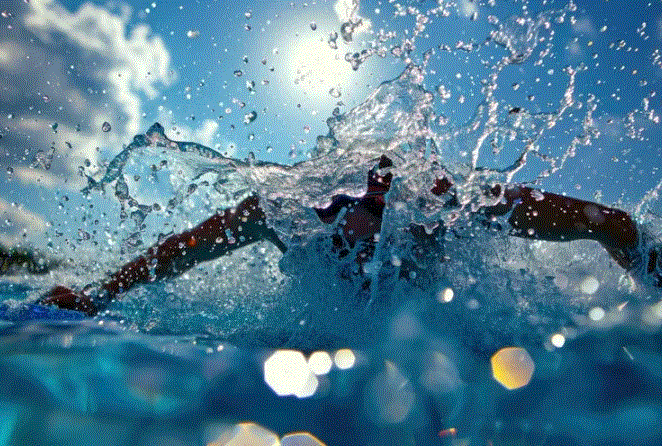
There are two primary methods for freezing motion:
The first is using a high shutter speed. This is the most common and easiest approach to apply, suitable for various situations such as sports, wildlife, and street photography.
The second is using flash. In a controlled lighting environment, a flash can emit an extremely short burst of light, helping to “freeze” movement even when the shutter speed is not exceptionally high.
Understanding this principle is the first step toward applying the technique effectively in real-world situations.
2. Equipment Needed for Motion Freezing
To achieve the best results, choosing suitable equipment plays a crucial role. However, you do not necessarily need expensive gear; understanding how to maximize the tools you have is what matters most.
A high-resolution camera helps capture greater detail and allows you to crop images without significantly reducing quality. Modern mirrorless cameras perform exceptionally well in this regard, such as the Canon EOS R5 with its fast shooting capabilities and powerful sensor.
%20(1).jpg)
The lens is another important factor. A wide-angle lens or standard zoom lens such as the Canon RF 28–70mm f/2 L USM offers flexibility in composition while maintaining excellent image quality. The lens's large aperture also allows more light to enter, which is beneficial when shooting at high shutter speeds.
%20(1).jpg)
An external flash is an essential tool in studio environments or low-light situations. Flash units produce short bursts of light capable of freezing motion more effectively than continuous lighting.
Additionally, accessories such as tripods, flash triggers, and softboxes can help control lighting and improve stability during shooting.
3. Detailed Motion Freezing Workflow
To perform this technique effectively, you should follow a structured process from preparation to shooting and post-processing.
3.1. Determine the Composition
The first step is establishing your composition. A wider frame is often the safest choice because it reduces the risk of missing your subject's movement. This is especially important when photographing fast or unpredictable actions.
Shooting wide also allows greater flexibility for cropping during post-processing while maintaining image quality, particularly when using high-resolution cameras.
3.2. Control Ambient Light
In a studio environment, minimizing ambient light is essential to avoid “ghosting,” where ambient light and flash light overlap and create unwanted blur.
You should set an appropriate shutter speed, such as 1/200s, combined with an aperture of f/7.1 and ISO 800 to ensure sharp images and proper light control.
%20(1).jpg)
In outdoor environments, controlling light is more challenging, but you can still take advantage of natural light and adjust your settings to achieve similar results.
3.3. Set Up the Lighting System
A key light plays an important role in defining the subject. You can use a flash combined with a shoot-through umbrella to create soft light and reduce harsh shadows.
A secondary light source helps add depth and emphasis, making the image more dynamic. Proper lighting placement not only helps freeze motion but also contributes to creating aesthetically pleasing photographs.
3.4. Capture the Moment
Once everything is set up, the final step is pressing the shutter at the right moment. This aspect relies heavily on skill and experience. You need to anticipate the subject's movement and react quickly to capture the most compelling instant.
After shooting, you can further refine the image using post-processing software.
4. Factors Affecting Shutter Speed
Shutter speed is the core element of motion freezing. However, selecting the appropriate speed depends on several different factors.
4.1. Speed and Direction of Movement
This is the most important factor. For slow movements such as waving a hand, a shutter speed of around 1/100s may be sufficient. For fast actions such as sports, you may need 1/1000s or even faster.
The direction of movement also has a significant impact. When a subject moves toward or away from the camera, the motion appears less pronounced in the frame and is therefore easier to freeze. In contrast, movement across the frame generally requires higher shutter speeds.
%20(1).jpg)
4.2. Distance to the Subject
The closer the subject is, the more noticeable its movement becomes and the more likely blur will occur. Therefore, a faster shutter speed is required. When the subject is farther away, you can often use a slower shutter speed while still maintaining sharpness.
4.3. Lens Focal Length
Wide-angle lenses are generally less sensitive to motion, allowing the use of slower shutter speeds. Telephoto lenses, on the other hand, magnify movement and require higher shutter speeds to avoid blur.
5. Notes When Using Flash and Shutter Speed
When using flash, the flash power directly affects flash duration. The higher the power output, the longer the flash duration, which can cause slight blur in fast-moving subjects. Conversely, reducing the flash power shortens the flash duration, helping to “freeze” movement more effectively. This is why photographers often prefer using flash at lower power settings for fast-action photography, compensating by pl acing the flash closer to the subject or using multiple light sources.
%20(1).jpg)
Additionally, lower flash power reduces recycle time, allowing for more consistent continuous shooting. This is especially useful when capturing multiple consecutive moments, such as falling water droplets or repetitive motion.
Another important factor is flash sync speed. Most cameras have a maximum shutter speed for flash use, typically around 1/200s or 1/250s. Exceeding this limit without using High-Speed Sync (HSS) can result in part of the frame appearing dark. Therefore, it is essential to understand your equipment's limitations and configure settings accordingly.
Regarding shutter speed, increasing it reduces the amount of light reaching the sensor. As a result, you may need to compensate by opening the aperture wider or increasing the ISO. However, excessively high ISO values can introduce noise and reduce image quality, so adjustments should be made carefully based on lighting conditions.
6. Practical Applications
In practice, motion freezing is widely used in various genres of photography, including sports, wildlife, action portraits, and creative product photography. It is an effective way to capture fast-moving, emotionally charged moments that are difficult for the human eye to observe clearly.
In sports and wildlife photography, this technique captures dynamic actions such as jumping, running, flapping wings, or hunting behavior. In creative portrait photography, it can record movements such as hair flips, jumps, or interactions with water and colored powder, creating striking visual effects. In product photography, motion freezing is often used to capture splashing liquids or moving objects, enhancing the appeal of advertising images.
%20(1).jpg)
The most important skill is practice and observation. You need to understand the subject's movement, anticipate key moments, and adjust camera settings accordingly. Using continuous shooting and continuous autofocus can significantly improve your chances of capturing the perfect moment.
Additionally, shooting in RAW format provides greater flexibility during post-processing, especially when adjusting exposure and colors. Patience and repeated experimentation are essential factors in improving your skills and achieving the best possible results.
In summary, motion freezing is an important technique that enhances both the quality and artistic value of photographs. By mastering the principles, equipment, and camera settings involved, you will be able to capture remarkable moments that are difficult for the human eye to perceive.
Mastering this technique not only improves your photography skills but also opens up many new creative opportunities throughout your photographic journey.





















VIP Products








Best Selling Products
Freepik Premium Account
59 USD
Plugin Retouch4me
69 USD
Genuine Cheap Canva Pro
39 USD
Genuine Adobe Illustrator account
99 USD
Copyright Adobe Lightroom Account
59 USD
Upgrade Duolingo Super
29 USD
Upgrade genuine Capture One account
120 USD
MidJourney Account
29 USD
Upgrade Genuine Office 365
49 USD
Autodesk All App Account Copyright
120 USD
Capcut Pro 1 Year
39 USD
Adobe Photoshop Copyright - Full App
120 USD
Windows 10 & 11 Pro Key
36 USD
ChatGPT Plus Account (GPT-4)
16 USD
Adobe Premiere Pro Account
99 USD