Best Selling Products
Upgrade Duolingo Super
29 USD

Capcut Pro 1 Year
39 USD

MidJourney Account
29 USD

Autodesk All App Account Copyright
120 USD

Plugin Retouch4me
69 USD

Freepik Premium Account
59 USD

Copyright Adobe Lightroom Account
59 USD
Upgrade genuine Capture One account
120 USD
Genuine Cheap Canva Pro
39 USD
Adobe Premiere Pro Account
99 USD

ChatGPT Plus Account (GPT-4)
16 USD
Upgrade Genuine Office 365
49 USD
Adobe Photoshop Copyright - Full App
120 USD

Windows 10 & 11 Pro Key
36 USD
Genuine Adobe Illustrator account
99 USD
YouTube is testing unskippable 30-second ads on TV; how are viewers reacting?
Nội dung
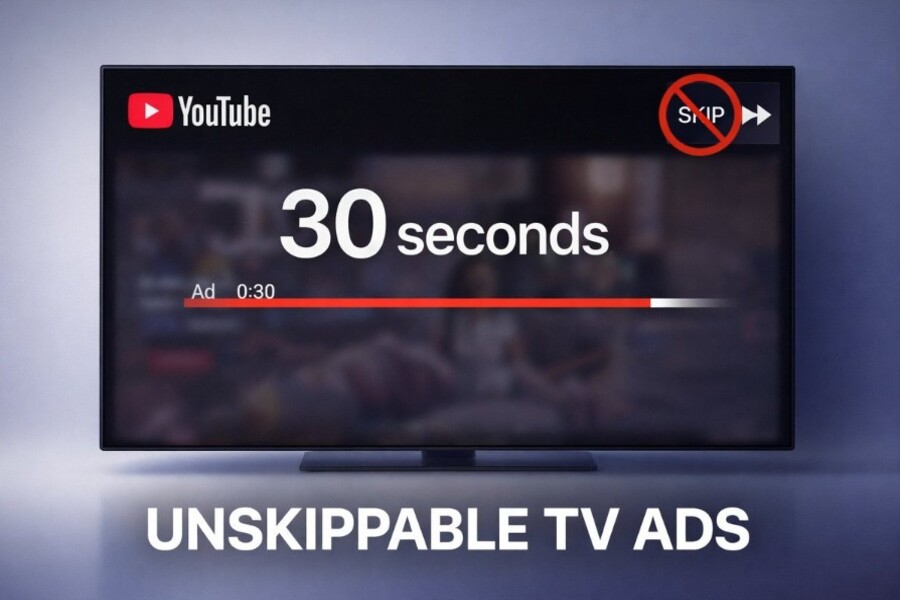
YouTube is rolling out unskippable 30-second ads on its TV platform. This could change users' familiar video viewing experience. Many are concerned that the number of ads will increase in the future.
1. YouTube and its ambition to dominate the video advertising market.
YouTube's growth over the past decade has profoundly transformed the media and advertising industries. When the platform launched in 2005, few could have predicted it would become one of the world's largest media channels. After being acquired by Google in 2006, YouTube rapidly expanded and became the most popular online video platform globally. Millions of videos are uploaded daily, and billions of views are recorded, creating a massive content ecosystem unmatched by any traditional television platform.
During its development, YouTube gradually built a business model based on advertising. Businesses can pay to promote their products or brands through video ads displayed before or during content that users watch. This benefits both sides: YouTube has a large revenue stream to sustain its operations, and content creators also share in the advertising profits. Thanks to this model, the platform has created a huge creative economy where millions of people can earn a living from producing content.
According to numerous financial reports, YouTube's advertising revenue has reached tens of billions of dollars annually and continues to grow strongly. Remarkably, this revenue even surpasses the combined advertising revenue of many traditional media corporations. This demonstrates a dramatic shift in how businesses spend their advertising budgets. Previously, television advertising dominated due to its ability to reach large audiences. However, with the development of the internet and mobile devices, more and more people are switching to watching videos online, causing advertising budgets to gradually shift towards digital platforms.

YouTube understands this trend very well and is constantly expanding its advertising ecosystem. By offering various ad formats, from short, few-second commercials to longer ones, the platform allows brands to choose the approach that best suits their marketing goals. The rollout of unskippable 30-second TV commercials is a further step in that strategy, aiming to attract large brands accustomed to traditional television advertising.
2. Unskippable 30-second ads
One of the biggest differences between YouTube ads and traditional television advertising is the ability to skip ads. For years, YouTube users have been accustomed to simply waiting a few seconds and pressing the "Skip" button to continue watching their desired video. This makes the video viewing experience more flexible and less interrupted than television.
However, with the unskippable 30-second ad format on TV, this experience has changed significantly. When watching YouTube on a TV screen, users may have to watch the entire ad before the main video begins. This makes many feel like they are watching commercials on traditional cable TV. However, this is exactly what YouTube is aiming for. As the platform becomes increasingly popular on smart TVs, they want to leverage the larger screen to display longer and more engaging ads.
From a brand's perspective, a 30-second advertisement is the ideal length to tell a complete brand story. Within this timeframe, businesses can introduce their products, build emotion, and make an impression on viewers. Longer advertisements are often more elaborately produced with compelling scripts, visuals, and music, allowing brands to convey their message more powerfully than short commercials lasting only a few seconds.
The return of long-form ads also shows that YouTube is gradually combining the traditional television advertising model with digital technology. Instead of showing the same ad to all viewers like television used to, YouTube can personalize ads based on user data. This makes advertising more effective and increases the likelihood of reaching the right target audience.
3. The role of artificial intelligence in advertising systems
A key factor in YouTube's new advertising strategy is artificial intelligence technology. For many years, Google has invested heavily in AI and used this technology to optimize its advertising system across its entire ecosystem. For YouTube, AI plays a central role in analyzing user behavior and selecting relevant advertisements.
When a person watches a video on YouTube, the AI system analyzes various factors such as viewing history, the types of content they frequently watch, the duration of video viewing, and even the device being used. Based on this data, the system can predict which types of ads are most likely to attract viewers. For example, if someone frequently watches videos about technology, they might see ads for phones or electronic devices. If they watch videos about travel, ads for travel services or hotels are more likely to appear.
In addition to selecting ad content, AI also helps determine ad length and display timing. In some cases, viewers might see two short ads in a row instead of one long ad. In other cases, the system might choose a 30-second ad to ensure the message is fully conveyed. This flexibility helps YouTube maximize ad effectiveness while maintaining an acceptable user experience.
Another advantage of YouTube advertising over traditional television is the ability to measure effectiveness. Advertisers can know exactly how many times their ads are viewed, whether viewers interact, and even whether they purchase a product after seeing the ad. This data helps businesses optimize their marketing campaigns and improve return on investment.
4. Strategies to encourage users to switch to paid services
Besides increasing advertising revenue, implementing long-form ads can also help YouTube encourage users to switch to paid services. In recent years, the platform has developed the YouTube Premium service, allowing users to watch videos without annoying ads. Additionally, this service offers many extra features such as downloading videos for offline viewing or playing videos in the background.
However, not everyone is willing to pay for this service when they can still watch videos for free. Therefore, increasing the frequency or length of ads might prompt users to consider upgrading to a Premium plan. When the free experience becomes less convenient, many people may find a monthly fee a reasonable option for a smoother video viewing experience.
This is a fairly common strategy in the tech industry. Many platforms offer a free version with ads and a paid, ad-free version. By tailoring the experience of the free version, companies can encourage users to switch to the paid version, thereby creating a stable and long-term revenue stream.
5. Impact on user experience
The appearance of long, unskippable advertisements will undoubtedly generate mixed reactions from users. Some may find it annoying to have to wait 30 seconds before watching their desired video. This is especially frustrating when viewers want to quickly watch a short video or are searching for specific information.
However, some people argue that advertising is unavoidable if they want to use a free service. They accept viewing ads as a way of "indirectly paying" to access free content. If the ads are designed attractively and match the viewer's interests, they can even become an enjoyable part of the video viewing experience.
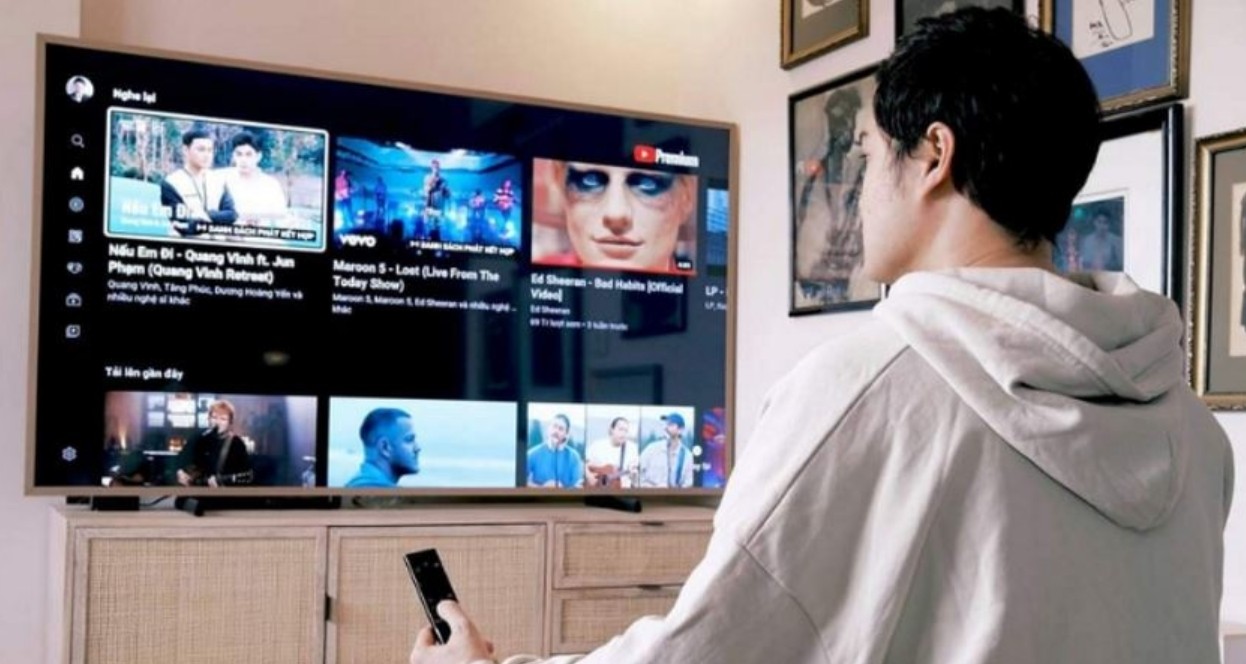
YouTube also has to balance business profits and user experience. If there are too many or too long ads, users may switch to other platforms. Therefore, the platform needs to use data and AI to optimize the number of ads so that it ensures revenue while not overwhelming users.
6. The future of video advertising
YouTube's shift in advertising strategy could signal the future of video advertising. As the lines between television and the internet blur, online platforms may continue to adopt advertising models similar to television. Viewers may become accustomed to longer commercials when watching content on larger screens.
In the future, video advertising could become more personalized thanks to data and artificial intelligence. Instead of showing the same ad to everyone, the system could display different ads to each viewer based on their interests and behavior. This would increase advertising effectiveness and reduce the feeling of being bothered.
Additionally, new ad formats such as interactive ads, ads that appear when videos are paused, or ads integrated directly into content may become more popular. These forms can help make ads more natural and less disruptive to the viewer's experience.
Advertising will continue to be a crucial revenue source that sustains platforms and supports the content creation ecosystem. Viewers may have to get used to seeing more ads when watching free videos, or choose to pay for an ad-free experience. Either way, it's clear that advertising will continue to play a central role in the business model of online video platforms in the future.


















VIP Products




Best Selling Products
Upgrade Duolingo Super
29 USD
Capcut Pro 1 Year
39 USD
MidJourney Account
29 USD
Autodesk All App Account Copyright
120 USD
Plugin Retouch4me
69 USD
Freepik Premium Account
59 USD
Copyright Adobe Lightroom Account
59 USD
Upgrade genuine Capture One account
120 USD
Genuine Cheap Canva Pro
39 USD
Adobe Premiere Pro Account
99 USD
ChatGPT Plus Account (GPT-4)
16 USD
Upgrade Genuine Office 365
49 USD
Adobe Photoshop Copyright - Full App
120 USD
Windows 10 & 11 Pro Key
36 USD
Genuine Adobe Illustrator account
99 USD